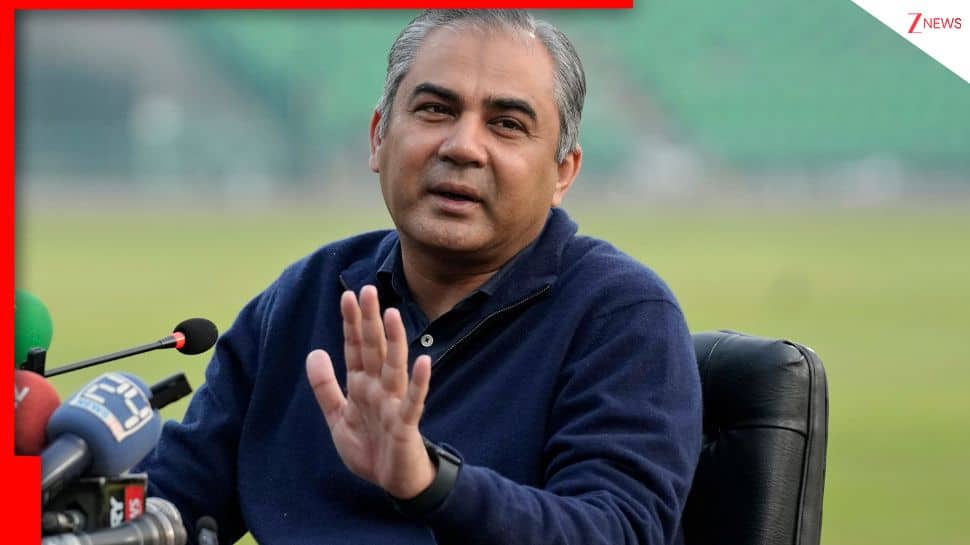
Cricket between India and Pakistan has always existed beyond the boundary ropes, shaped as much by geopolitics as by on-field rivalry. The latest flashpoint is India’s firm “no-handshake” policy against Pakistan, a stance that has now drawn a blunt and carefully calibrated response from Pakistan Cricket Board chief Mohsin Naqvi. Speaking in Lahore, Naqvi made it clear that Pakistan will neither contest nor compel gestures of sportsmanship, choosing instead to mirror India’s approach and compete strictly on equal footing.
Also Read: Virat Kohli Records In 2025: Every Milestone From Champions Trophy Glory To IPL History
The Origin of India’s No-Handshake Stance
The policy traces back to the Asia Cup in September, when the Indian men’s team, followed by the women’s and junior sides, refused to shake hands with Pakistani players. The decision was framed as a symbolic gesture of solidarity with the victims of the Pahalgam terror attack, which claimed the lives of 26 Indian tourists earlier this year. Since then, the stance has remained consistent across tournaments, including the U19 Asia Cup and the Rising Stars Asia Cup in Doha.
While the move has drawn mixed reactions, the Board of Control for Cricket in India has shown no sign of reconsideration, even after quiet nudges from the ICC urging restraint, particularly at junior levels.
Mohsin Naqvi’s Blunt Yet Measured Response
Naqvi’s comments cut through speculation. The PCB chief stated that Pakistan has no intention of forcing symbolic gestures if India chooses otherwise. His message was simple. If India does not wish to shake hands, Pakistan has no desire to insist on it either. According to Naqvi, any engagement with India will happen strictly on equal terms.
Importantly, Naqvi reiterated that Pakistan’s official stance has always been to keep cricket and politics separate. He revealed that even Pakistan’s Prime Minister had personally advised against politicising the sport. Yet, in the current climate, Naqvi acknowledged that realities cannot be ignored and responses must reflect parity, not appeasement.
Spirit of Cricket Versus Political Reality
The episode has reignited debate around the Spirit of Cricket. Former Pakistan captain and U19 mentor Sarfaraz Ahmed went as far as calling India’s actions unethical during the Asia Cup final. Those remarks briefly raised the possibility of the PCB approaching the ICC, although Naqvi has since signaled restraint rather than escalation.
For global cricket administrators, the situation underscores a growing challenge. Symbolic acts, once seen as routine, now carry political weight. The ICC’s hands-off approach, leaving the final call to national boards, reflects the delicate balance the sport is struggling to maintain.
What This Means for Future India-Pakistan Matches
Naqvi’s statement effectively closes the door on public back-and-forth. Pakistan will not push for handshakes, nor will it soften its stance to appear conciliatory. Matches will go on, rivalries will intensify, but formal gestures may remain absent as long as tensions persist.
From a competitive standpoint, nothing changes. From a symbolic one, everything does. The absence of a handshake has become a quiet but powerful signal, watched closely by fans, administrators, and diplomats alike.