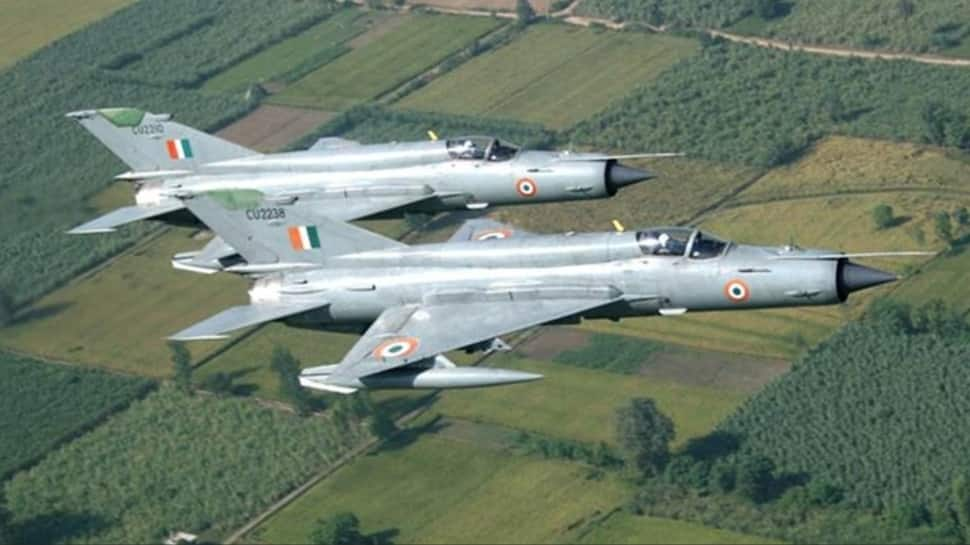
The Mikoyan-Gurevich MiG-21, the Cold War's defining fighter aircraft and the workhorse for air forces on four continents, sits today at a complicated juncture, its legendary status now inextricably linked with a heartbreaking safety record.
With more than 11,000 units produced since its launch, the MiG-21 maintained the record-breaking world record for the largest production run of a supersonic jet fighter in the world. Produced every year from 1959 to 1985 (and by China as the J-7/F-7 afterward), the jet has been sold to more than 60 countries and is still in limited service seven decades after its first flight.
A Revolutionary Design
Nicknamed the "Tailed Delta" for its characteristic triangular wing and traditional tailplane, the MiG-21 was a groundbreaking Soviet design. It was the first aircraft in the Soviet Union that could fly at Mach 2 (double the speed of sound).
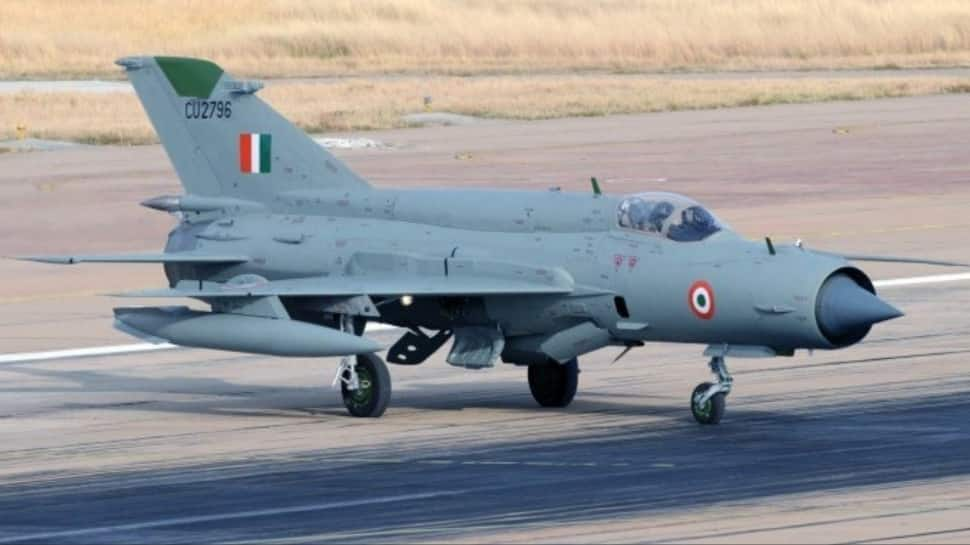
Its fast-flight performance was facilitated by an innovative design element: an adjustable "shock cone" inside its nose-mounted engine air intake. The cone changes its position automatically to effectively slow incoming air from supersonic velocities. In combat, its lightness, maneuverability earned it the nickname of a "tough street brawler" when compared to larger Western counterparts such as the F-4 Phantom II.
A Combat Record Of Triumph And Controversy
The combat history of the jet included a highly publicised 2019 air battle in which an upgraded Indian Air Force (IAF) MiG-21 Bison, flown by Wing Commander Abhinandan Varthaman, was assigned to have downed a Pakistani F-16 fighter aircraft—a testament to how well an aircraft as old as it is can hold its own against much newer 4th-generation fighters.
But the MiG-21's extended service life, especially in the Indian Air Force, has been tarnished by a catastrophic safety emergency.
Because of a high incidence of operational losses, the plane has earned the somber nicknames "Flying Coffin" and "Widow Maker."
The MiG-21's history is an intriguing case study in aerial history—a humble, potent design that was turned into a worldwide workhorse and left behind an intricate legacy of unmatched success in the air and deep tragedy at the end of its days.
ALSO READ | How Will Trump's 100% Pharma Tariff Reshape The Indian Drug Export Market? Explained