The recent arrests of two Kashmiri doctors, Dr. Adeel Ahmad Rather and Dr. Muzammil Shakeel, have shed light on how terrorist organisations are increasingly targeting educated professionals for recruitment. Both doctors, previously associated with the Government Medical College (GMC) in Anantnag, were later working in hospitals in Saharanpur and Faridabad, where they were arrested in connection with an inter-state terror module linked to Jaish-e-Mohammed (JeM) and Ansar Ghazwat-ul-Hind (AGuH).
According to officials, the doctors were not related, nor did they attend the same educational institutions, but their social media activity revealed a pattern of radical thinking. Their professional backgrounds allegedly provided a cover for facilitating terror operations. Police sources described Dr. Adeel as a key operative, while Dr. Muzammil remains under investigation for his suspected role.
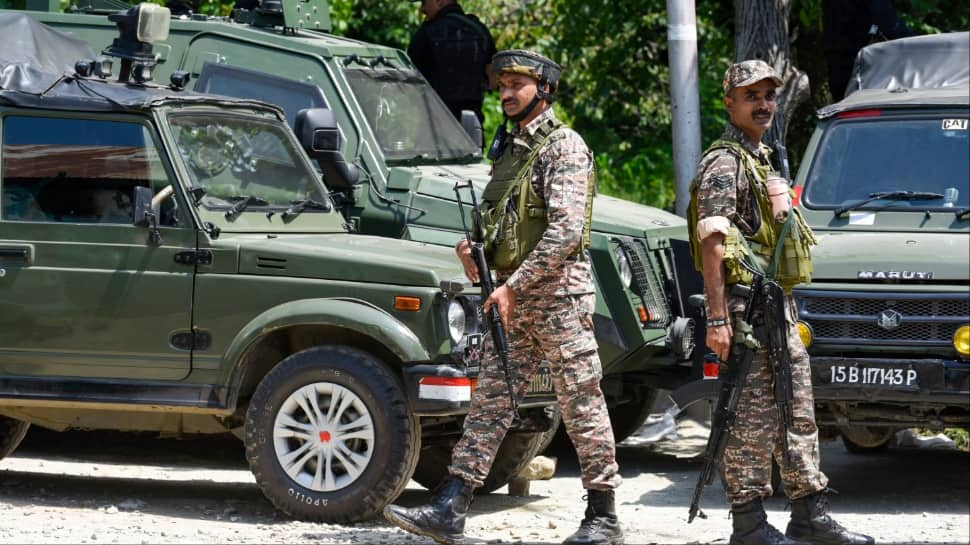
The police operation that led to their arrests also uncovered a major cache of arms and explosives, including 2 AK-series rifles and nearly 2,900 kg of explosives, signalling a large-scale plot with potential interstate ramifications. Investigators believe that their handlers used drones from Pakistan to drop weapons and ammunition across the border in RS Pura, Kathua, and Hanumangarh (Rajasthan).
Radicalisation And Recruitment Of Professionals
Security officials suggest that ideological radicalisation from across the border was the primary driver behind the doctors’ involvement. The phenomenon is not linked to the medical profession itself but to individuals susceptible to extremist ideologies and online recruitment.
Terror outfits actively recruit professionals, including doctors, engineers, and IT experts, using sophisticated propaganda that appeals to both ideological conviction and professional skill. Their radicalisation is often fuelled by perceived Western foreign policies in the Middle East, which are exploited by extremist groups to draw sympathisers.
Why Doctors Are Targeted
Terror groups value doctors for several strategic and practical reasons:
Their knowledge of chemistry, biology, and anatomy can be exploited to create chemical weapons or improvised explosive devices (IEDs), or to provide medical assistance during operations.
They have access to medical supplies, chemicals, and secure facilities, which can be used to conceal or support terror activities.
Their professional status lends credibility and allows easier mobility, often helping them evade suspicion.
This pattern is not new. Past incidents, such as the 2007 London and Glasgow car bomb plots, where several suspects were medical professionals, have demonstrated that extremists often recruit doctors to blend into society while contributing their technical expertise. Even Ayman al-Zawahiri, the late leader of Al-Qaeda, was a surgeon by profession.
Groups like ISIS have used the participation of educated doctors in propaganda campaigns to showcase their so-called “state-of-the-art facilities” and attract more foreign recruits, particularly health professionals.
Authorities believe that the arrests of Dr. Adeel and Dr. Muzammil mark only the beginning of a deeper investigation into a network of educated radicals exploiting their professional skills to further terror objectives. The case underscores how cross-border radicalisation and online extremism continue to pose grave security challenges in the region.