Have you ever wondered why most modern fighter jets have just one seat instead of two? It's actually a fascinating shift in aviation technology that's reshaping how we think about aerial combat. Let me break down why this change is happening and what it means for the future of air defense. Not too long ago, having two pilots in a fighter jet seemed absolutely necessary. Classic two-seater military aircraft like the F-15E Strike Eagle, Sukhoi Su-30MKI, and the legendary McDonnell Douglas F-4 Phantom II dominated the skies for good reason. One person would fly while the other managed the complex radar systems, navigation, and weapon controls. Training aircraft like the Northrop T-38 Talon still use this two-seater setup because instructors need to sit alongside new pilots. For long-range missions, having a second pilot made perfect sense too – they could share the workload and take turns when things got exhausting. But here's where things get interesting.
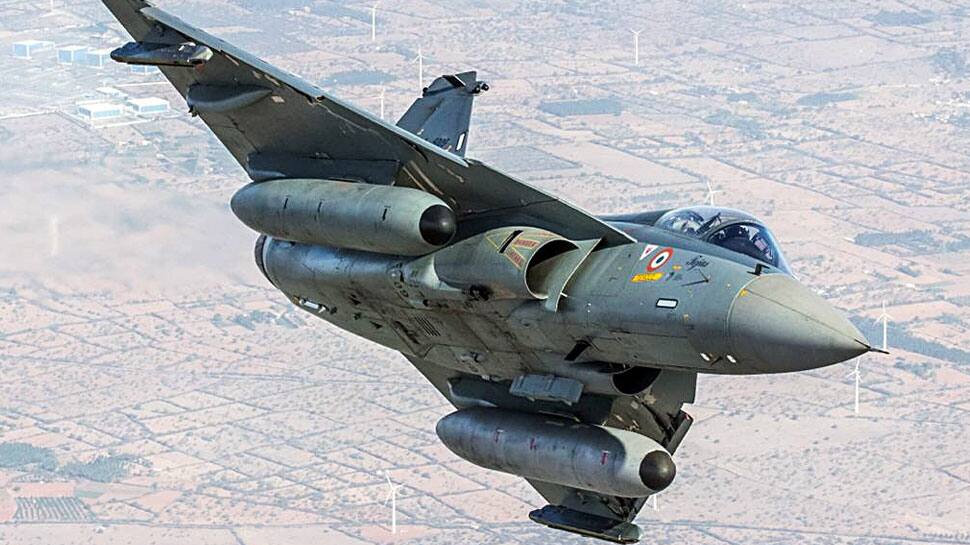
Technology has completely transformed the cockpit. Modern fighter jets like the F-35 family – which includes the F-35A, F-35B, and F-35C variants – are all single-seaters. Why? Because artificial intelligence and advanced computer systems now handle much of what a second pilot used to do. The cockpit is packed with smart systems that reduce the pilot's mental strain, and most critical data automatically transmits to ground stations without any human input needed. It's like having an invisible co-pilot made of software rather than flesh and blood.
There are serious practical advantages to going solo too. Single-seat aircraft are lighter, which means they can fly farther, carry more weapons, and turn more sharply in combat. Maintenance becomes simpler when you're only dealing with one cockpit's worth of instruments. From a strategic perspective, losing one pilot in combat is tragic enough – losing two in a single aircraft would be devastating for any air force.
Russia's Su-57 is exploring a two-seater option, but mainly for specialised missions like controlling drones remotely. France's Rafale offers both single and twin-seat versions depending on whether it's for land or naval operations. However, the global trend is crystal clear – we're moving toward single-pilot fighters equipped with extraordinary technology that might eventually lead to remotely piloted or even fully autonomous combat aircraft. So what's your take? Would you trust a single pilot with AI assistance, or does having two human brains in the cockpit still sound safer to you?
(Girish Linganna is an award-winning science communicator and a Defence, Aerospace & Geopolitical Analyst. He is the Managing Director of ADD Engineering Components India Pvt. Ltd., a subsidiary of ADD Engineering GmbH, Germany. The views expressed in the article are those of the author.)