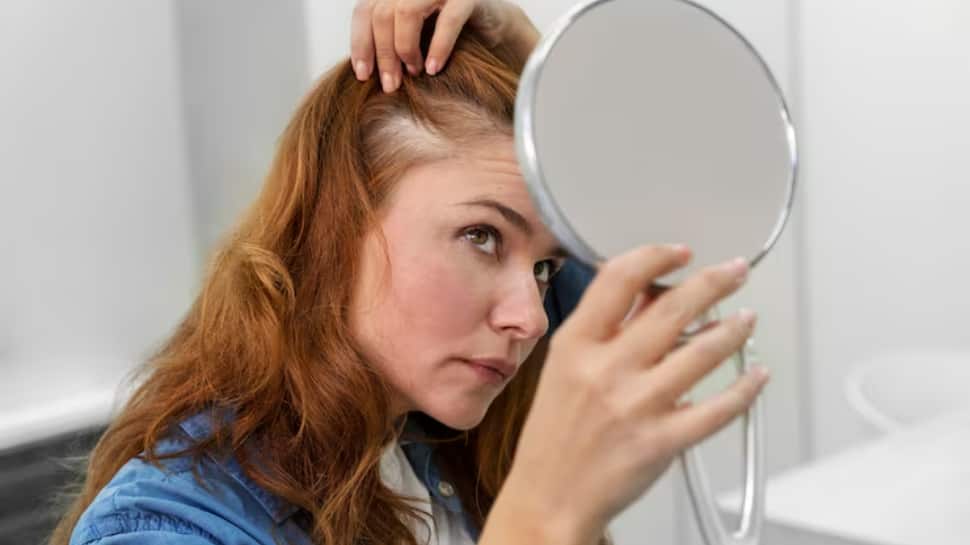
Hair loss is one of the most common concerns affecting both men and women worldwide. While stress, hormonal imbalance, and genetics play a role, nutritional deficiencies are often the hidden culprits. Your hair follicles need essential vitamins and minerals to stay strong, promote growth, and prevent thinning. A lack of these nutrients can weaken the scalp, trigger breakage, and lead to excessive hair fall.
Below are 8 vitamin deficiencies that are directly linked to hair loss and how you can fix them through diet and lifestyle:-
1. Vitamin D Deficiency
Vitamin D plays a major role in creating new hair follicles. A deficiency can slow down growth and is often associated with alopecia (patchy hair loss).
Sources: Sunlight exposure, fortified dairy, fatty fish, and mushrooms.
2. Vitamin B12 Deficiency
Vitamin B12 helps in red blood cell production, which ensures oxygen and nutrients reach the scalp. A deficiency can lead to thinning hair and fatigue.
Sources: Dairy, eggs, fortified cereals, and nutritional yeast (for vegetarians).
3. Biotin (Vitamin B7) Deficiency
Biotin is one of the most well-known vitamins for hair growth. Lack of biotin can cause brittle hair, breakage, and scalp issues.
Sources: Nuts, seeds, sweet potatoes, spinach, and whole grains.
4. Vitamin A Deficiency
Vitamin A helps produce sebum, the natural oil that keeps your scalp healthy. Too little can cause dry scalp and hair shedding, but too much Vitamin A can also trigger hair loss.
Sources: Carrots, pumpkin, sweet potatoes, spinach, and kale.
5. Vitamin C Deficiency
Vitamin C is essential for collagen production, which strengthens hair strands. It also helps absorb iron, another critical nutrient for hair health.
Sources: Citrus fruits, strawberries, kiwi, bell peppers, and broccoli.
(Also Read: Top 10 Natural Indian Remedies To Stop Hair Fall And Promote Fast Hair Regrowth)
6. Vitamin E Deficiency
Vitamin E is a powerful antioxidant that improves blood circulation in the scalp and protects hair follicles from oxidative stress.
Sources: Almonds, sunflower seeds, avocados, and spinach.
7. Iron Deficiency (Anemia)
Though not a vitamin, iron is crucial for carrying oxygen to the hair roots. Iron deficiency is one of the leading causes of hair loss, especially in women.
Sources: Lentils, spinach, pumpkin seeds, quinoa, and fortified cereals.
8. Zinc Deficiency
Zinc supports hair tissue growth and repair. Without enough zinc, the scalp may become dry, and hair follicles may weaken.
Sources: Chickpeas, nuts, pumpkin seeds, and whole grains.
If you’re experiencing hair loss, it’s important to check for underlying nutritional deficiencies rather than only relying on external hair products. A well-balanced diet rich in these essential vitamins and minerals can naturally restore hair health, prevent thinning, and promote stronger growth. In severe cases, consult a healthcare professional for supplements.
(This article is meant for informational purposes only and must not be considered a substitute for advice provided by qualified medical professionals.)