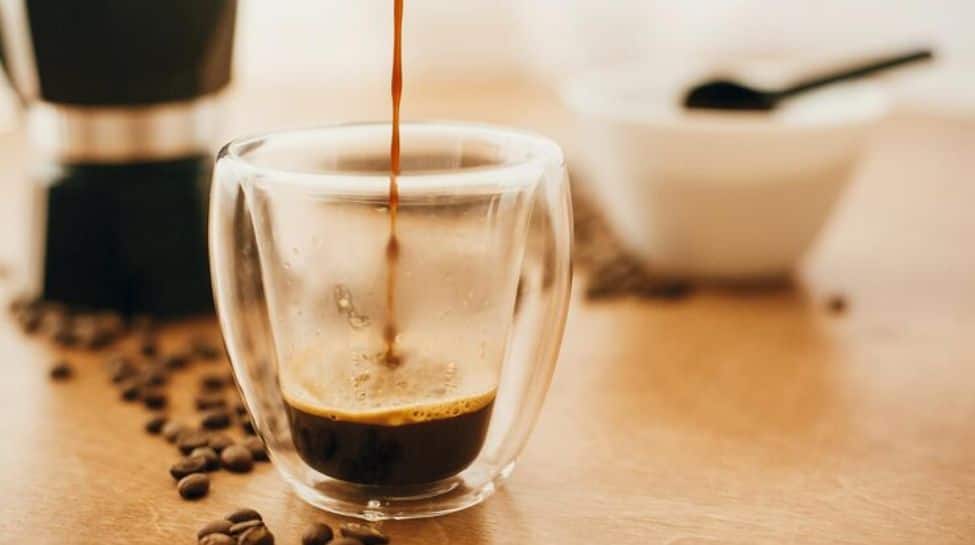
For many, coffee is more than just a drink—it’s a daily ritual, a source of comfort, and even a productivity booster. But for individuals sensitive to caffeine, the beloved beverage can bring unwanted side effects like anxiety, insomnia, rapid heartbeat, or digestive discomfort. Thankfully, decaf coffee offers an excellent alternative that delivers the familiar aroma and taste of coffee without the stimulating effects of caffeine.
Understanding Caffeine Sensitivity
Caffeine sensitivity varies from person to person. While some can consume multiple cups of strong coffee without feeling jittery, others may experience restlessness or headaches after just one cup. Genetics, age, medical conditions, and certain medications can influence how one’s body processes caffeine. For those who notice negative physical or mental effects after consuming regular coffee, switching to decaf may be a wise and welcome change.
Vikas Aggarwal, Coffee Toatler, Founder shares why decaf coffee is a good choice for those sensitive to caffeine.
What is Decaf Coffee?
Decaffeinated coffee is made by removing at least 97% of the caffeine from regular coffee beans. This process can be done through several methods—most commonly using water, organic solvents, or carbon dioxide. While the caffeine content is significantly reduced, the final product still retains much of the original flavor, making it a viable alternative for those who wish to avoid the buzz but not the brew.
Health Benefits of Decaf
Contrary to the common assumption that decaf lacks the health benefits of regular coffee, research shows that it still retains many essential antioxidants and nutrients found in regular coffee. Decaf contains chlorogenic acid and other polyphenols that support heart health, reduce inflammation, and may even lower the risk of certain chronic diseases such as type 2 diabetes and some cancers.
For people prone to anxiety or heart palpitations triggered by caffeine, decaf can help enjoy coffee’s psychological comfort without contributing to stress or panic. It’s also easier on the stomach for individuals with acid reflux or sensitive digestion, as caffeine can sometimes exacerbate these conditions.
A Sleep-Friendly Alternative
Caffeine has a well-known impact on sleep quality and duration. Even moderate consumption in the afternoon can disrupt sleep patterns or delay the onset of sleep. This is particularly relevant for those with insomnia or other sleep disorders. Decaf coffee provides a relaxing alternative that can be enjoyed in the evening or late afternoon without compromising a good night’s rest.
Taste Without the Trouble
Thanks to advancements in decaffeination methods and roasting techniques, modern decaf coffee offers better flavor and aroma than ever before. Specialty coffee brands now offer high-quality decaf options, ensuring that even the most discerning coffee drinker can find a decaf roast that satisfies their palate.
A Balanced Lifestyle Choice
Ultimately, switching to decaf doesn’t mean giving up the coffee culture or the joy of savoring your morning cup. It’s about making mindful choices that support your health, comfort, and personal preferences. For those who are caffeine-sensitive, decaf coffee strikes a perfect balance—providing the ritual without the repercussions.
In a world where wellness is becoming more personalized, decaf coffee is gaining popularity as a thoughtful, health-conscious choice. Whether you’re managing a medical condition, improving sleep, or simply seeking a gentler alternative, decaf lets you enjoy coffee on your own terms.
Dr. Monal Velangi, Sr. Dietitian, Dept of Nutrition and Dietetics, K J Somaiya Medical College and Research Centre shares insights on how decaf coffee is a good choice for those sensitive to caffeine.
Coffee is amongst the top 5 beverages frequently consumed beverages across the globe. In India, especially South India is known for its coffee production and consumption. Coffee is one of the go to beverages forming a part of daily diet routine. With rising cafe culture, coffee consumption is also increasing. Variety of choices available in the market – instant, filtered, brewed, frappe, black, decaffeinated etc.
Caffeine content is most talked about topic in terms of the amount, an impact on physical and mental health functions. One must not forget to factor in individual sensitivity to caffeine from coffee. However, in regular life we see individuals being sensitive to caffeine, who need alternatives with low caffeine content. While some people have many cups frequently throughout the day, and wish to limit their caffeine intake. In such cases, Decaf coffee is an alternative which has less caffeine but tastes similar to coffee.
Similar to coffee research, decaf coffee has also shown positive health benefits. Decaf coffee retains many of the antioxidants found in regular coffee. Scientific evidence states positive health benefits of decaf coffee for neural, brain health and sleep rhythm, digestive and gut health, and polyphenols provide antioxidant benefits, reduce inflammation. This in turn helps in reducing diseases risk such as diabetes with blood glucose control, liver diseases - chronic liver disease and fatty liver, cancer, cardiovascular diseases, neurological issues as discussed further.
Decaf coffee also contains antioxidants such as polyphenols - caffeic acid and chlorogenic acids, have anti-inflammatory and antioxidant properties, which reduces the risk for diseases (Ramli et al., 2021). Scientific evidence showed interesting findings, an article from AJCN; decaffeinated coffee consumption would not cause weight gain provided it is without additional sugar (Henn et al., 2023).
Meta-analysis in Diabetes Care (Ding et al., 2014) showed a positive association of decaffeinated coffee with reduction of type 2 Diabetes and blood glucose control. Recently, a 2025 Meta-analysis by Zhang et al., in Annals of Oncology also revealed that decaffeinated coffee intake was not associated with total cancer risk. A NANHES Survey (2011-2014) did not find any association between decaffeinated coffee intake and cognitive abilities in older adults, with weak evidence on its role in Alzheimers disease. Nevertheless, decaffeinated coffee was found to be potential in reducing the risk of all cause death in cardiovascular diseases ( Zheng et al., 2022).
Yet, we all face the question of how to make choices in relation to coffee and decaf coffee? Moderation is the key. Limit to 2-3 cups of coffee per day including decaf coffee, do not go overboard. Excess consumption can have adverse effects and appetite issues, impact some mineral absorption