In today’s rapidly evolving work environment, conversations around diversity, equity and inclusion (DEI) are no longer confined to HR departments; they are being echoed across boardrooms, policy frameworks and increasingly, in the realm of spatial design. The role of design as a powerful tool for fostering diversity is gaining prominence, not just in theory but in practice.
Design has the unique ability to shape behavior, influence interactions and subtly communicate values. In inclusive workplaces, thoughtful design doesn’t merely accommodate differences, it celebrates them. From the floor plan to the furniture, from signage to lighting, every element of space design can contribute to building environments where individuals of all backgrounds, abilities and identities feel seen, heard and valued.
Kunal Sharma, Founder & CEO, Flipspaces says, "One of the most evident ways design supports diversity is through universal accessibility. Inclusive design prioritizes ease of navigation for everyone, whether it's ensuring wheelchair access, providing adjustable desks or integrating visual and auditory cues for those with sensory impairments. But beyond physical access, design can foster psychological safety which is a core tenet of inclusive workspaces."
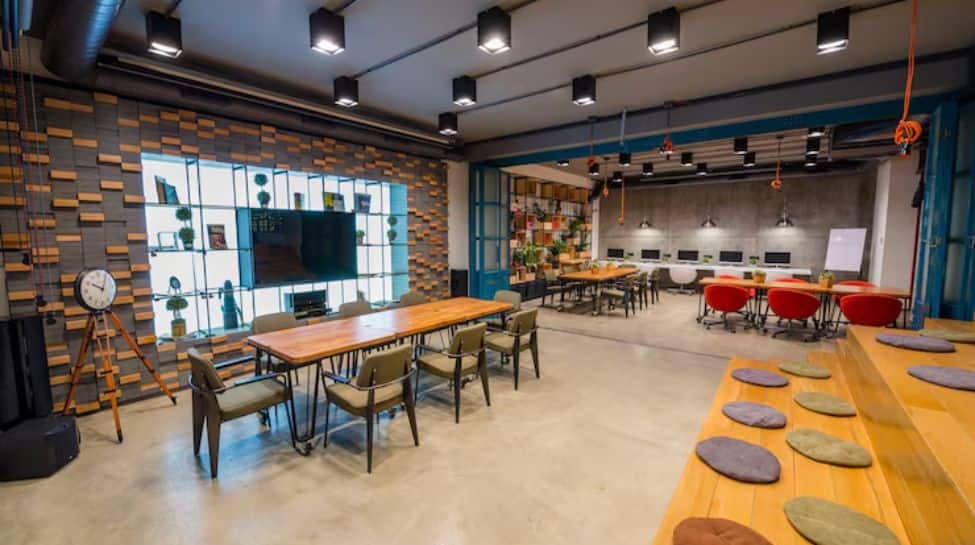
For example, creating a mix of private focus pods, quiet rooms and collaborative zones gives employees the autonomy to choose how they work best. Neurodiverse individuals, who may struggle in open-plan environments, benefit immensely from such choice-driven layouts. Similarly, incorporating non-gendered restrooms, wellness rooms and parenting spaces speaks volumes about a company’s commitment to supporting diverse employee needs.
Workplace design is also evolving to reflect cultural diversity. Elements like art, color palettes and architectural motifs inspired by a multitude of traditions can infuse authenticity into the environment and signal a brand’s global, inclusive outlook. Even simple gestures such as celebrating multilingual signage or showcasing stories of diverse employees on the walls can create a sense of belonging that extends beyond policy.
Moreover, in a hybrid and remote-enabled world, the conversation around inclusion has expanded to encompass digital workspaces. Tools such as virtual collaboration platforms and immersive walkthroughs must be designed with the same inclusive principles, ensuring legibility, clarity and user-friendliness for everyone.
Design, when done thoughtfully, becomes a silent yet powerful ally of diversity. It influences who feels welcome, who feels safe to speak up and who feels like they belong. As organizations strive to build more equitable cultures, embedding diversity into the very blueprint of their spaces is not just a design trend; it’s a business imperative.
By designing with empathy and inclusion at the core, we’re not just creating offices, we’re shaping experiences that honor the full spectrum of human identity.
Abhay Chawla, Co-Founder & COO, India Accelerator, IA Spaces also shares, "Design is emerging as one of the most powerful enablers of inclusion. Beyond visual appeal, the way spaces are planned and shaped influences whether people feel a sense of belonging, safety, and empowerment. Diversity may bring people together, but thoughtful design ensures that their contributions are acknowledged and amplified."
As a diversity tool, design translates empathy into experience. Accessibility, flexibility, and cultural sensitivity are not add-ons but critical foundations. Something as subtle as the layout of a workspace, the presence of quiet zones, or the integration of collaborative hubs can dismantle barriers and enable participation across a wide spectrum of people.
The future of design lies in shaping environments that value individuality while enabling shared purpose. Spaces must not only function effectively but also nurture equity and belonging. This requires design to move from being an art of structure to becoming a medium of social impact, one that engineers belonging, empowers collaboration, and strengthens the very fabric of diverse communities. In this context, design is not just about physical environments; it is about creating ecosystems where every person feels seen, valued, and part of something larger.