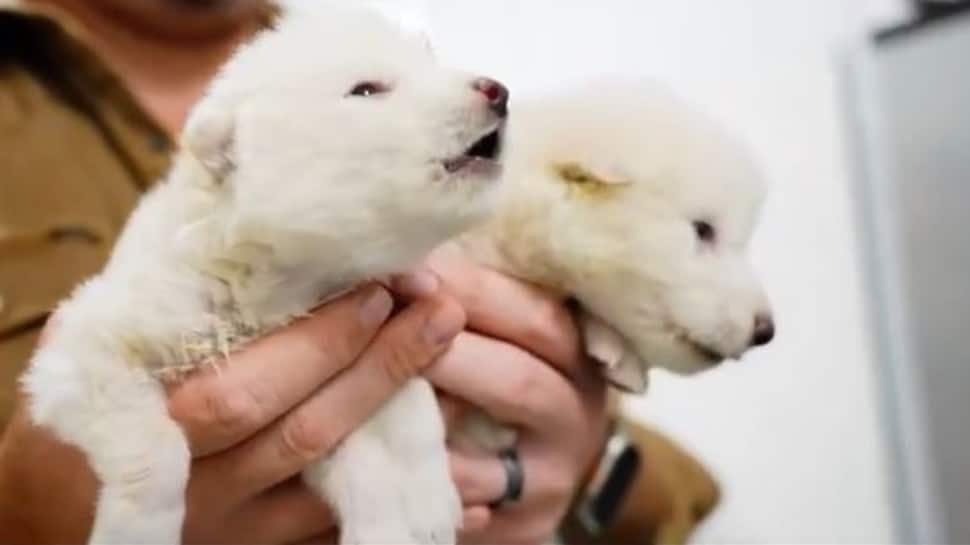
Dire Wolf brought back to Life: In a groundbreaking achievement that combines ancient history and modern science, scientists at Colossal Biosciences have brought back to life the dire wolf (Aenocyon dirus), an apex predator that had gone extinct more than 10,000 years ago. The feat is the first-ever de-extinction of a species in the world and paves the way for new conservation science.
Resurrecting The Dire Wolf
The achievement was enabled by cutting-edge genomic research, CRISPR gene editing, and a novel cloning technique. Researchers recovered viable DNA from two rare dire wolf fossils: a 13,000-year-old tooth discovered in Ohio and a 72,000-year-old skull found in Idaho. These samples were remarkably well-preserved relative to those from sites such as the La Brea Tar Pits, where asphalt often degrades DNA.
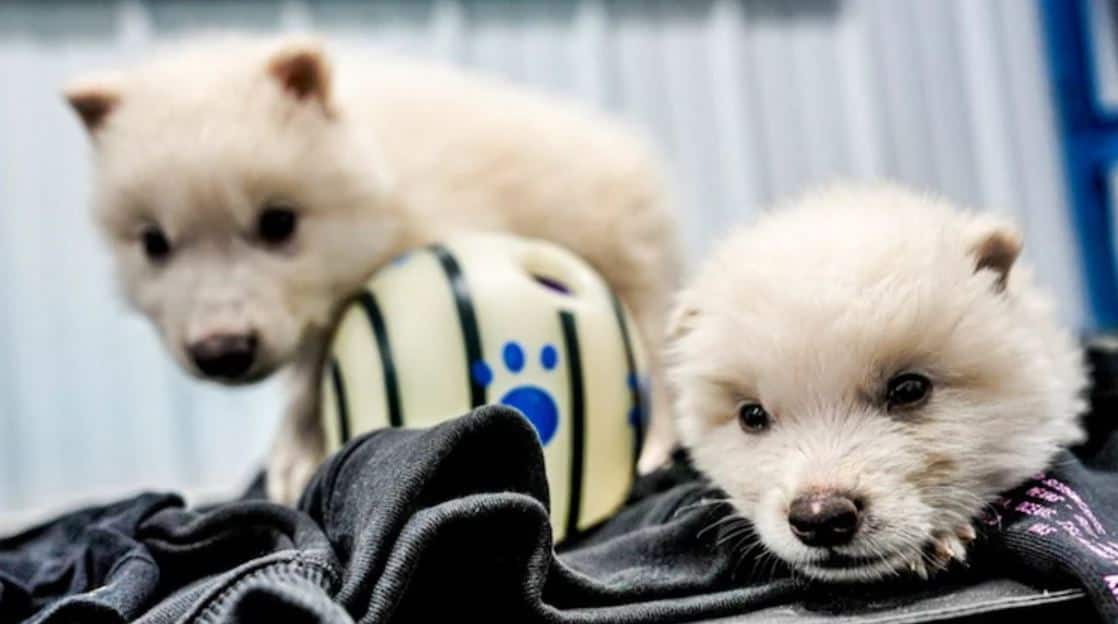
How Scientists Brought a 10,000-Year-Old Predator Back from Extinction
Using modern techniques, Colossal’s team generated an unprecedented 12.8-fold genome coverage—70 times more than in previous studies. They discovered that while dire wolves share 99.5% of their DNA with modern gray wolves, they genetically diverged over 5.7 million years ago, making them a distinct lineage with unique traits.
Key genetic variants were pinpointed across 14 critical genes, responsible for the dire wolf’s massive build, muscular frame, and signature white coat. Notably, the LCORL gene, associated with body size, and pigmentation genes like MC1R and MFSD12 were edited to reproduce the dire wolf’s physical characteristics without causing adverse effects seen in modern wolves.
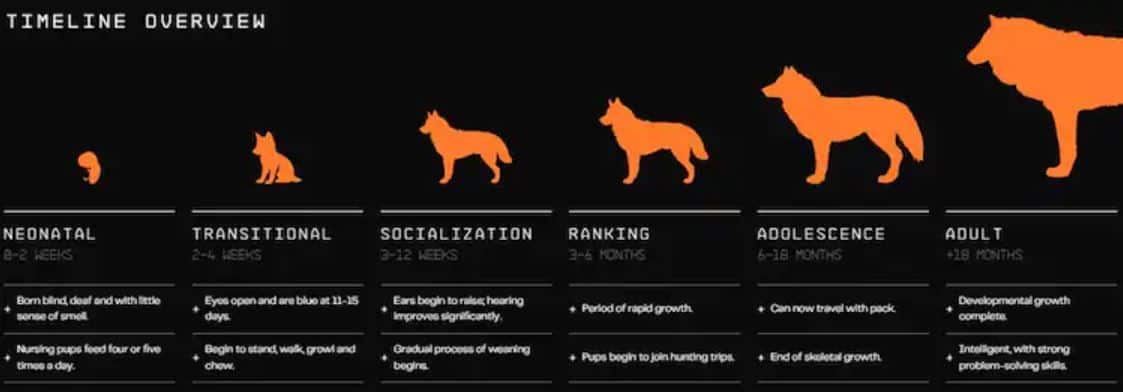
Scientists used a Novel Cloning Approach
To bring the species back to life, scientists used a novel cloning approach involving endothelial progenitor cells (EPCs) derived from gray wolf blood. These cells were edited with the dire wolf DNA, then inserted into denucleated gray wolf eggs. The embryos were implanted into domestic dog surrogates, resulting in three genetically accurate dire wolf pups named Romulus, Remus, and Khaleesi.
Watch the little pups' first howl here:
The first dire wolf howl in over 10,000 years pic.twitter.com/Z4PSKdjzYI
— Nature is Amazing (@AMAZlNGNATURE) April 7, 2025
Importantly, the team carefully selected gray wolf specimens with minimal domestic dog ancestry to avoid unwanted hybrid traits. This ensured a purer, more authentic genetic replication of the original dire wolf.
According to Colossal CEO Ben Lamm, this is “just the beginning” of synthetic biology’s role in ecological restoration. The project demonstrates how ancient DNA sequencing, multiplex gene editing, and EPC-based cloning could help reverse biodiversity loss and possibly revive other extinct or endangered species in the near future.