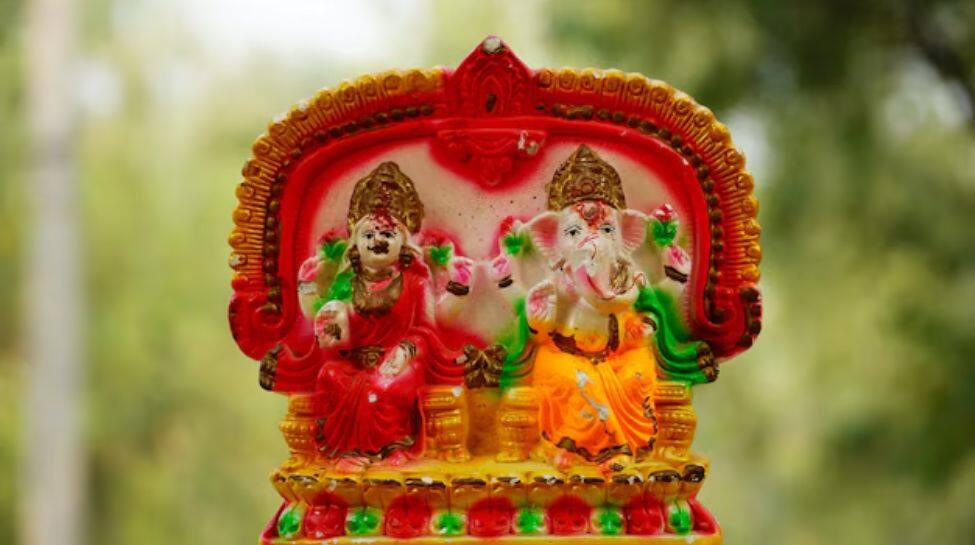
Diwali, the festival of lights, is a time of joy, spiritual renewal, and devotion. During this festival, households across India and the world worship Goddess Lakshmi, Lord Ganesha, and other deities using beautifully crafted idols. But once the celebrations wind down, many are left wondering: What should be done with the old or used idols?
Here’s a guide to help you respectfully and sustainably handle idols after Diwali 2025, while staying true to tradition and mindful of the environment.
1. Understand the Cultural Significance
In Hindu tradition, idols are not just decorative—they're sacred representations of deities. Once they are worshipped (pran pratishtha), they are treated with deep reverence. After the festival, if an idol is no longer to be used (due to wear, damage, or replacement), it must be respectfully decommissioned (visarjan or immersion) or repurposed thoughtfully.
2. Avoid Disrespectful Disposal
Throwing idols into the trash or leaving them in public places is deeply disrespectful and environmentally harmful. Unfortunately, this practice is still seen in urban areas after Diwali and Ganesh Chaturthi. Avoid this at all costs.
3. Eco-Friendly Visarjan (Immersion)
If you plan to part with an idol:
Traditional Way: Immersion in a river or natural water body is customary but contributes to water pollution if the idol is made of plaster of Paris or painted with toxic colors.
Better Alternative: Perform symbolic immersion in a bucket of clean water at home. After the idol dissolves or is respectfully cleaned, pour the water into plants or a garden.
Many cities in 2025 are also offering designated eco-friendly visarjan tanks — check with your local municipal corporation for options.
4. Donate or Reuse If the Idol Is Intact
If your idol is still in good condition:
Donate: Temples, NGOs, or schools might accept gently used idols for educational or religious use.
Community Centers: Local community halls or spiritual groups often reuse them for group prayers or educational displays.
Pass It On: Consider passing it to a family member or someone who cannot afford a new idol.
5. Store the Idol for Future Use
Many people now choose permanent idols made of brass, marble, or wood. These can be reused every year with proper cleaning and care. If you prefer this route:
Wrap the idol in a clean cloth and store it in a designated, respectful place.
Avoid storing it in cluttered or impure areas like closets with shoes or bathrooms nearby.
6. Recycle Damaged Idols Responsibly
If an idol is damaged beyond repair:
Clay idols: Can be dissolved in water and the soil used for planting.
Metal idols: Can be given to metal recycling centers or temples that accept damaged items for proper melting and reuse.
Wooden idols: Can be burned in a sacred fire (havan) as part of a respectful ritual, depending on local customs.
7. Educate and Encourage Sustainable Practices
In 2025, sustainability is more than a trend—it’s a responsibility. Encourage your family and neighbors to:
Buy eco-friendly idols made from natural clay or biodegradable materials.
Choose paints free of chemicals and heavy metals.
Learn and share the proper ways of visarjan that align with both spiritual beliefs and environmental consciousness.
(This article is intended for your general information only. Zee News does not vouch for its accuracy or reliability.)