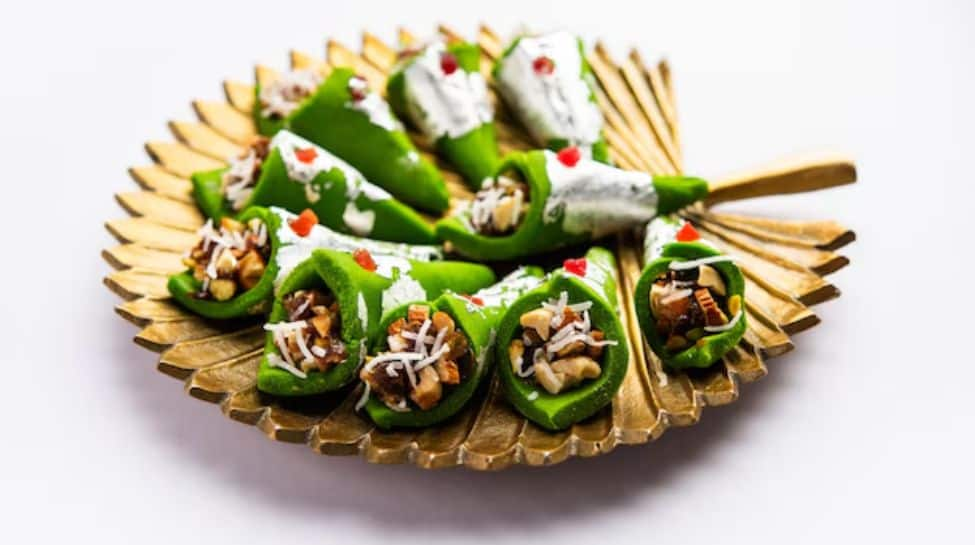
Chewing paan—a preparation made from betel leaf, areca nut, and sometimes tobacco or sweet condiments—has been a tradition in many South Asian cultures for centuries. Particularly after meals, it is often served as a mouth freshener and digestive aid. But how helpful is this age-old practice? Let’s explore the pros, cons, and scientific perspectives on chewing paan post-meal.
The Traditional Belief
In many parts of India, Nepal, Bangladesh, and Southeast Asia, paan is offered after meals during weddings, festivals, and family gatherings. It is believed to aid in digestion, freshen breath, and act as a mild stimulant due to the presence of areca nut and sometimes tobacco.
There are two common types:
Meetha Paan (Sweet Paan): Made with sweetened ingredients, coconut, gulkand (rose petal preserve), fennel seeds, and cardamom.
Tambaku Paan (Tobacco Paan): Contains tobacco along with areca nut, and is more addictive and harmful.
Potential Benefits
Improved Digestion (in some forms):
Ingredients like fennel seeds, cardamom, clove, and mint (often used in sweet paan) are known for their carminative properties, helping in reducing bloating and indigestion.
Freshens Breath:
The betel leaf itself has a distinct aroma and antibacterial properties. It can mask and reduce bad breath caused by strong-smelling foods like onion and garlic.
Stimulates Saliva Production:
Chewing increases saliva, which helps in better digestion of food by breaking down starches and aiding in swallowing.
Health Concerns
Despite the cultural appeal, there are some serious health concerns—especially when it comes to paan with areca nut or tobacco.
Oral Health Issues:
Areca nut and tobacco can stain teeth, cause gum disease, and lead to bad breath in the long run.
Cancer Risk:
Regular consumption of paan containing tobacco or areca nut has been linked to oral submucous fibrosis and oral cancers. The World Health Organization classifies both as carcinogenic.
Addictive Potential
Tobacco-laced paan is addictive and harmful, leading to dependency and a range of health issues.
So, Should You Chew Paan After Meals?
Occasionally and in Moderation: A sweet, non-tobacco paan post-meal now and then is generally safe and may offer digestive benefits.
Avoid the Harmful Variants: Paan with tobacco or areca nut should be avoided due to their well-documented health risks.
Healthier Alternatives: You can opt for traditional mouth fresheners like fennel seeds, cardamom, or mint, which provide similar benefits without the risks.
(This article is intended for your general information only. Zee News does not vouch for its accuracy or reliability.)