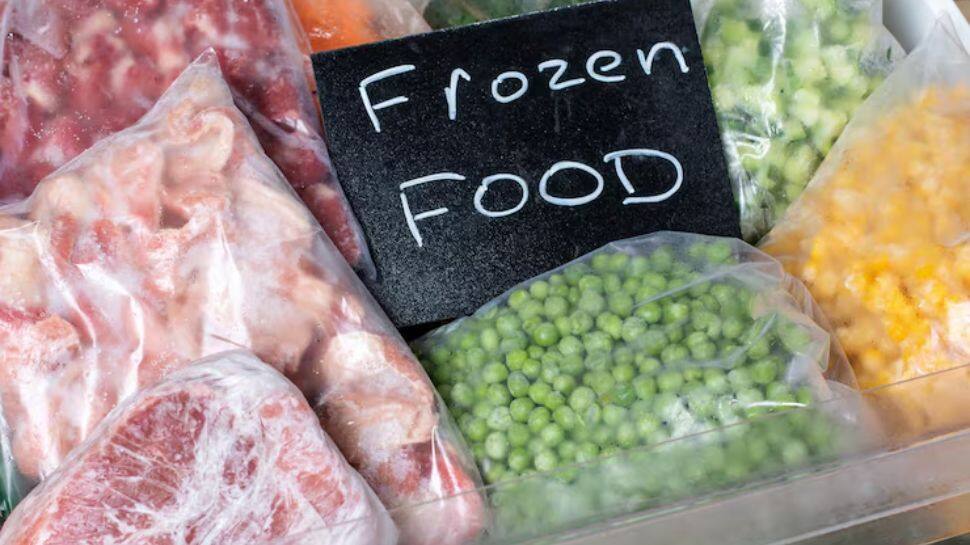
For decades, one misconception about frozen foods has persisted - that these are made with preservatives. When most people hear the words "frozen food", they instinctively think "preservatives". The assumption is simple: if something stays fresh for months, surely it must be full of additives. The truth, however, is different.
Modern freezing technology in itself acts as a preservation method, often reducing or eliminating the need for added preservatives. What keeps freshly frozen food safe, and tasty is advanced freezing science. Ashu Phakey, Vice President and Business Head, ITC frozen foods shares how freezing technology is transforming the future of fresh foods.
The Science of Freezing: How Technology Preserves
The science of frozen food is rooted in innovation. It all began with Clarence Birdseye, who developed rapid-freezing methods after observing how fish froze instantly in Arctic conditions. His work laid the foundation for the freezing technology we use today.
Modern Individually Quick Freezing (IQF) technology builds on this idea. In this process, food is frozen very quickly at temperatures between –30 °C and –90 °C. It helps stop microbial growth and locks in the food’s nutrients and taste.
Freezing is one of nature’s most effective preservation methods. When food is frozen quickly, microbial and enzymatic activity slows down, allowing it to remain safe and retain nutrition for long periods. The key to keeping frozen foods safe and high in quality is maintaining an unbroken cold chain — from the manufacturing unit to the freezer at home. Keeping products at a steady temperature of around –18 °C ensures that they retain their natural texture and flavour.
This is why advanced freezing technology has transformed how we preserve and enjoy food. With rapid freezing and reliable cold-chain systems, modern frozen foods deliver long shelf life, great taste, and consistent quality — from farm to freezer to fork.
Why This Matters for India?
In a country like India, which has diverse climates and often long farm-to-fork supply chains, ensuring preservation is a challenge. Frozen foods address this gap by making seasonal produce and ready-to-cook options available year-round through the power of freezing technology. They provide modern households with the benefits of hygiene, consistency, and convenience. Further, advanced freezing technologies in frozen food and food processing at large also contributes to India’s efforts to lower food wastages, ensuring food security.
The frozen category has grown rapidly in the past decade. We've invested in state-of-the-art facilities that minimize human touch, follow rigorous hygiene protocols, and leverage technology-driven freezing methods.
In today’s fast paced life where we want everything instantly, frozen food provides consumers an option to enjoy quality food that's safe, preserves nutrients, and convenient. Further, with rapid urbanization evolving and consumer lifestyles, ready-to-cook/frozen food is set to become a mainstream category that supports modern cooking. From bottom shelf it will dominate the top shelf.