Pasta is one of the simplest yet most loved dishes worldwide, but many struggle with getting it just right. Undercooked pasta tastes chewy, while overcooked pasta becomes mushy and sticky. With the right steps, you can boil pasta to perfection every single time.
1. Choose the Right Pasta and Pot
Start by selecting good-quality pasta, whether it’s spaghetti, penne, or fusilli. Use a large pot so the pasta has enough room to cook evenly without sticking together. A general rule is 4–6 quarts of water per pound of pasta.
2. Boil Enough Water
Bring plenty of water to a rolling boil before adding pasta. Using too little water can make pasta clump together. More water ensures the pasta cooks evenly and maintains its texture.
3. Add Salt Generously
Once the water starts boiling, add 1–2 tablespoons of salt. This step is crucial because it seasons the pasta from within, enhancing flavor without extra sauces. Skip the oil—it isn’t necessary and can make sauces slip off later.
4. Stir and Cook with Attention
Add the pasta to boiling water and stir immediately to prevent sticking. Keep stirring occasionally during cooking. Always check the instructions on the packet, but also start tasting the pasta a minute or two before the suggested cooking time.
5. Aim for ‘Al Dente’ Texture
Perfect pasta is cooked “al dente,” meaning it’s firm to the bite but not hard in the center. It shouldn’t be mushy or overly soft. Taste testing is the most reliable way to achieve this balance.
6. Save Some Pasta Water
Before draining, reserve a cup of starchy pasta water. This liquid is excellent for thickening sauces and helping them cling better to the pasta.
7. Drain and Serve Immediately
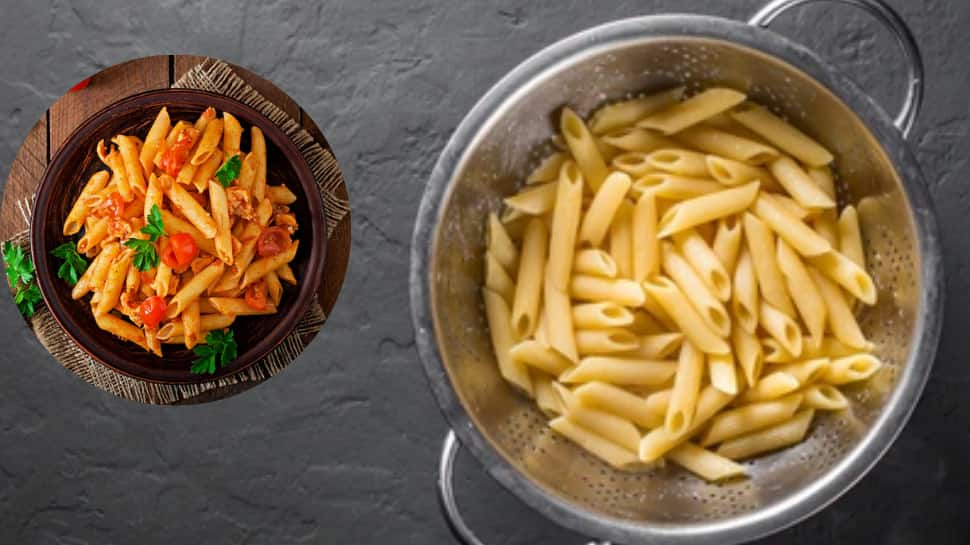
Drain the pasta in a colander but don’t rinse (unless making a cold pasta salad). Serve immediately with your sauce of choice—whether it’s marinara, alfredo, pesto, or simply olive oil and garlic.
Boiling pasta perfectly is all about timing, water, and attention. By salting the water, stirring properly, and testing for al dente, you can ensure your pasta is never undercooked or overcooked. The result? A delicious, restaurant-style dish right at home.