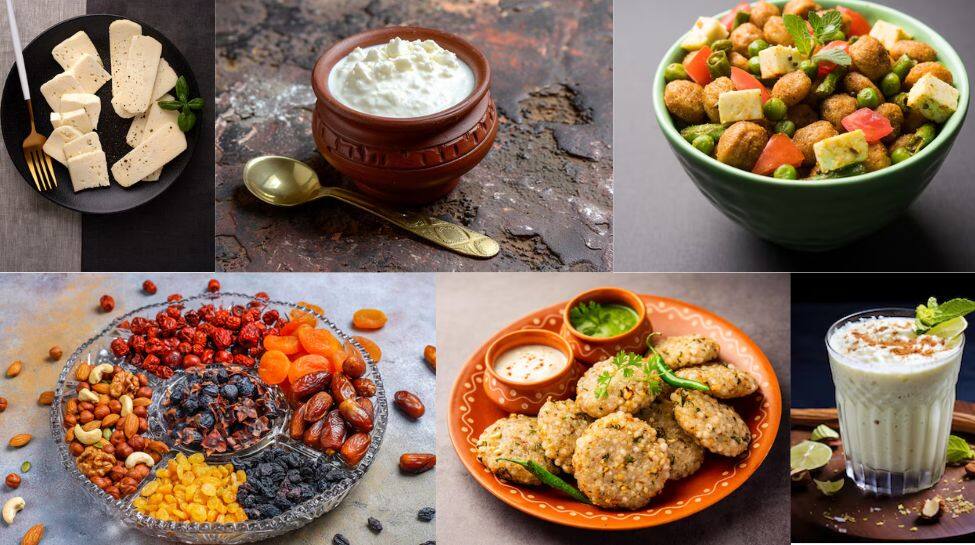
The holy month of Sawan (Shravan) is a time of devotion, fasting, and spiritual cleansing for many Hindus, especially devotees of Lord Shiva. During this sacred period, many people avoid non-vegetarian food, onion, garlic, and even grains on certain days. But while observing these dietary restrictions, it's important not to compromise on essential nutrients—especially protein, which is vital for energy, immunity, and muscle maintenance.
Here’s a list of protein-rich vegetarian foods that are perfect for Sawan fasting and rituals:
1. Pulses and Legumes (Sabut Dal, Moong, Rajma, Chana)
- Protein content: ~15–24g per 100g (uncooked)
- Pulses are a staple in Indian vegetarian diets. Moong dal (especially soaked or sprouted), chana dal, and whole rajma or black chana can be consumed in simple, saatvik preparations without onion and garlic.
- Tip: Soak overnight and sprout them for easier digestion and more nutrients.
2. Paneer (Cottage Cheese)
- Protein content: ~18g per 100g
- Paneer is one of the richest sources of protein among vegetarian foods and fits well in Sawan fasting meals.
- How to use: Make grilled paneer cubes, stir-fries, or add to vrat-friendly kuttu or singhare ke atta roti rolls.
3. Nuts and Seeds (Almonds, Walnuts, Flaxseeds, Pumpkin Seeds)
- Protein content: 5–25g per 100g (varies by type)
- A handful of nuts and seeds is a great way to boost protein, healthy fats, and energy.
- Fasting tip: Avoid salted or roasted ones; stick to raw or dry-roasted varieties for a sattvic diet.
4. Milk and Curd (Dahi)
- Protein content: Milk – ~3.5g/100ml | Curd – ~4g/100g
- Dairy is an excellent source of protein and fits perfectly in most Sawan fasts. Curd is also probiotic and good for digestion.
- Serving idea: Mix curd with fruits or use in vrat kadhi made with singhara or rajgira flour.
5. Amaranth (Rajgira) and Buckwheat (Kuttu)
- Protein content: ~13–14g per 100g
- These pseudo-grains are vrat staples and naturally high in protein. Rajgira is also rich in calcium and iron.
- How to use: Make rajgira paratha, kuttu cheela, or porridge using milk.
6. Bananas and Dry Fruits
- While not high in protein themselves, combining bananas with nuts or milk creates a protein-rich snack or smoothie.
- Example: Banana + milk + peanut butter = tasty and energy-boosting!
7. Sabudana (Tapioca Pearls) with Peanuts
- While sabudana is mainly carbs, adding roasted peanuts increases its protein content.
- Tip: Make sabudana khichdi with peanuts and ghee for a balanced vrat meal.
8. Soy Products (Tofu, Soy Nuggets)
- Protein content: Tofu – ~10g per 100g | Soy chunks – ~52g per 100g (dry)
- If your version of Sawan fasting allows, tofu or soy chunks can be excellent alternatives to meat and paneer.
- Note: Always check if soy fits your specific fasting traditions.
9. Coconut and Coconut Milk
- Moderate protein source but packed with healthy fats and minerals.
- Use it in: Coconut chutney, coconut ladoos, or add coconut milk to curries or smoothies.
Sample Vrat Meal Plan (High in Protein)
Breakfast: Rajgira porridge with milk + almonds
Lunch: Kuttu roti + paneer sabzi + cucumber raita
Snack: Banana peanut smoothie or sabudana khichdi with peanuts
Dinner: Moong sprouts salad or tofu stir-fry (if allowed) + curd
(This article is intended for your general information only. Zee News does not vouch for its accuracy or reliability.)