


Meet India’s Richest Chief Minister: The Leader Whose Family Owns One Of India’s Biggest Food Companies And Declared Assets Worth Rs 9,31,00,00,000
A significant portion of this wealth comes from his family’s stake in one of India’s largest food companies, which has seen steady growth over the years. His financial disclosures highlight both transparency and the growing intersection of business and politics in India. While his fortune draws public attention, it also raises discussions about accountability, ethics, and the evolving nature of leadership in Indian governance.
Political Background and Return to Power
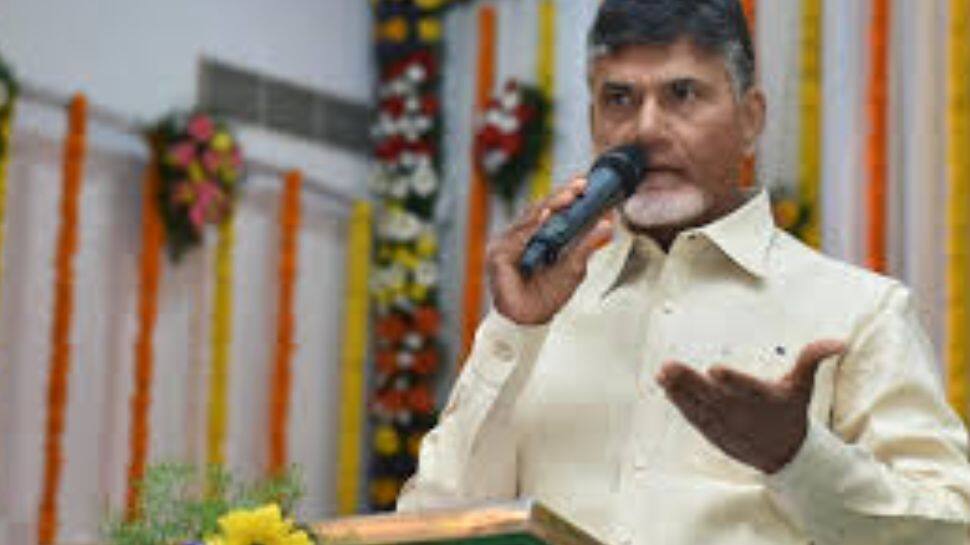
N. Chandrababu Naidu, one of India’s most experienced political figures, returned to the Chief Minister’s office in Andhra Pradesh in 2024. With decades of experience and a reputation for governance and economic planning, his comeback also brought renewed attention to his financial disclosures, which revealed him to be the richest Chief Minister in the country.
Declared Assets in 2024
In his 2024 election affidavit, Naidu and his wife declared total family assets worth approximately Rs 931.83 crore. This includes both movable and immovable properties, placing him at the top among all Indian Chief Ministers in terms of declared wealth. His affidavit detailed income sources, liabilities, and investments, highlighting a clear separation between his personal holdings and family-owned assets.
Composition of Wealth
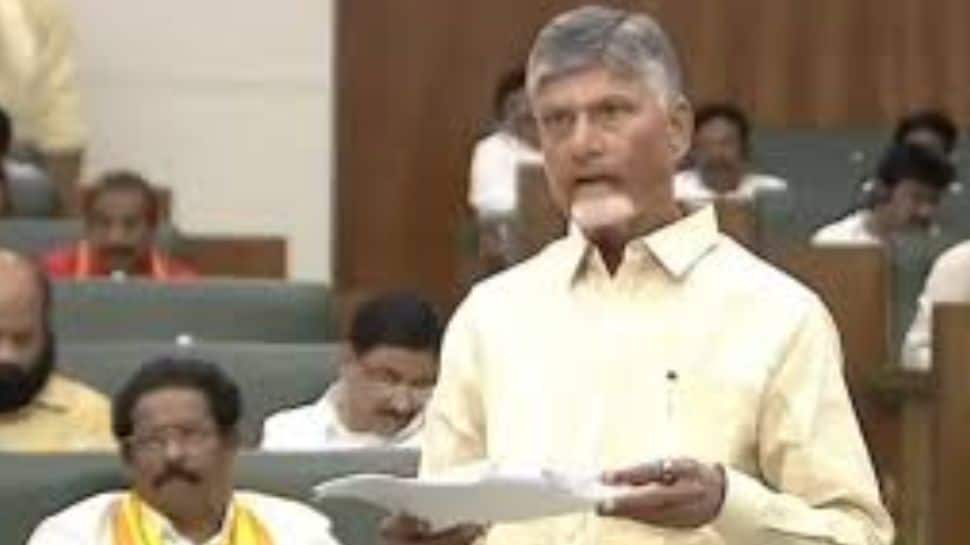
The majority of Naidu’s declared wealth is attributed to his family’s holdings in Heritage Foods Limited, a company founded by his family in 1992. His wife, Nara Bhuvaneswari, serves as the company’s vice-chairperson and managing director. The value of these shares forms a substantial portion of the family’s movable assets, which total over Rs 931.83 crore. In comparison, Naidu’s personal movable assets are modest, with a smaller share of property and savings in his own name.
Growth in Wealth Over the Years
Between 2019 and 2024, Naidu’s family wealth saw a notable increase of over 40 percent, mainly driven by the rise in Heritage Foods’ market value and appreciation of real estate holdings. This steady growth reflects long-term investment gains rather than short-term spikes, and much of it remains tied to corporate equity rather than liquid cash or new property purchases.
Comparison with Other Chief Ministers
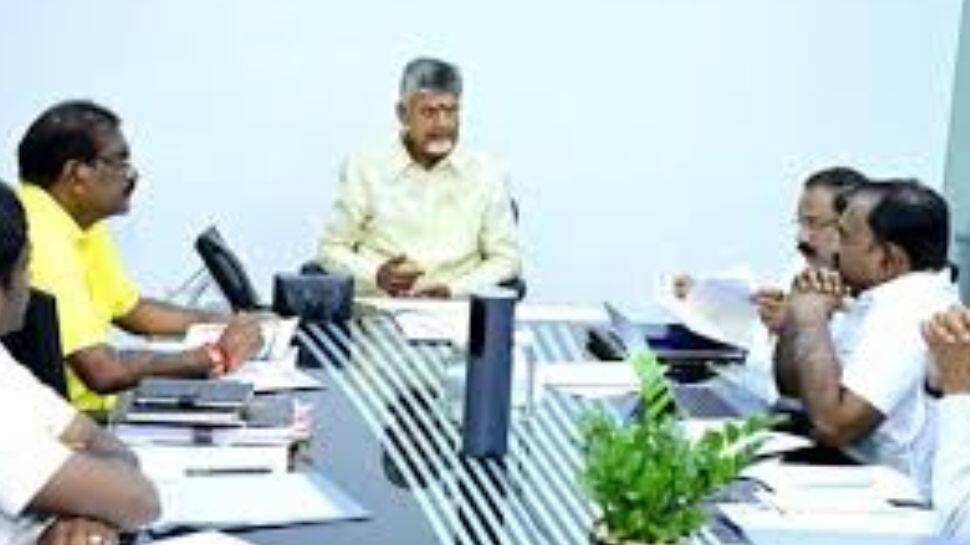
In 2024, Naidu’s declared assets far exceeded those of other Chief Ministers across India. The next richest CM, Pema Khandu of Arunachal Pradesh, declared assets of around Rs 330 crore—almost one-third of Naidu’s total. Most other CMs have declared wealth in the range of a few crores to a few tens of crores, highlighting the significant gap between Naidu and his peers in terms of declared financial standing.
Transparency and Public Scrutiny
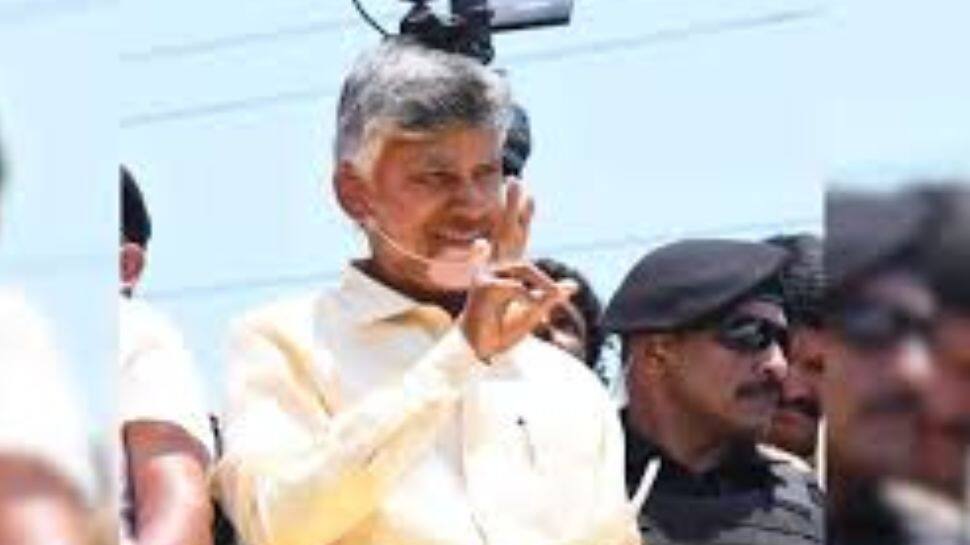
Naidu’s detailed affidavit disclosures have sparked both praise and scrutiny. Supporters view his openness as a sign of transparency and compliance with public accountability norms. Critics, however, often question whether such large concentrations of wealth among political families may blur the lines between business and governance. Naidu’s camp maintains that all declared assets stem from legitimate, audited sources, primarily the family’s long-standing business interests.
Public Perception and Broader Implications
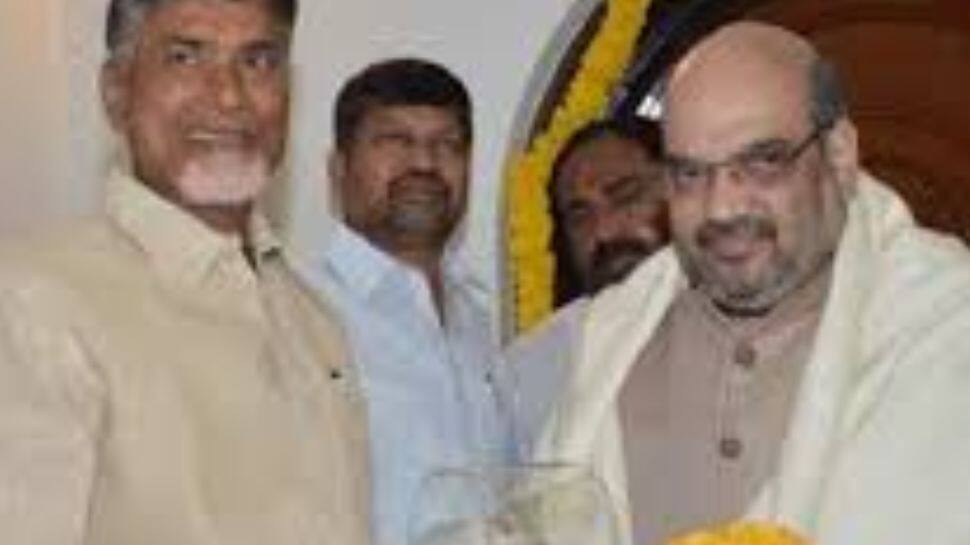
Naidu’s position as India’s richest Chief Minister underscores the evolving nature of political leadership in the country—where business ownership and public office frequently intersect. While his wealth highlights successful entrepreneurship within his family, it also brings greater expectations of ethical governance, clear financial disclosures, and separation between private enterprise and public duty. His case serves as a benchmark for transparency in political asset reporting.