


3I-ATLAS Comet New Images: NASA Shares New Stunning Pictures Of Interstellar Comet, Offering A Rare Glimpse Of Cosmic Visitor
NASA has released stunning new images of the interstellar comet 3I/ATLAS, offering scientists and space enthusiasts a rare glimpse of a visitor from beyond our Solar System. These observations provide a unique opportunity to study material that has traveled billions of kilometers from another star system.
Interstellar 3I/ATLAS
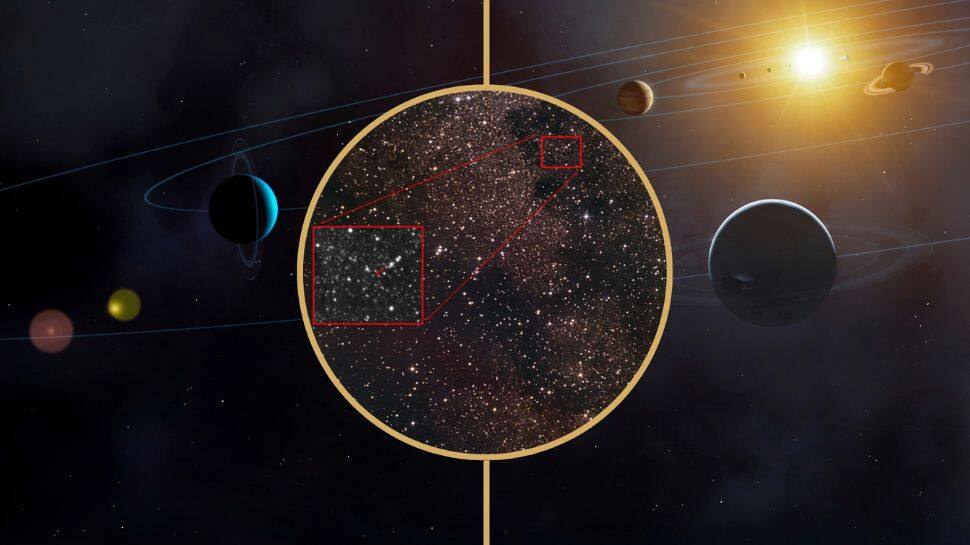
NASA’s latest revelation of 3I/ATLAS marks a thrilling milestone in space exploration. As the third confirmed interstellar object to enter our Solar System, this comet offers scientists a rare glimpse of material from another star system, traveling billions of kilometres before reaching us.
Its discovery has captured global attention, not just for its unusual trajectory, but for the wealth of knowledge it could reveal about the building blocks of the universe.
Introduction to 3I/ATLAS
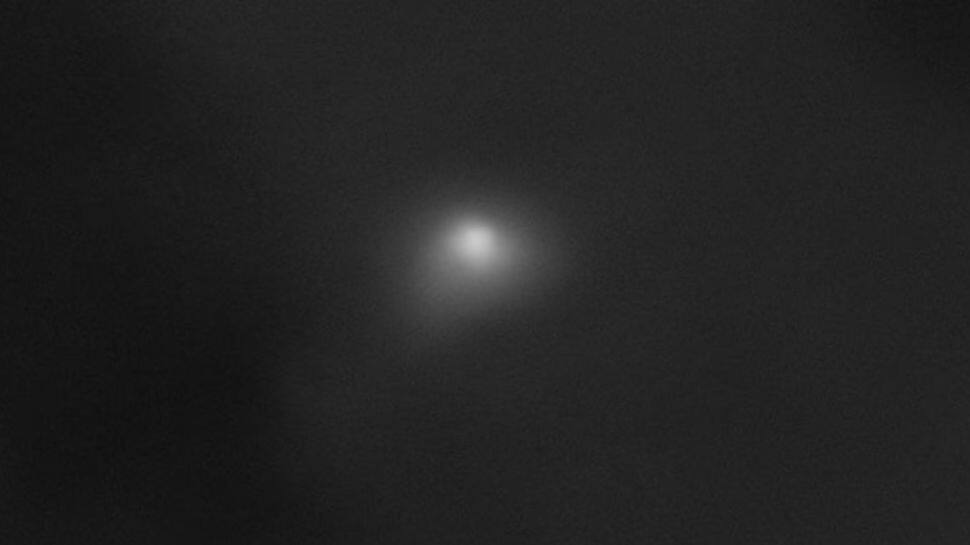
NASA has released highly-anticipated images of 3I/ATLAS, the third confirmed interstellar object to enter our Solar System, following ‘Oumuamua (2017) and 2I/Borisov (2019).
Its unusual path sparked online speculation about “alien technology,” drawing global attention to NASA for official observations.
NASA’s Observational Efforts
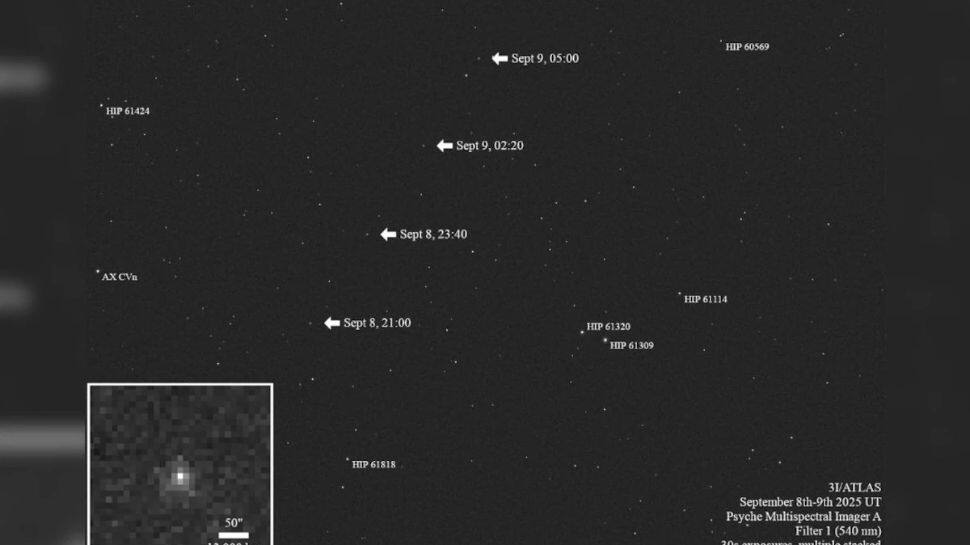
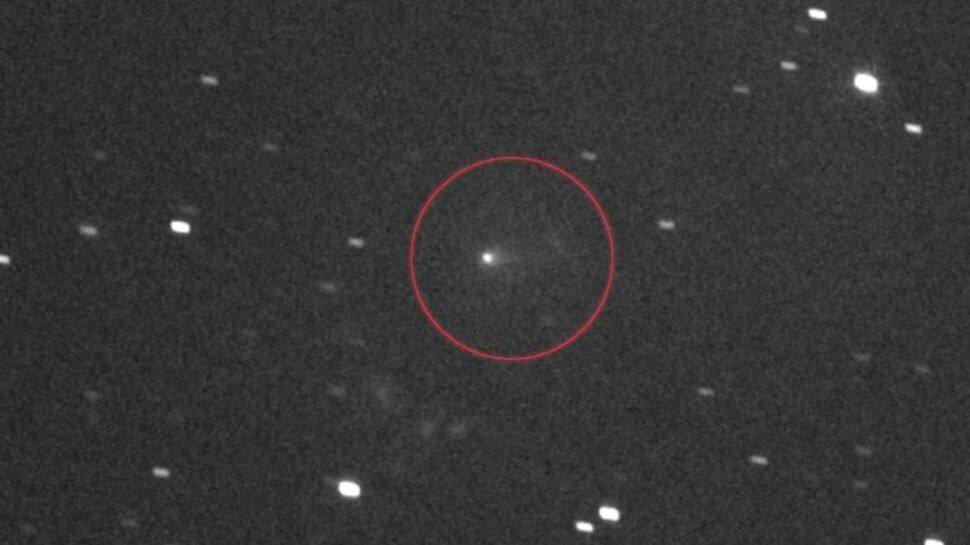
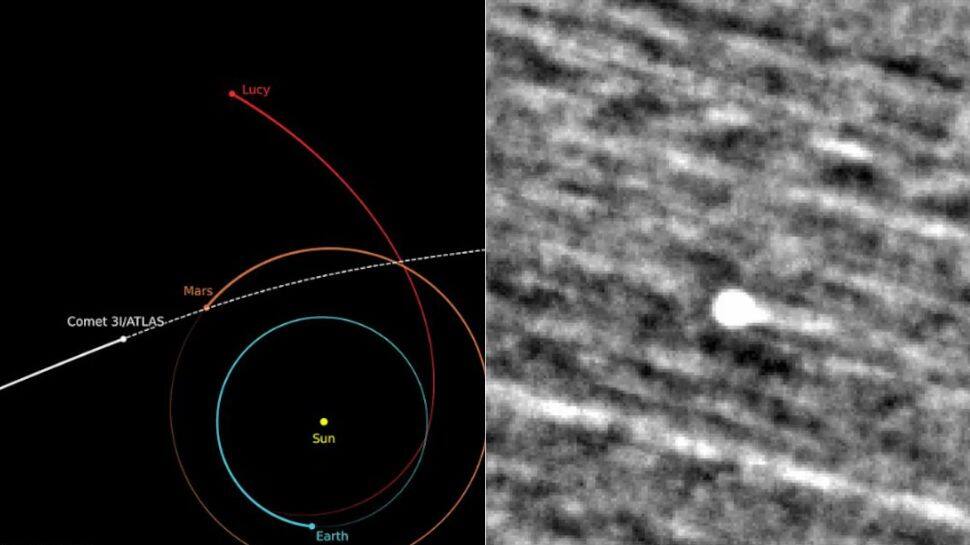
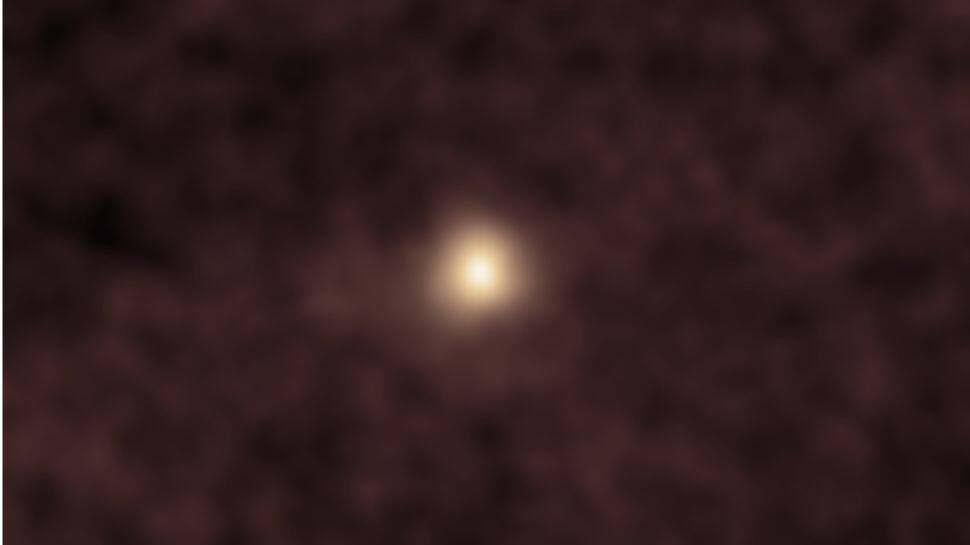
To study the comet, NASA directed almost every capable spacecraft in the inner Solar System to observe 3I/ATLAS.
However, public release of the images was delayed due to a six-week US government shutdown.
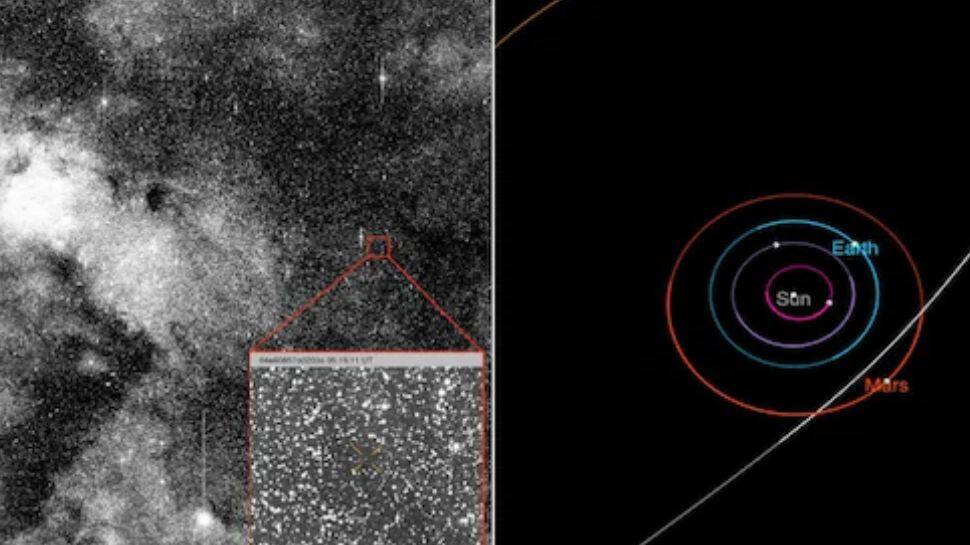
Since its discovery on July 1, 12 NASA assets have captured and processed its images, with more opportunities for observation still ahead.
Why 3I/ATLAS is Special
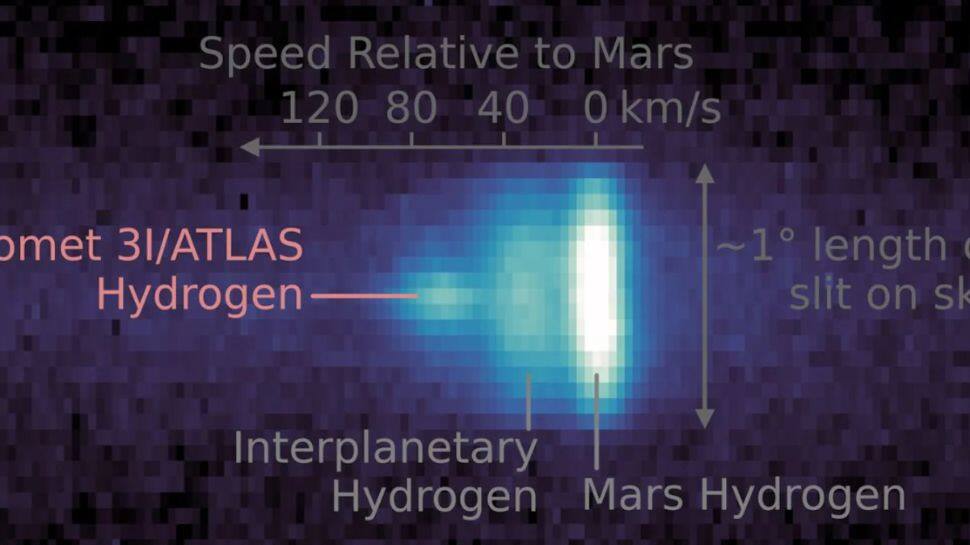
Observations from Mars
Observations from the Sun
Observations from Deep-Space Probes
Comet’s Features and Close Approach
Speed: 30,000 mph, faster than any known Solar System comet
Composition: Carbon dioxide, water ice, and a strong nickel signal similar to 2I/Borisov
Size: Estimated hundreds of meters to a few kilometers, obscured by dust
Notable events: Brightened near perihelion on Oct 29 with a faint tail
Closest approach to Earth: Dec 19, 170 million miles, almost twice the Earth-Sun distance
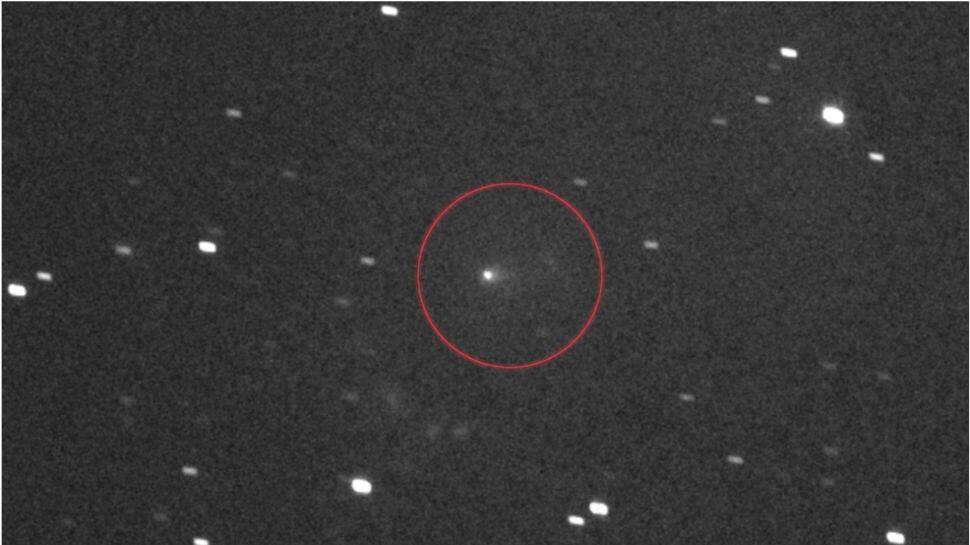
As 3I/ATLAS continues its journey through the Solar System, scientists and space enthusiasts alike eagerly anticipate the insights it will provide. From close-up observations by rovers and orbiters to upcoming studies by the James Webb Space Telescope, this comet represents a once-in-a-lifetime opportunity to understand interstellar matter. Its fleeting visit reminds us of the vastness of space and the incredible discoveries that lie beyond our own star system. (Image Credit: NASA)