7 Saree Styles from Different Indian States That You Should Try

India’s diverse culture shines through its traditional saree draping styles. Each style tells a story of heritage, functionality, and grace. Explore the beauty and significance of these iconic drapes. 

Mar 07, 2025, 14:51 PM IST

India’s diverse culture shines through its traditional saree draping styles. Each style tells a story of heritage, functionality, and grace. Explore the beauty and significance of these iconic drapes. 


1/7

Athpourey Shari (West Bengal)
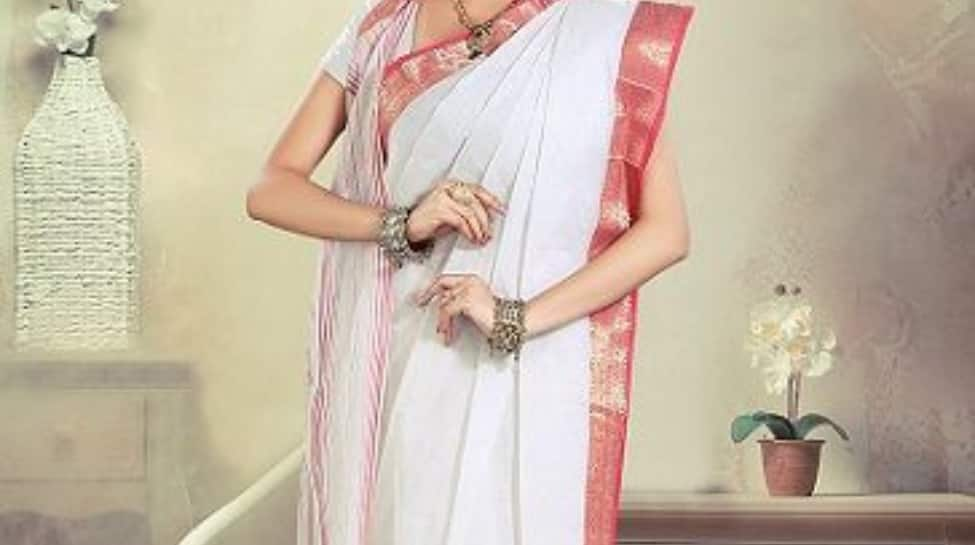
Athpourey Shari (West Bengal)

 A traditional drape with two pallus coming to the front and box pleats. Often adorned with a bunch of keys symbolizing household responsibilities

2/7

Maharashtrian Nauvari Style (Maharashtra)

Maharashtrian Nauvari Style (Maharashtra)

A regal 9-yard saree resembling a dhoti, offering ease of movement. Often worn during religious rituals and weddings.

3/7

Settu Saree (Kerala)

Settu Saree (Kerala)

 Known for its cream-white base and golden borders, this elegant two-piece drape is perfect for auspicious occasions.

4/7

Madisaru (Tamil Nadu)

Madisaru (Tamil Nadu)

 A complex 9-yard drape combining saree and dhoti elements. Worn by the Brahmin community for weddings and special religious ceremonies.

5/7

Gujarati Bandhani Style (Gujarat)

Gujarati Bandhani Style (Gujarat)

Featuring vibrant tie-dye patterns, this style showcases Gujarat’s textile heritage. Ideal for festive occasions, it’s traditionally paired with an unstitched blouse.

6/7

Nivi Style (Andhra Pradesh)

Nivi Style (Andhra Pradesh)

The most popular saree style, known for waist pleats and a pallu draped over one shoulder. Perfect for daily wear and special occasions, it accentuates the silhouette.

7/7

Bengali Style (West Bengal)

Bengali Style (West Bengal)

 A graceful drape with no pleats at the waist and a fan-shaped pallu draped over both shoulders. Ideal for traditional ceremonies like Durga Puja.

Most Popular