


85 Countries Rush For Make-In-India Weapons: Why BrahMos, Pinaka And Akash Are Global Bestsellers
India’s defence industry is drawing attention across continents as its missiles, rockets and battlefield systems move onto the procurement plans of foreign militaries. Export numbers highlight this surge with defence sales touching Rs 21,083 crore in FY 2023-24, a jump of 32.5 per cent from the previous year. Buyers now come from more than 85 countries, and their interest reveals a growing belief that India’s military technology offers reliability, performance and value. These are the systems that now drive India’s growing footprint in the global defence market.
A New Chapter In India’s Defence Journey
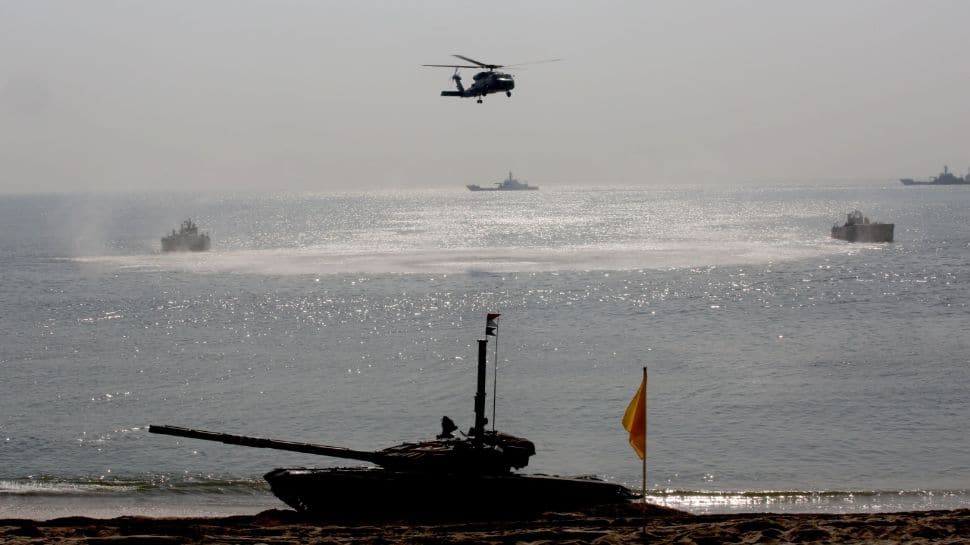
India has moved from being one of the world’s largest importers of weapons to becoming a country whose systems are gaining eager buyers abroad. The shift is visible in the rising export numbers issued by the Ministry of Defence. The increase to Rs. 21,083 crore in 2023-24 shows how far Indian defence manufacturing has travelled.
More than 85 nations now source equipment from Indian firms, and the demand for missile and rocket technologies is driving this momentum. Many countries see India as a dependable supplier with platforms built for deserts, mountains and maritime zones.
(Photo: X/MoD)
BrahMos: The Star Of India’s Missile Line-Up
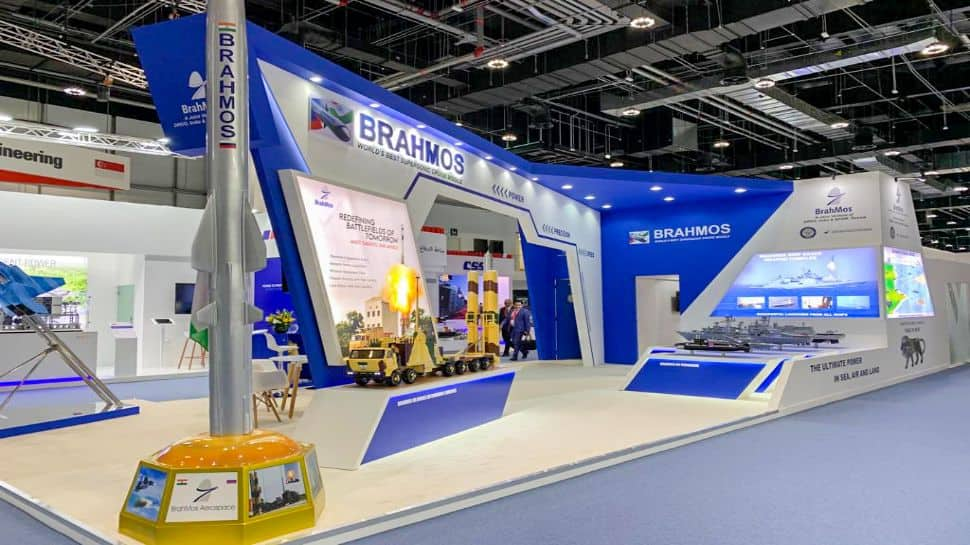
The BrahMos supersonic cruise missile continues to lead India’s export ambitions. The joint India-Russia platform secured a breakthrough sale in 2022, when the Philippines signed a contract worth almost USD 375 million. India is also close to completing another large sale, a USD 700 million deal with Vietnam. The missile system draws interest because it travels at Mach 2.5 and above, follows a sea-skimming path and fires from land, sea and air.
Multiple countries, including Malaysia, Thailand, Singapore, Brunei, Brazil, Chile, Argentina, the UAE, Saudi Arabia, Qatar and Egypt, are evaluating it. The success of BrahMos during Operation Sindoor has brought more attention to the system and lifted its global profile.
(Photo: https://3bexhibitionstands.com/)
Pinaka: A Homegrown Rocket System That Travels Far
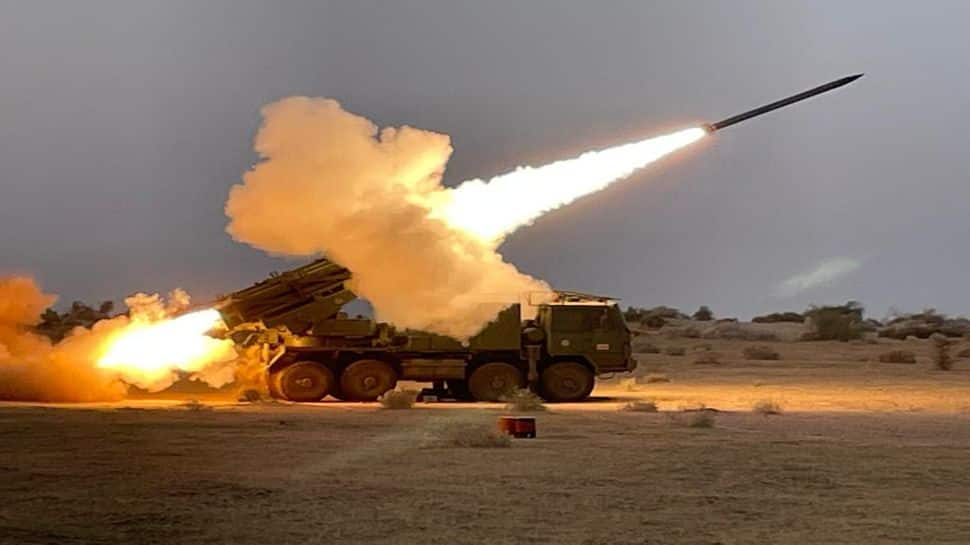
Designed in India, the Pinaka multi-barrel rocket launcher is finding a growing line of buyers. French authorities are reported to be in talks for a potential purchase, and it could mark the first time France acquires a launcher system from India.
Countries like Armenia, Vietnam, Indonesia and Saudi Arabia have shown interest in the Pinaka package. Its range reaches 90 kilometres, and its performance in high-altitude zones has strengthened its appeal. Many foreign officials view it as a cost-efficient and dependable choice for modern rocket artillery needs.
(Photo: PIB)
Akash: Air Defence That Travels Well Abroad
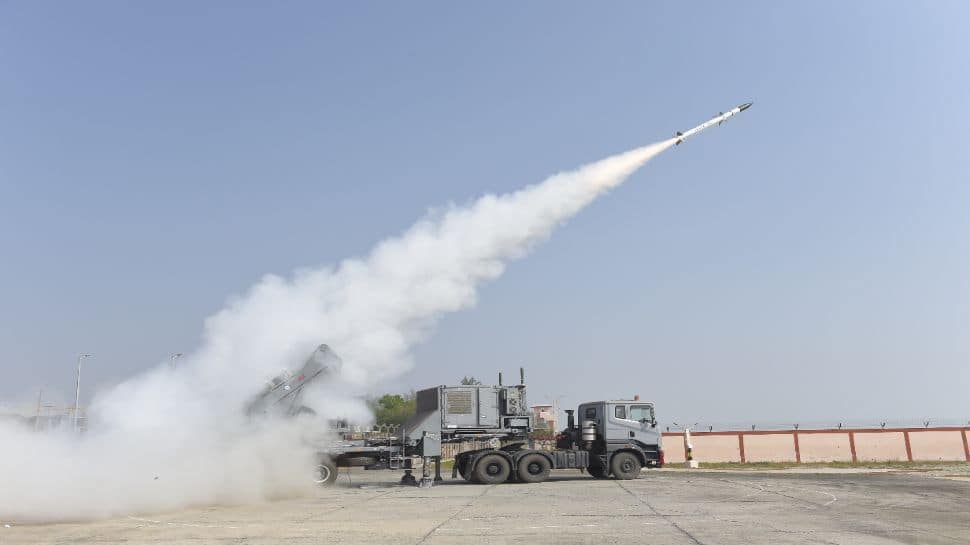
The Akash surface-to-air missile system has begun building its own presence in the export market. Armenia has already signed a contract valued at USD 600 million, and reports suggest that the Philippines is working toward a purchase that may cross USD 200 million.
Akash is known for delivering mobile air-defence at much lower cost compared to Western products. Its indigenous design attracts small and medium militaries looking for advanced technology without heavy dependency burdens.
Countries such as Brazil, Egypt, Vietnam and the UAE have shown interest.
(Photo: PIB)
Beyond Missiles: Subsystems And Ammunition In High Demand
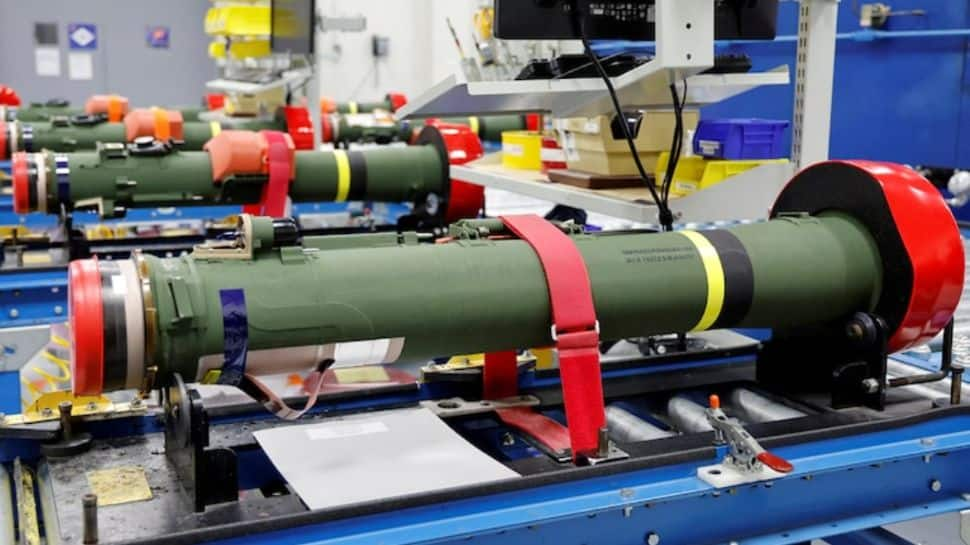
Foreign interest is not limited to complete weapon systems. Indian companies export artillery shells, rocket motors and propulsion units to a widening group of partner nations.
A Reuters report highlights that Indian firms offer 155 mm artillery ammunition for about USD 300-400 each. Prices for similar shells from European suppliers can cross USD 3,000. This cost difference has encouraged more buyers to explore Indian suppliers, especially as global conflicts increase demand for affordable ammunition.
(Photo: X)
What Makes India Attractive To Global Buyers
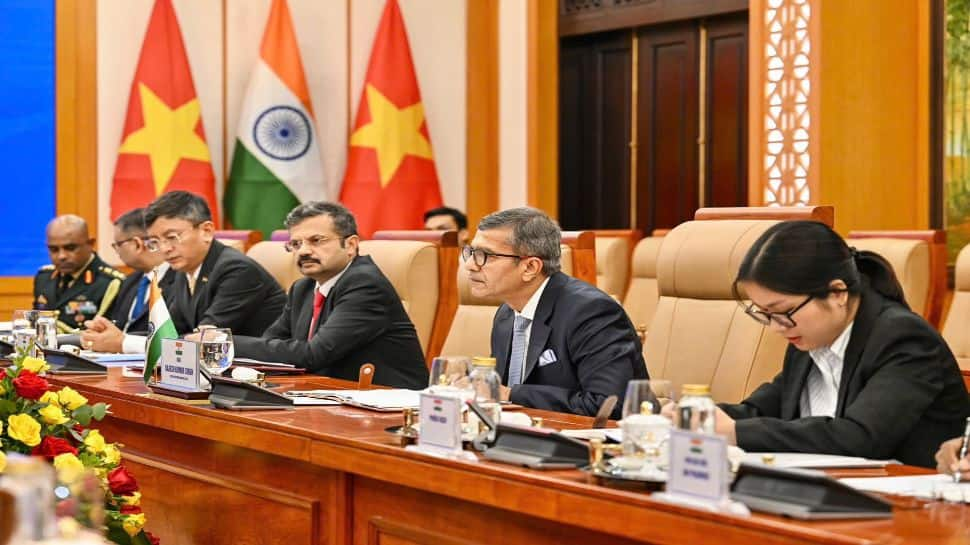
Countries that seek practical and proven systems often turn to India because the platforms have been tested in Himalayan heights, desert conditions and coastal sectors. Many of the export deals move forward through strong government-to-government agreements and credit support.
The acquisition costs remain lower, and partner nations face fewer political hurdles when sourcing from India. These conditions create a favourable environment for foreign militaries searching for reliable technology at sustainable prices.
(Photo: X/MoD)
Maintaining Momentum In The Export Push
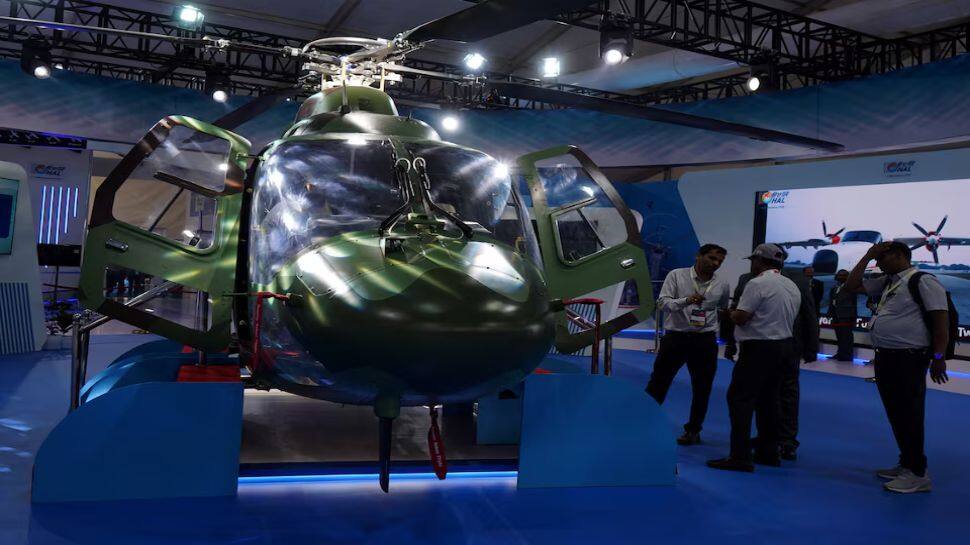
Though challenges exist, India’s defence export growth continues. Large contracts involve complex offset commitments and support agreements. Some systems need regulatory clearance before export. Long-term training, integration and maintenance remain vital for many foreign forces.
The capacity to deliver equipment on schedule and support customers after delivery will play an important role in sustaining the present demand. The path ahead offers strong promise as India’s missiles, rockets and air-defence systems strengthen its position in the global arms marketplace.
(Photo: Reuters)