


Indo-Pak Tension: Do Nuclear Bombs Expire? What Is Their Destruction Range?
Indo-Pak Tension: As tensions flare once again between India and Pakistan following the cowardly terrorist attack in Pahalgam on April 22, Pakistani leaders are continuously threatening India with their nuclear bomb capabilities. Statements from Pakistani officials, including their defense minister, have reignited global anxiety around the nuclear capabilities of both countries. But amid the political posturing, a critical question often goes unasked: Do nuclear bombs remain dangerous forever? Or do they lose their power over time?
Indo-Pak Tension: As tensions flare once again between India and Pakistan following the cowardly terrorist attack in Pahalgam on April 22, Pakistani leaders are continuously threatening India with their nuclear bomb capabilities. Statements from Pakistani officials, including their defense minister, have reignited global anxiety around the nuclear capabilities of both countries. But amid the political posturing, a critical question often goes unasked: Do nuclear bombs remain dangerous forever? Or do they lose their power over time? Here’s a deep dive into the lifespan, reliability, and evolving threat of nuclear weapons in today’s world.
Lifespan
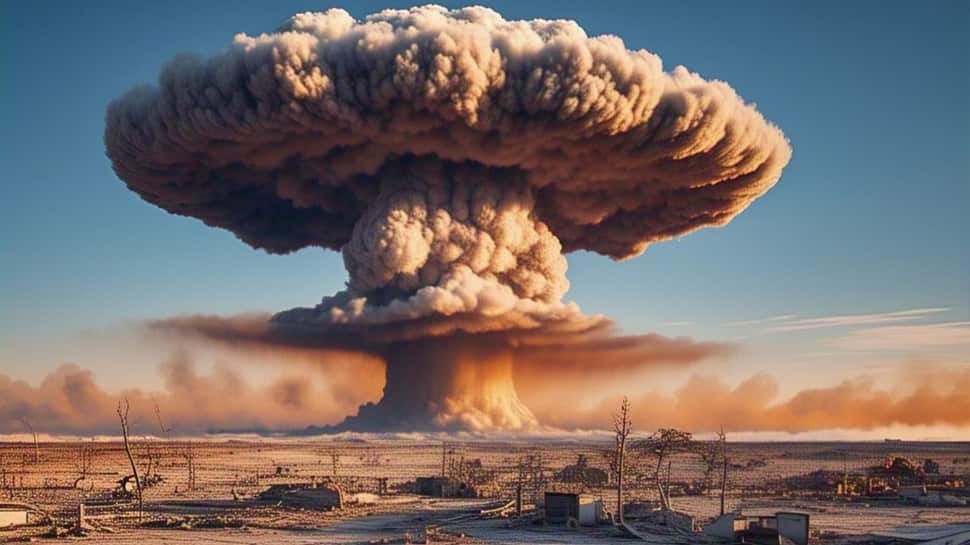
Nuclear weapons are not immortal. Despite their terrifying destructive power, they rely on complex mechanical and electronic systems that degrade over time. Components like detonators and explosives, much like parts in any old electronic device, begin to lose their reliability. Typically, a nuclear bomb remains functional for 30 to 50 years, though environmental factors can shorten this.
Radiation And Decay
Exposure to high radiation levels can severely affect a weapon’s electronics and structural integrity. In extreme conditions, nuclear weapons may become inactive in just 10 to 15 years. One of the key issues is helium corrosion, which eats away at internal parts and weakens the bomb’s capability to detonate effectively.
Tritium: Power Boost
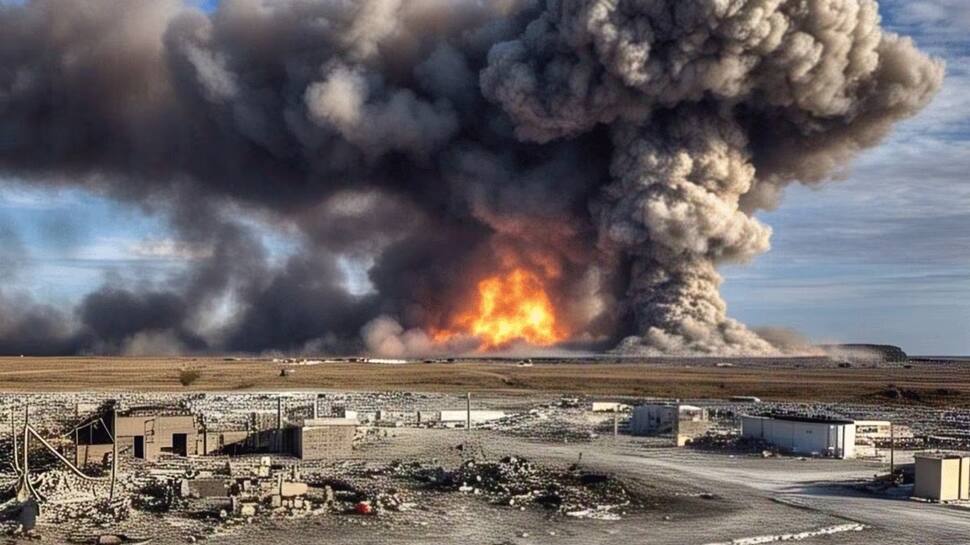
Modern nuclear bombs often include tritium, a radioactive gas used to increase explosive yield. However, tritium has a relatively short half-life of just 12 years, meaning it loses half its potency in that time. After 24 years, it essentially becomes helium—harmless and useless. That’s why bombs using tritium need regular maintenance and refilling.
Life To Inertia
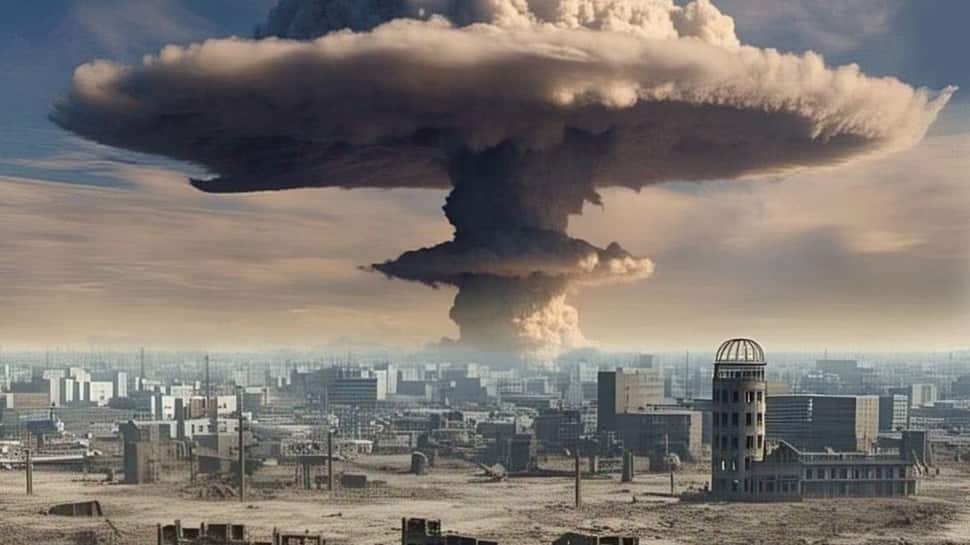
Even after they’ve aged, not all nuclear weapons become totally inert. While many components may stop functioning, the fissile material (like plutonium or enriched uranium) can remain radioactive and dangerous for thousands of years. In theory, a bomb could be reactivated with proper refurbishing—making safe disposal and deactivation a major concern for scientists and defense agencies alike.
Aging Study

Destruction Range
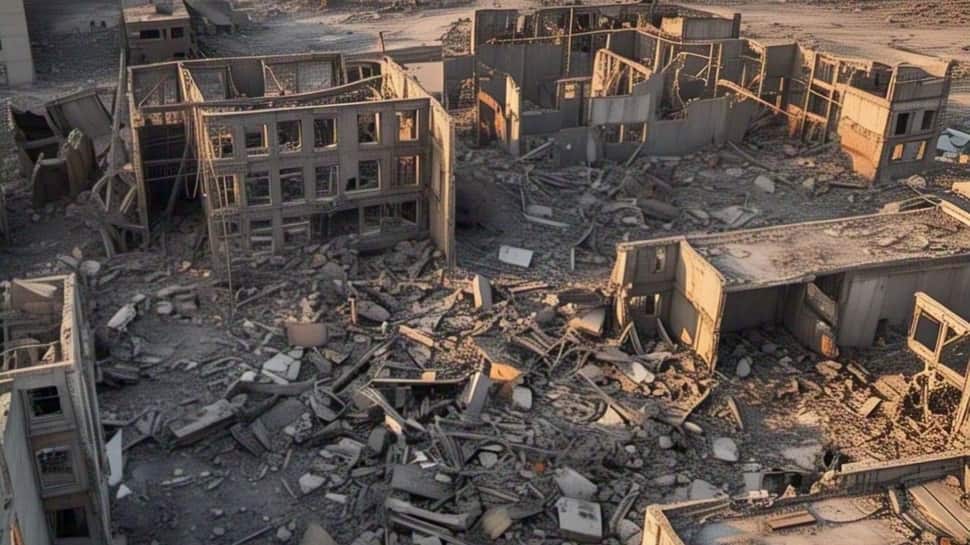
The destructive range of a nuclear bomb depends on its yield, measured in kilotons or megatons of TNT. For example, the bomb dropped on Hiroshima in 1945 had a yield of 15 kilotons and wiped out everything within a 1.6 km (1-mile) radius, with severe damage extending up to 3–4 km. Modern nuclear weapons can be far more powerful. A 1-megaton bomb can cause complete destruction within 4–5 km and severe damage and burns up to 10–15 km. Radiation and fallout effects potentially stretching hundreds of kilometers, depending on wind and terrain. The Tsar Bomba, the largest ever tested (50 megatons), had a blast radius so massive that windows shattered 900 km away. The aftereffects—fires, radiation sickness, and long-term environmental damage—can render entire regions uninhabitable for decades.
India Vs Pak Nuclear Stockpiles
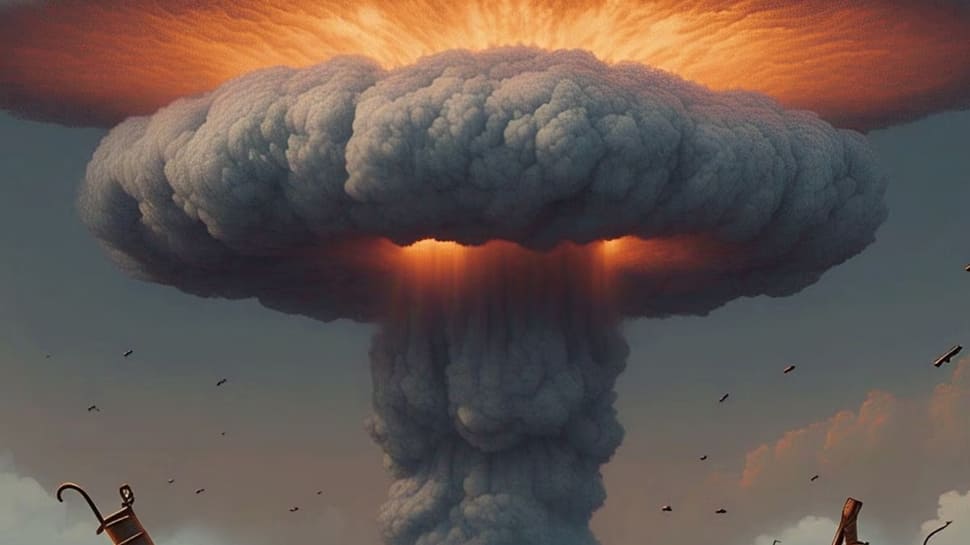
According to a report by the Stockholm International Peace Research Institute (SIPRI) published in 2024, India possesses approximately 172 nuclear warheads, while Pakistan holds around 170. Both nations have yet to sign the Nuclear Non-Proliferation Treaty (NPT), and Pakistan has not adopted a No First Use policy—further intensifying global concerns during periods of military tension.