


From Alien Signals To Hidden Planets: Nine Of The Most Mysterious Objects In Universe That Baffle Scientists
The cosmos holds secrets that challenge our understanding of physics and the nature of reality. From interstellar visitors to invisible forces shaping galaxies, these nine mysterious objects captivate astronomers and spark endless questions. Each represents a frontier where known science meets the unknown, inviting us to explore the enigmatic wonders of space even deeper.
The Red Rectangle Nebula
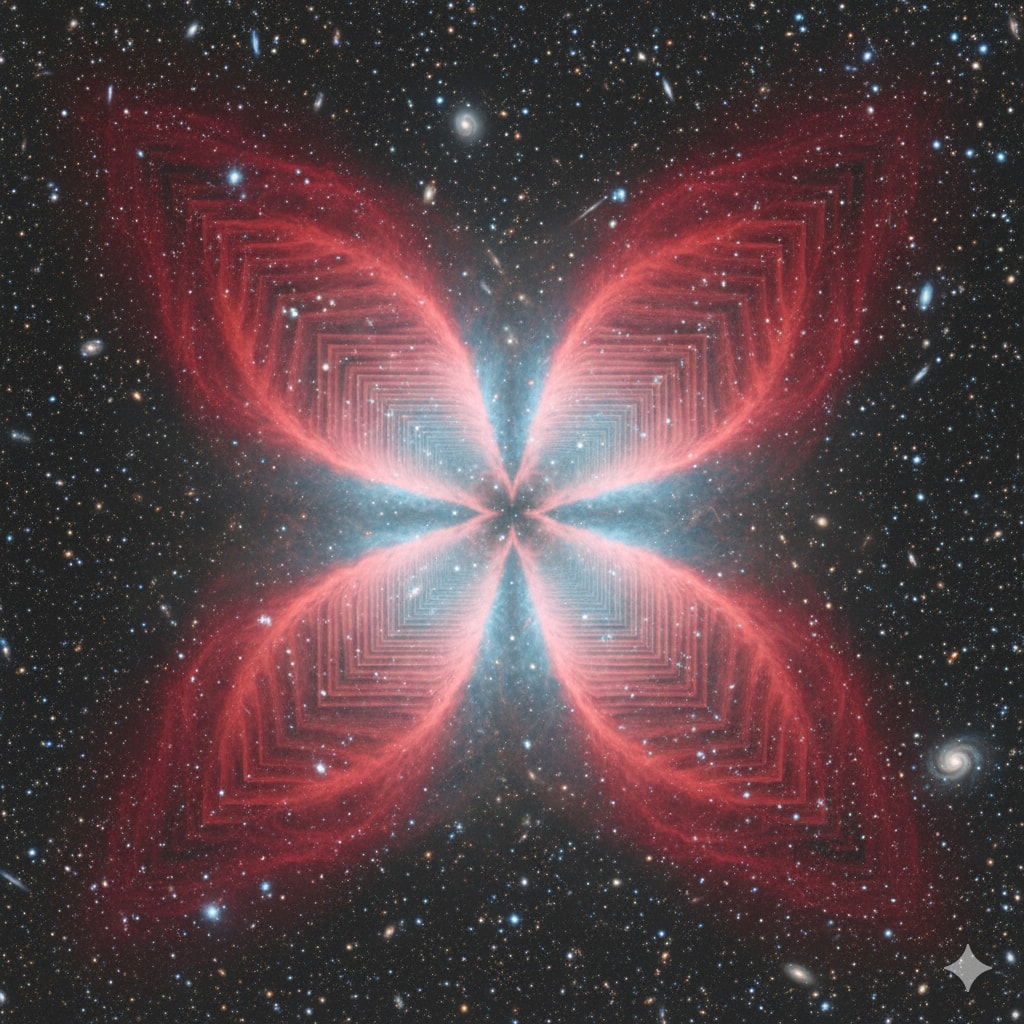
The Red Rectangle Nebula
Located 2,300 light-years away, this nebula's distinctive rectangular shape contradicts typical nebular formations. Its unusual geometry and ladder-like rungs of matter remain unexplained. Scientists believe a binary star system creates this structure, but the precise mechanisms producing such perfect symmetry continue puzzling astronomers studying planetary nebula evolution.
Oumuamua
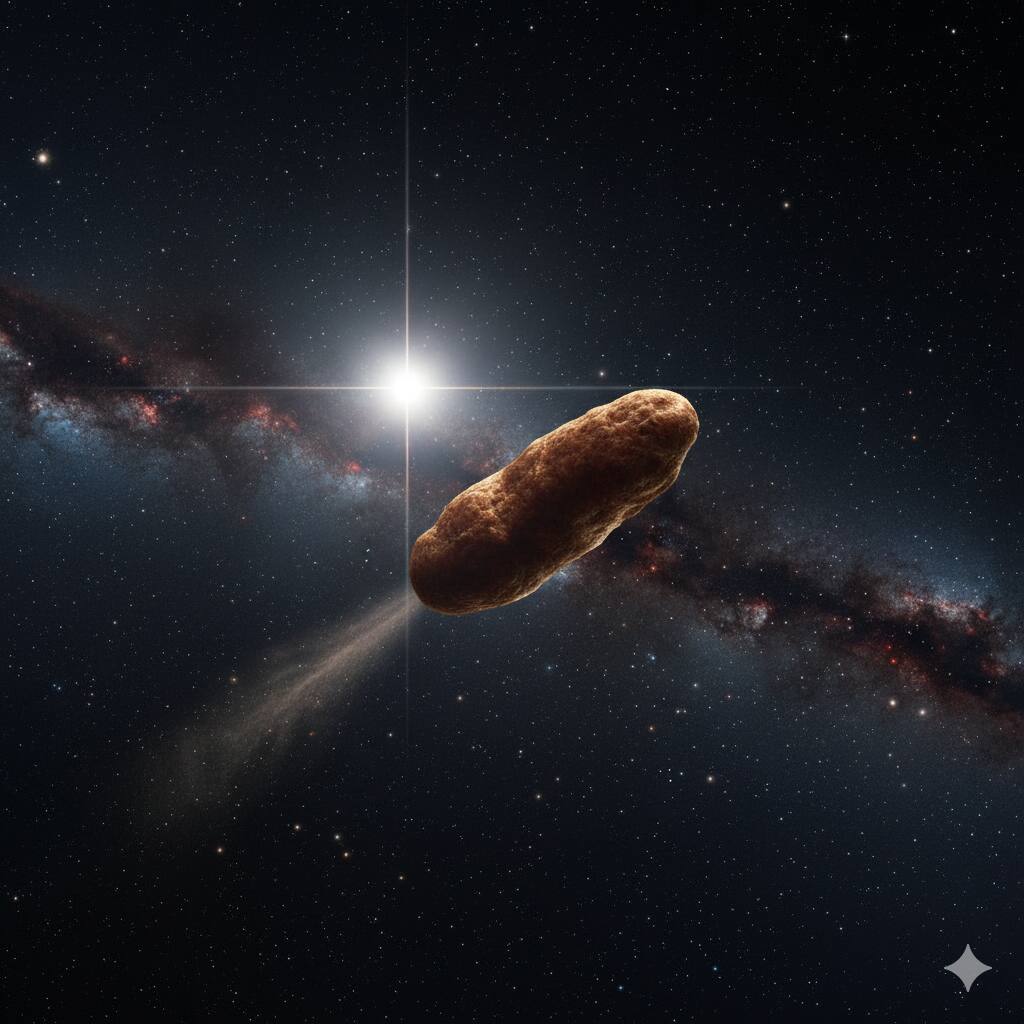
Oumuamua
This cigar-shaped interstellar object tumbled through our solar system in 2017, exhibiting peculiar acceleration that defied conventional explanations. Neither clearly a comet nor asteroid, Oumuamua's origin and composition remain debated. Its unexpected trajectory sparked theories ranging from outgassing to more speculative ideas, making it astronomy's most puzzling visitor.
Planet Nine
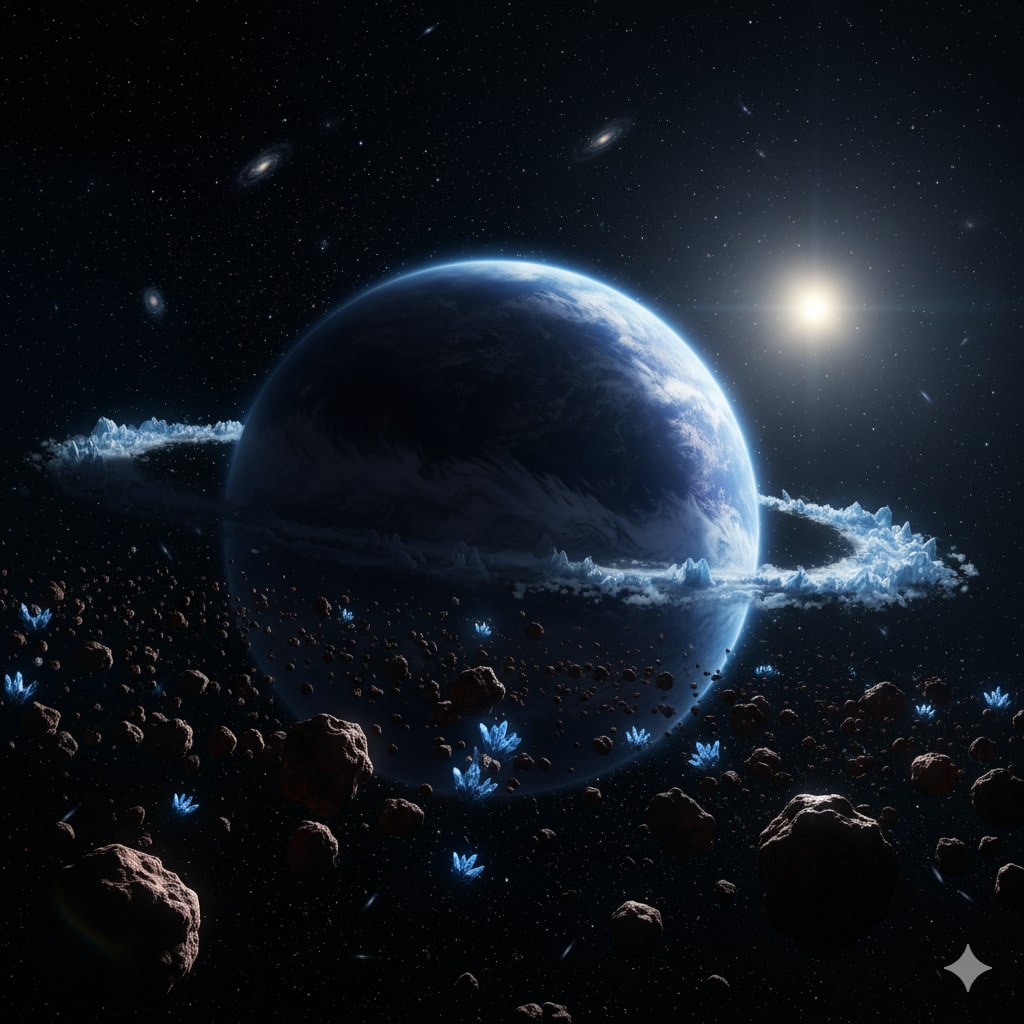
Planet Nine
Evidence suggests a massive planet lurks in our solar system's outer reaches, approximately ten times Earth's mass. Gravitational influences on distant objects hint at its existence, yet Planet Nine remains unobserved. Astronomers calculate its potential orbit spans 10,000-20,000 years, making detection extraordinarily challenging in the dark depths beyond Neptune.
Galaxy X
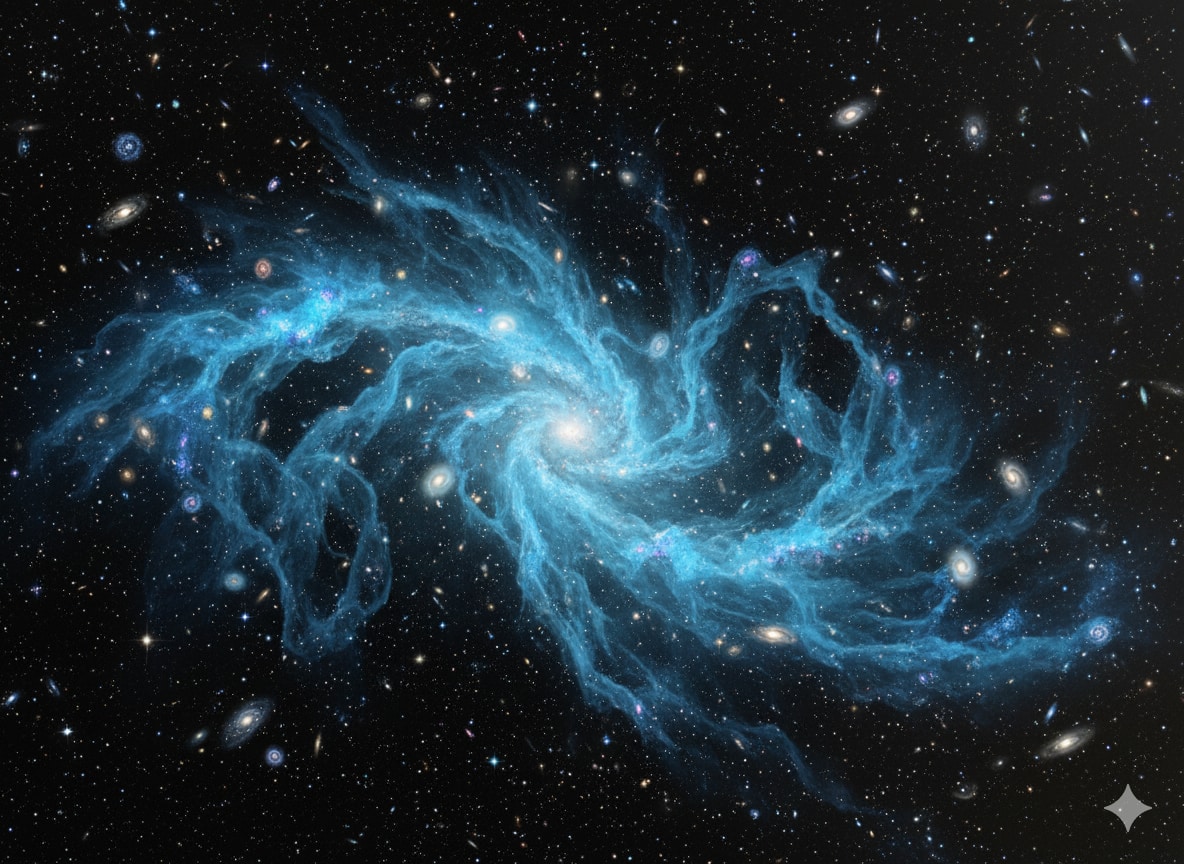
Galaxy X
This suspected dwarf galaxy hides behind the Milky Way's disk, detectable only through gravitational effects and hydrogen signatures. Galaxy X's obscured position makes direct observation nearly impossible, yet its gravitational pull on visible matter suggests substantial mass. Understanding this hidden neighbor could reveal secrets about galactic formation and dark matter.
Elst-Pizarro
Elst-Pizarro
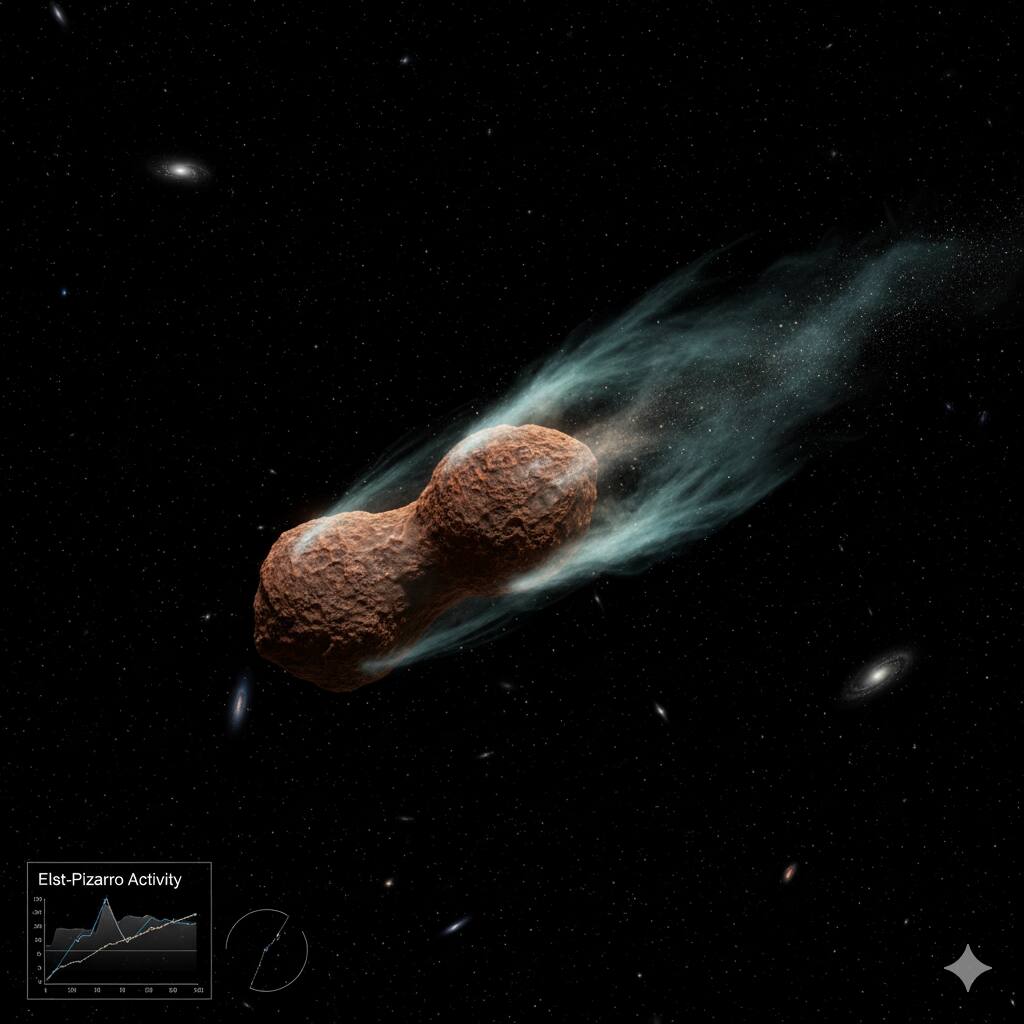
This hybrid object blurs the line between asteroid and comet, residing in the asteroid belt while displaying comet-like tails. Discovered in 1996, Elst-Pizarro challenges classification systems, exhibiting periodic activity suggesting ice sublimation. This rare main-belt comet provides crucial insights into water distribution throughout the early solar system's formation.
Tabby's Star
Tabby's Star
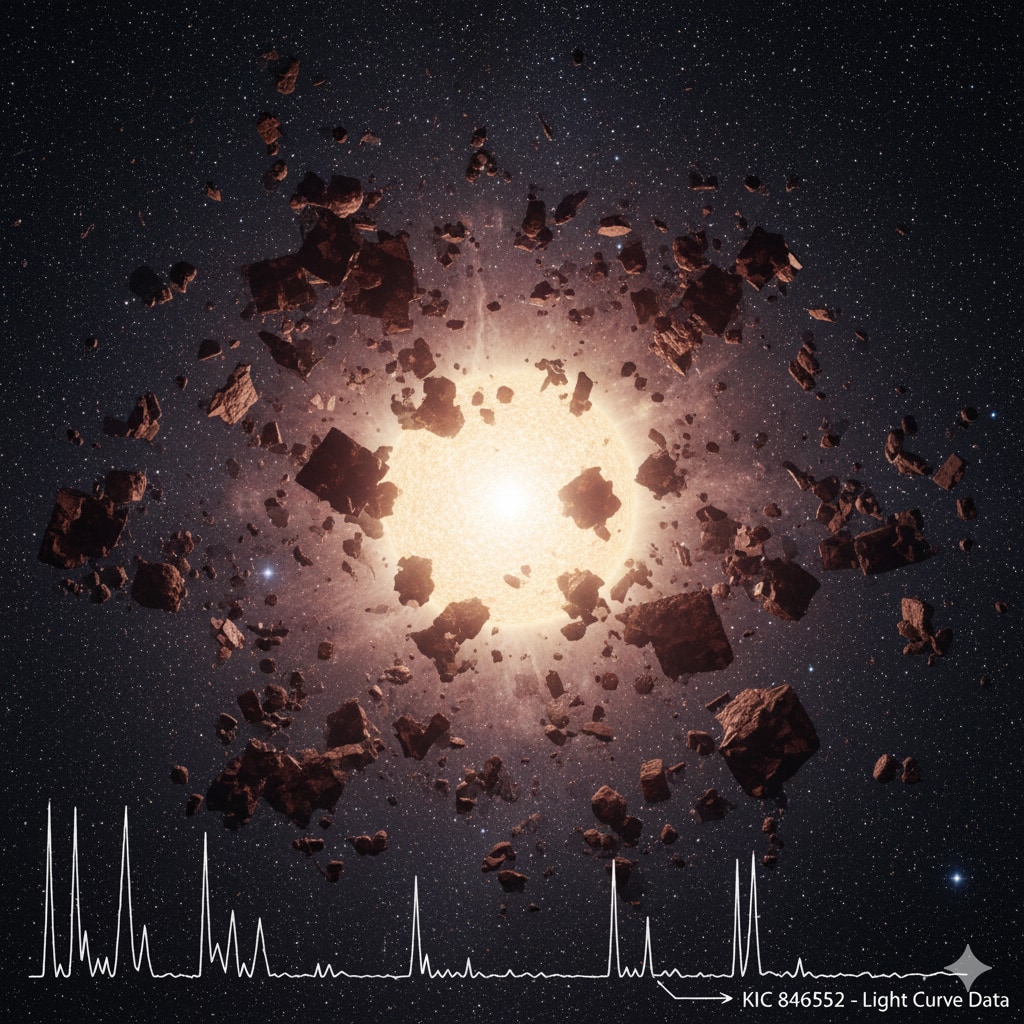
KIC 8462852 exhibits bizarre, irregular dimming patterns unlike any known star. Its light fluctuates dramatically and unpredictably, with drops reaching 22 percent brightness. Theories range from dust clouds to disintegrating planets, with more imaginative suggestions including alien megastructures. Tabby's Star remains astronomy's most perplexing stellar enigma.
The Wow! Signal Source
The Wow! Signal Source
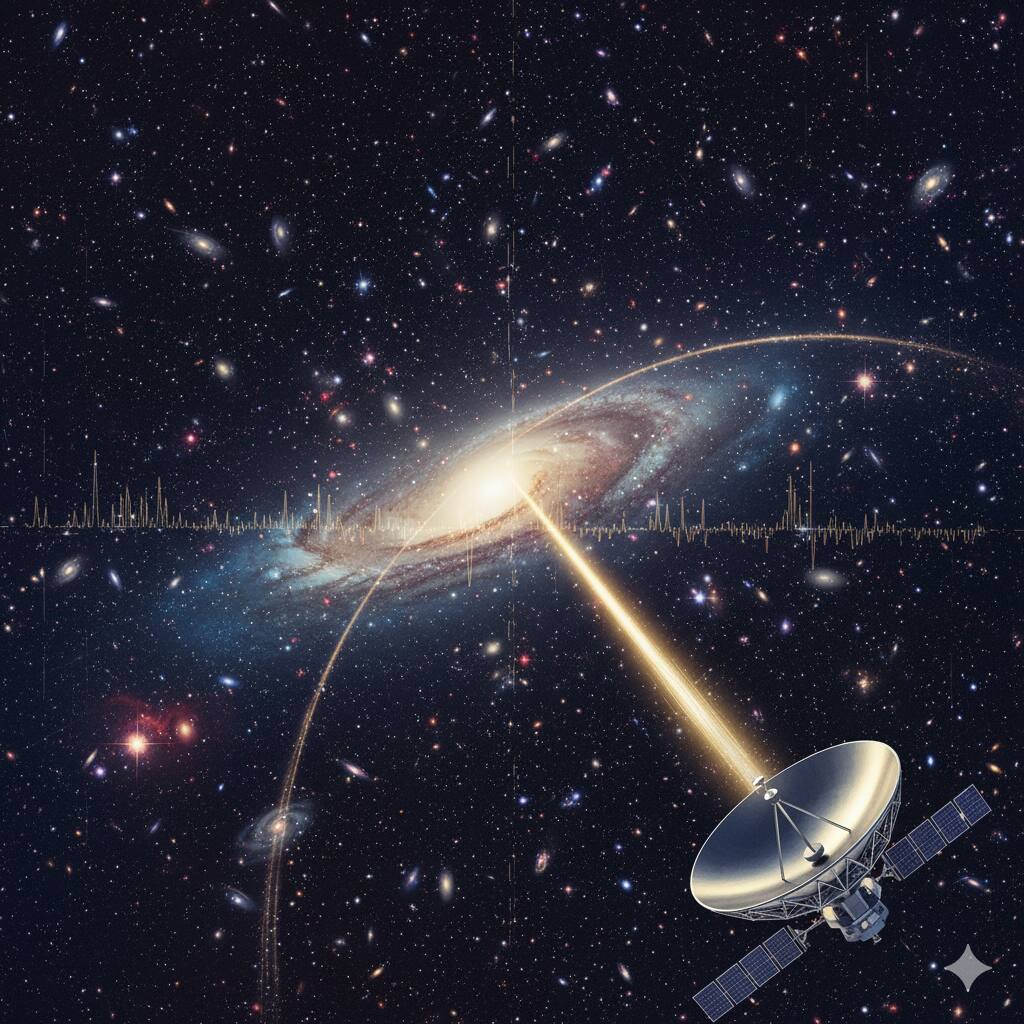
On August 15, 1977, a radio telescope detected a powerful 72-second signal originating from the direction of Sagittarius. Astronomer Jerry Ehman famously circled the printout and wrote “Wow!”—giving the signal its name. The narrowband transmission exhibited characteristics consistent with potential extraterrestrial communication. However, despite decades of follow-up observations, the signal has never been repeated, leaving its origin one of the greatest mysteries in SETI history.
Dark Matter Halo
Dark Matter Halo
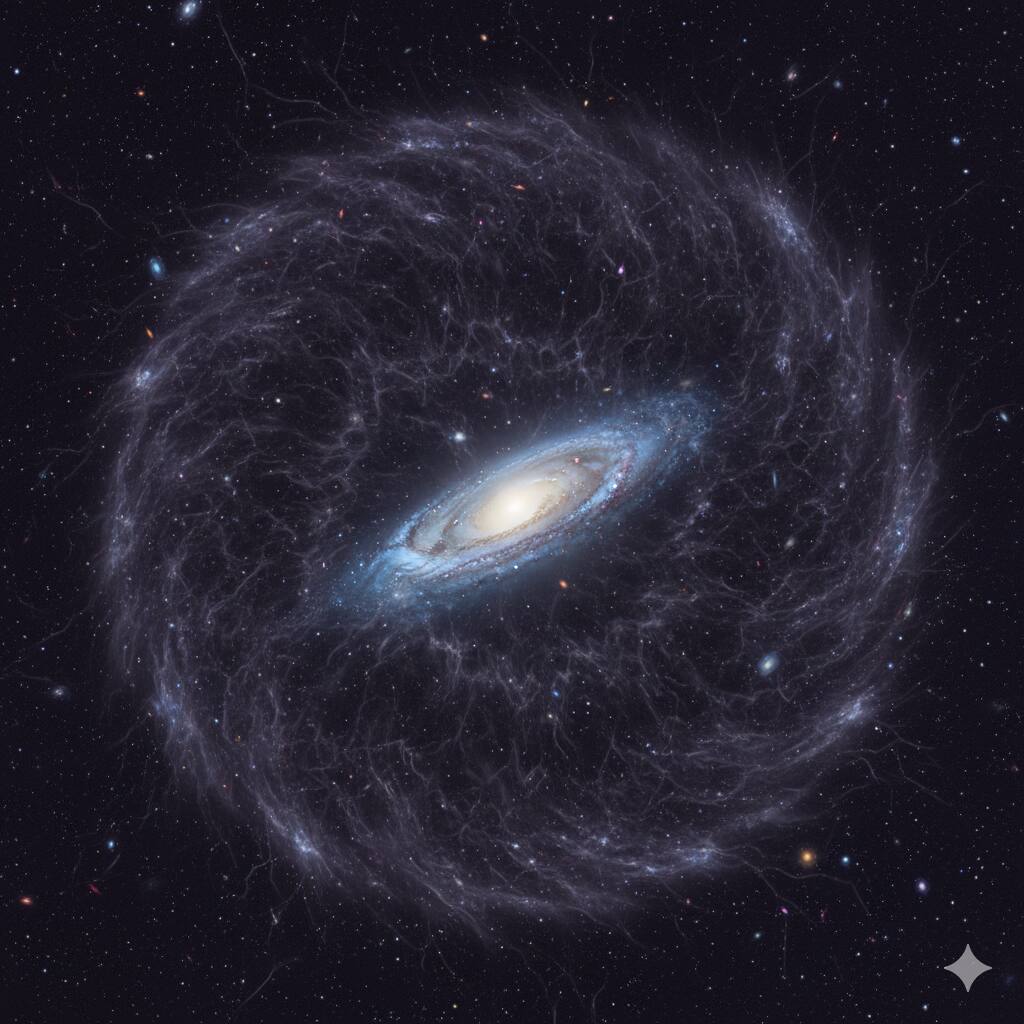
Invisible dark matter halos surround galaxies, providing gravitational scaffolding that holds them together. Comprising 85 percent of the universe's matter, dark matter cannot be directly observed, only inferred through gravitational effects. Understanding these halos is crucial for comprehending cosmic structure, galaxy formation, and the universe's fundamental composition.
The Boomerang Nebula
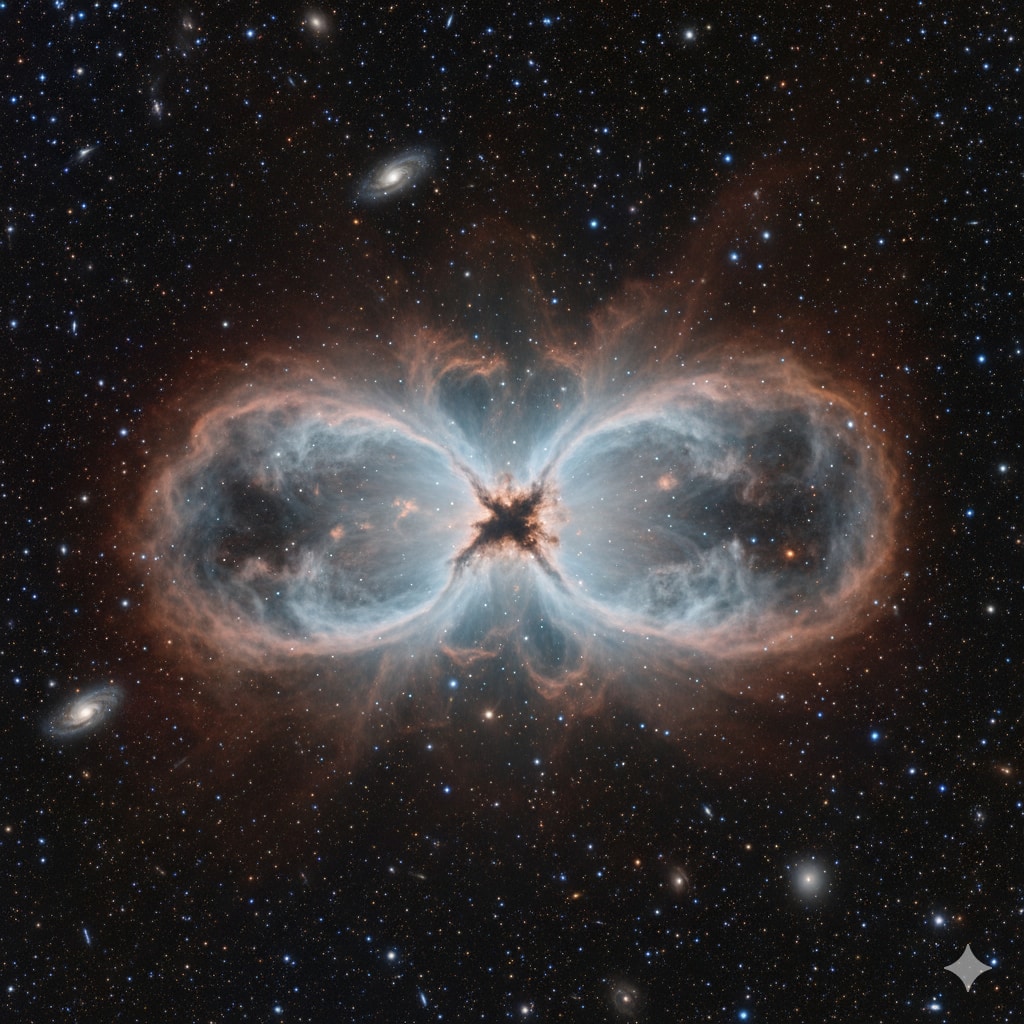
The Boomerang Nebula
At just one degree Kelvin, the Boomerang Nebula is the coldest known natural place in the universe—colder even than the cosmic microwave background. Located about 5,000 light-years away, its extreme temperature is caused by rapidly expanding gases. The nebula’s unusual thermal properties continue to challenge scientists’ understanding of how stars evolve and die.