


Architectural Wonders: 8 Strongest And Most Resilient Buildings That Withstand Natural Disasters And Time
Architecture has advanced significantly, with architects creating stunning buildings designed for resilience against natural disasters, weather, and time.

Architecture has evolved over the centuries, with engineers and architects pushing the limits of design and durability to create buildings that are not only beautiful but also incredibly resilient to natural disasters, weather, and time itself. Some of the world’s most impressive structures have been built with unique technologies, materials, and engineering feats to withstand the forces of nature, human activity, and time.
We’ll explore 8 of the strongest and most resilient buildings in the world, showcasing incredible examples of human ingenuity and architectural excellence.
Burj Khalifa, Dubai, UAE
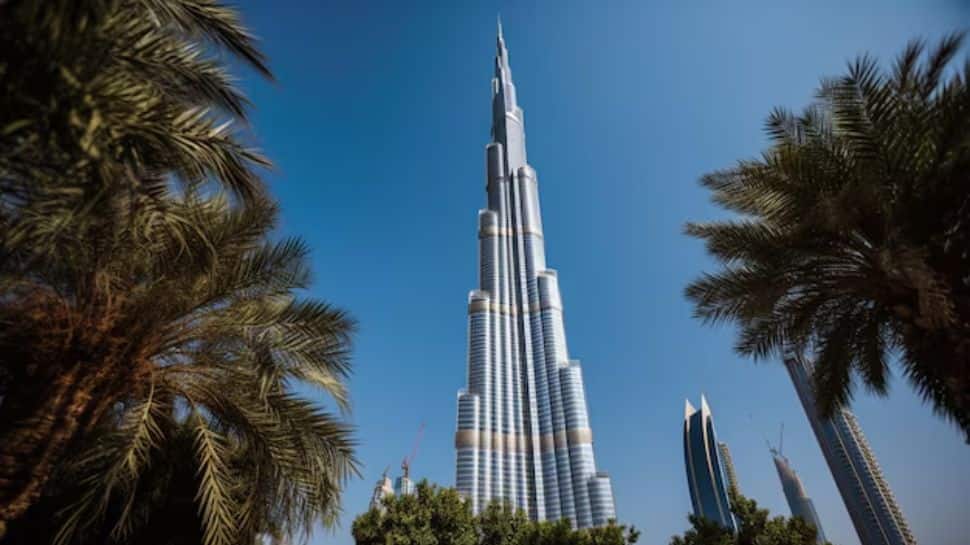
Height: 828 meters (2,717 feet)
As the tallest building in the world, the *Burj Khalifa* is a true feat of modern engineering and design. Standing at over half a mile tall, this skyscraper not only pushes the boundaries of height but also demonstrates strength and resilience in a harsh environment.
Key Features: - Built to withstand high winds and earthquakes, the Burj Khalifa features a unique Y-shaped design that reduces wind resistance. - Its foundation is made up of reinforced concrete piles that extend 50 meters into the ground, making it one of the strongest foundations ever created. - The structure’s sleek design minimizes air turbulence, making it resistant to natural forces.
Why It’s Resilient: The Burj Khalifa's architectural design, materials, and innovative construction methods ensure that it remains one of the most stable and resilient buildings in the world, even in extreme conditions.
The Pentagon, Arlington, Virginia, USA

Height: 23 meters (77 feet)
The Pentagon is not only a symbol of U.S. military power but also one of the most resilient buildings in the world. Known for its distinct five-sided shape, this government building was constructed with both security and durability in mind.
Key Features: - Built with reinforced concrete and steel, the Pentagon can withstand significant impacts. - It was designed to endure attacks, including potential aircraft collisions, as it is a high-priority target. - After the 9/11 attacks, the Pentagon underwent extensive rebuilding and strengthening to ensure its structural resilience.
Why It’s Resilient: The Pentagon's robust structure, reinforced steel beams, and specialized construction make it one of the most secure and resilient buildings in the world.
Taipei 101, Taipei, Taiwan

Height: 508 meters (1,667 feet)
The Taipei 101 was once the tallest building in the world and remains one of the most remarkable examples of earthquake-resistant architecture. Located in one of the most seismically active areas on Earth, this skyscraper was built to withstand high winds and earthquakes.
Key Features: - A massive tuned mass damper, a 660-ton ball, is installed at the top of the building to counteract seismic activity and high winds. - The building's flexible structure allows it to sway without causing structural damage during earthquakes. - Taipei 101 was designed with strong foundations to cope with the region’s frequent earthquakes.
Why It’s Resilient: The combination of advanced engineering techniques, a tuned mass damper, and earthquake-resistant technology allows Taipei 101 to remain stable even in the event of significant seismic activity.
The Great Wall of China, China
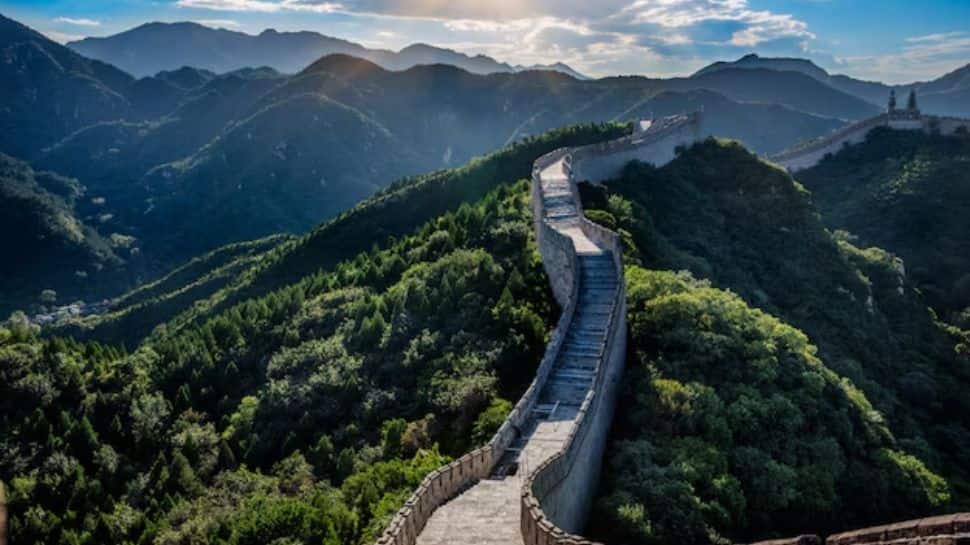
Length: Over 21,000 kilometers (13,000 miles)
One of the world’s most iconic and ancient structures, the Great Wall of China is also one of the strongest buildings in terms of historical resilience. Built over several centuries, it was designed to withstand both time and human conflict.
Key Features: - The wall was constructed using a variety of materials such as brick, stone, and earth, which contributed to its lasting strength. - Its strategic design included watchtowers, trenches, and fortifications to protect against invaders. - The Great Wall has endured harsh weather conditions, wars, and even earthquakes over centuries.
Why It’s Resilient: The Great Wall’s enduring strength is a result of its thoughtful construction and the use of materials that were suited to the diverse terrains and harsh weather conditions it traverses.
Petronas Towers, Kuala Lumpur, Malaysia

Height: 452 meters (1,483 feet)
The Petronas Towers are an engineering marvel and are considered to be among the most resilient buildings globally. These twin towers stand as an iconic symbol of Malaysia and were the tallest buildings in the world from 1998 to 2004.
Key Features: - Built with a combination of steel, concrete, and glass, the towers are engineered to withstand high winds, especially given Kuala Lumpur’s tropical climate. - The towers' foundations are supported by 104 piles that go deep into the earth, allowing them to remain stable. - The skyscrapers are designed to sway gently in strong winds without compromising safety or integrity.
Why It’s Resilient: The combination of state-of-the-art engineering, strong materials, and the building’s design ensures that the Petronas Towers are safe even in high winds and earthquakes.
Burj Al Arab, Dubai, UAE

Height: 321 meters (1,050 feet)
The Burj Al Arab is a luxury hotel known for its distinctive sail-like design. Its location on an artificial island in the Persian Gulf requires the building to be exceptionally resilient to the forces of nature, particularly storms and high winds.
Key Features: - The structure is built on a man-made island and uses an intricate system of columns and foundations to support the building in the sea. - Its design allows for maximum stability against powerful winds and waves, with the building’s shape acting as a natural wind deflector. - The hotel is also engineered to withstand seismic activity, including potential earthquakes.
Why It’s Resilient: The Burj Al Arab’s unique foundation system and aerodynamic shape enable it to endure challenging weather conditions, including high winds and heavy storms.
The Empire State Building, New York City, USA

Height: 443 meters (1,454 feet)
As one of the most recognizable skyscrapers in the world, the *Empire State Building* has withstood both time and adversity since it was completed in 1931. It remains one of the most resilient buildings in terms of enduring storms, earthquakes, and even plane crashes.
Key Features: - Constructed with steel and reinforced concrete, the building was designed to withstand high winds, and its foundation extends deep into the earth. - After the 1945 plane crash, the Empire State Building's steel frame was proven to be incredibly resilient, as the building did not collapse or suffer major damage. - The building is also designed to handle fluctuations in temperature, which helps prevent cracks or other forms of deterioration.
Why It’s Resilient: The Empire State Building's robust materials, deep foundation, and engineering adaptations have ensured its resilience over nearly a century.
The Colosseum, Rome, Italy
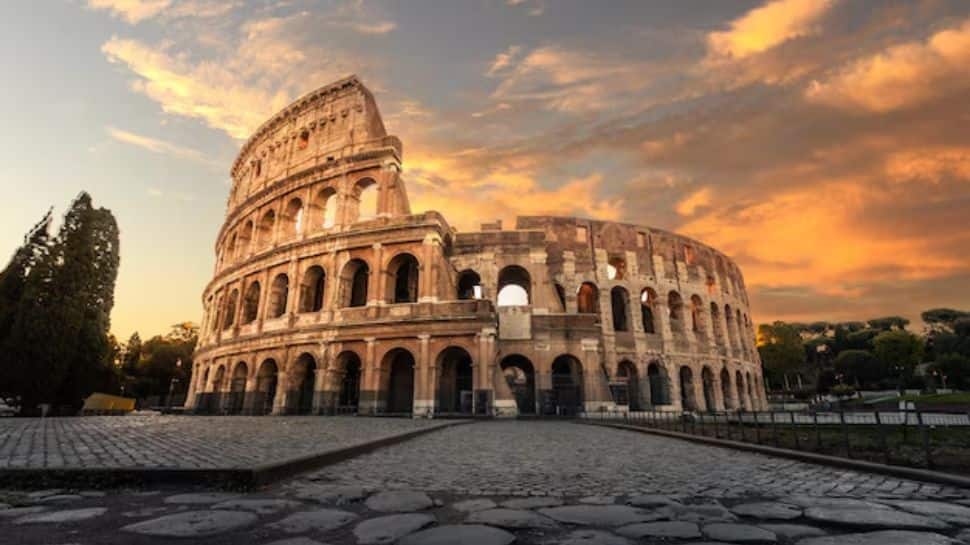
Height: 48 meters (157 feet)
The Colosseum in Rome, an ancient Roman amphitheater, is a remarkable example of durability and resilience. Built nearly 2,000 years ago, this architectural marvel has withstood earthquakes, fires, and the ravages of time.
Key Features: - The Colosseum’s structure is made from concrete and stone, which has allowed it to survive for centuries. - Despite several earthquakes, parts of the Colosseum have remained standing, thanks to its sturdy design and construction methods. - Modern restoration efforts have preserved the integrity of the structure, ensuring its continued resilience.
Why It’s Resilient: The Colosseum’s strong materials, historical preservation efforts, and strategic design have allowed it to stand the test of time and natural disasters.

The world’s most resilient buildings not only showcase the creativity and brilliance of architects and engineers but also serve as symbols of human ingenuity and determination. From towering skyscrapers in modern cities to ancient structures that have stood for millennia, these buildings prove that with the right design, materials, and planning, architecture can defy the forces of nature and stand the test of time. Each of these buildings is a testament to what can be achieved when resilience is at the heart of design.