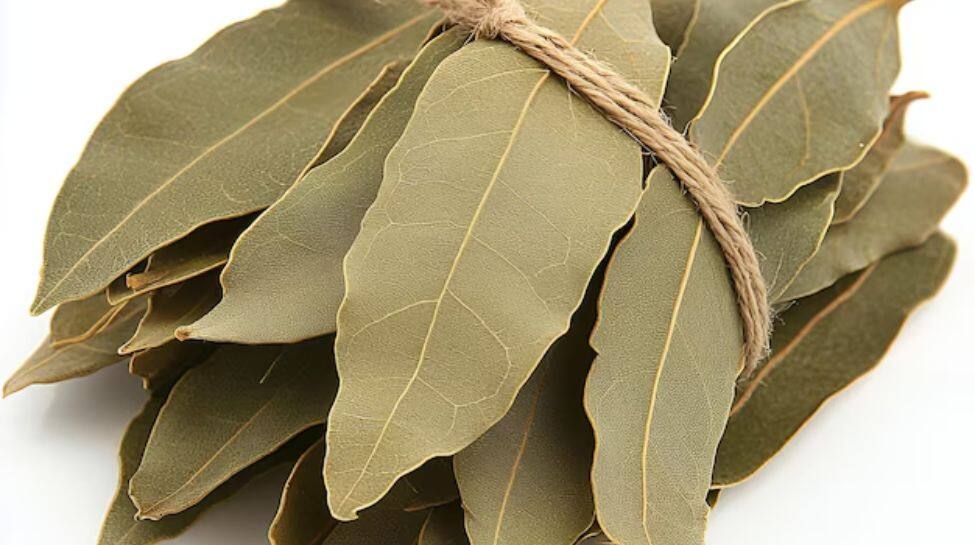
How To Grow Tej Patta In Your Balcony Or Kitchen Garden? Follow Step- By- Step Guide To Grow Tej Patta At Home

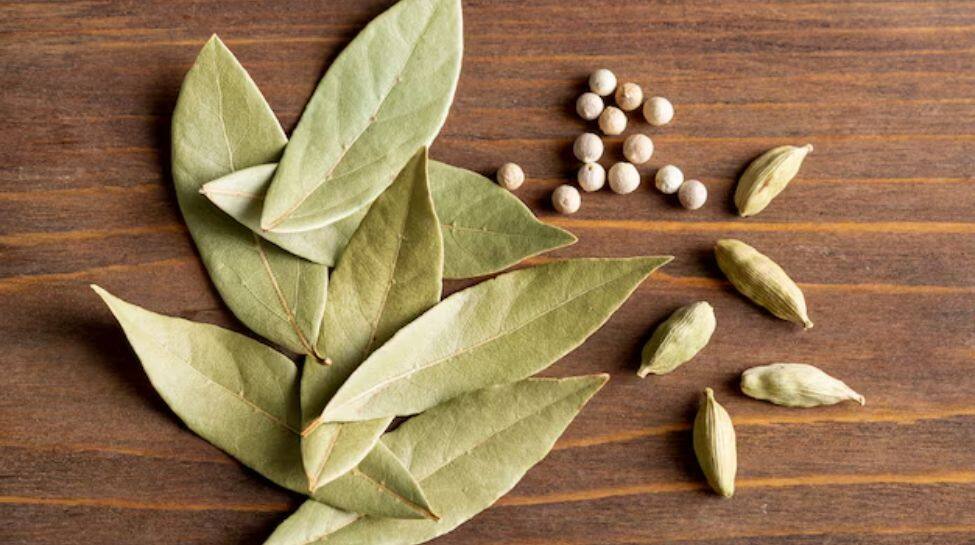
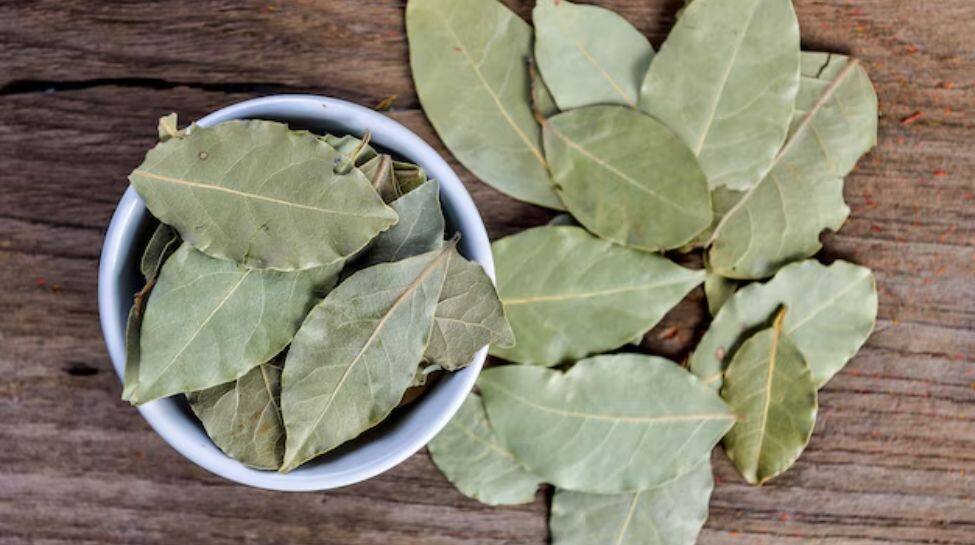
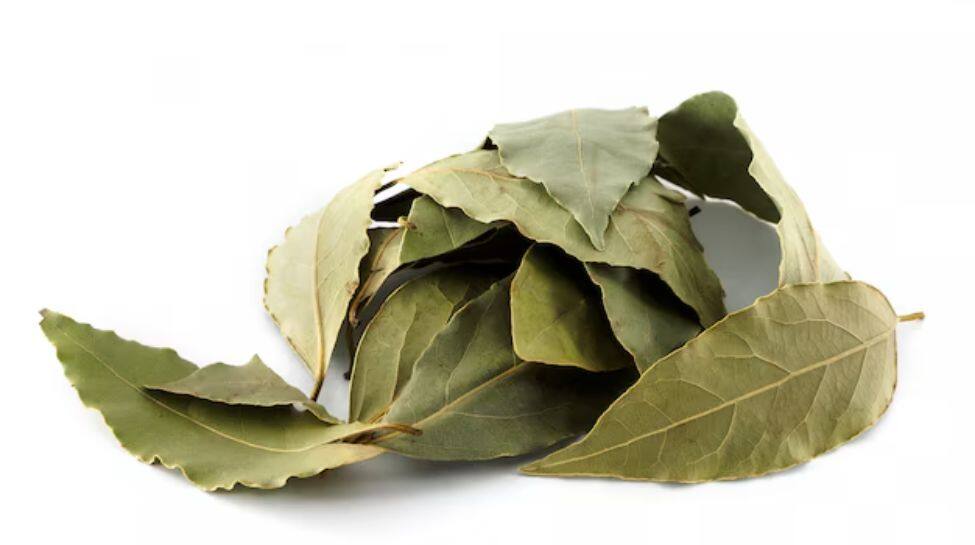
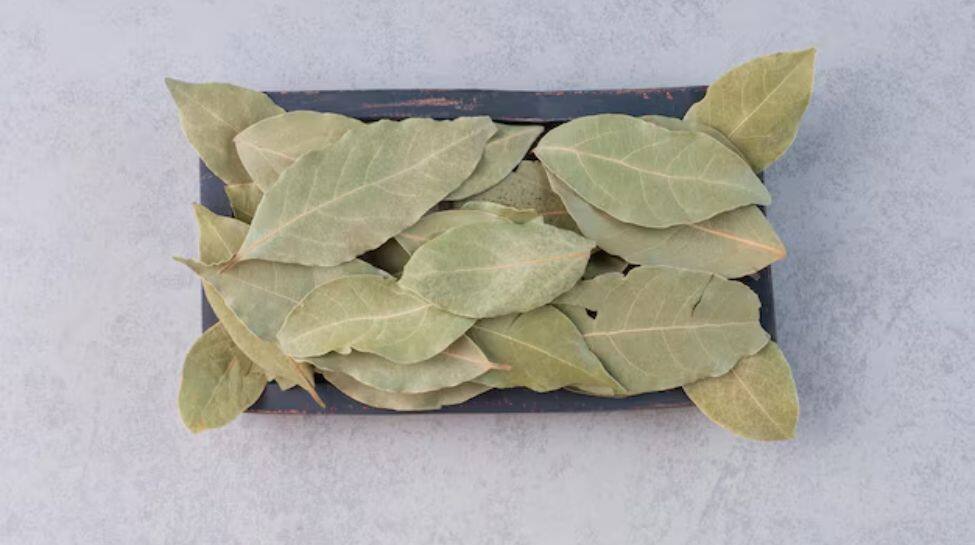
Growing tej patta (bay leaves) at home is an excellent way to ensure a steady supply of fresh, aromatic leaves for your culinary and medicinal needs. Whether you have a cozy balcony or a compact kitchen garden, bay laurel plants are versatile, easy to care for, and thrive well in pots.   

Olivia Sarkar | Dec 19, 2024, 08:58 AM IST
1/9

How To Grow Tej Patta In Your Balcony Or Kitchen Garden?
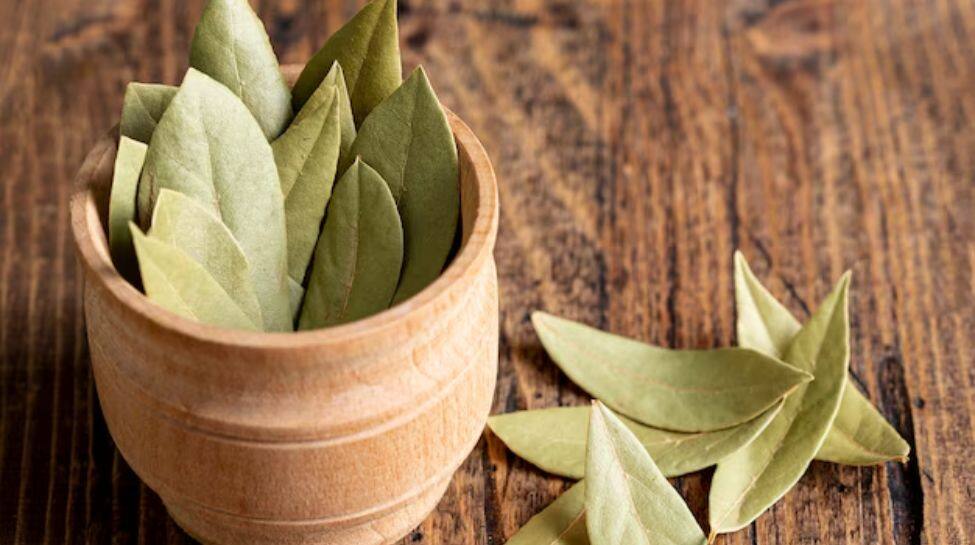
With the right conditions, a little patience, and a step-by-step guide, you can transform your space into a lush green corner filled with these fragrant leaves. Let’s dive into the simple process of planting and nurturing tej patta in your home garden!


2/9

Essential Requirements:

Pot size: Large containers (at least 18-24 inches deep). Soil: Well-draining soil with a neutral pH. Light: Full sun to partial shade (4-8 hours of sunlight). Watering: Moderate; allow the topsoil to dry between watering


3/9

Choose a Starter Plant:

Bay leaves are best grown from saplings, as germination from seeds is slow. Buy a healthy sapling from a trusted nursery.


4/9

Potting

Use a large pot with drainage holes and fill it with a mixture of garden soil and compost (2:1 ratio). Place the sapling in the center and cover the roots with soil.


5/9

Watering

Water the plant sparingly to prevent root rot. During summer, water once a week; reduce frequency in winter.


6/9

Fertilizing

Use organic fertilizers or slow-release nitrogen-based fertilizers every 2-3 months.


7/9

Pruning

Prune the plant annually to maintain its shape and promote healthy growth. Harvest mature leaves by snipping them off carefully.


8/9

Pest Control:

Bay trees are generally pest-resistant, but if needed, use neem oil or soapy water to remove pests.


9/9

General Tips:

Container Placement: Ensure the pots are placed in a well-ventilated area with adequate sunlight. Winter Care: Move the pots indoors or to a sheltered spot during extreme winters. Regular Monitoring: Check for signs of yellowing leaves, which may indicate overwatering or nutrient deficiency.


Most Popular