


PM Modi’s Air India One Vs Pakistani PM’s Gulfstream IV: ‘Flying Fortress’ Vs Travel Jet
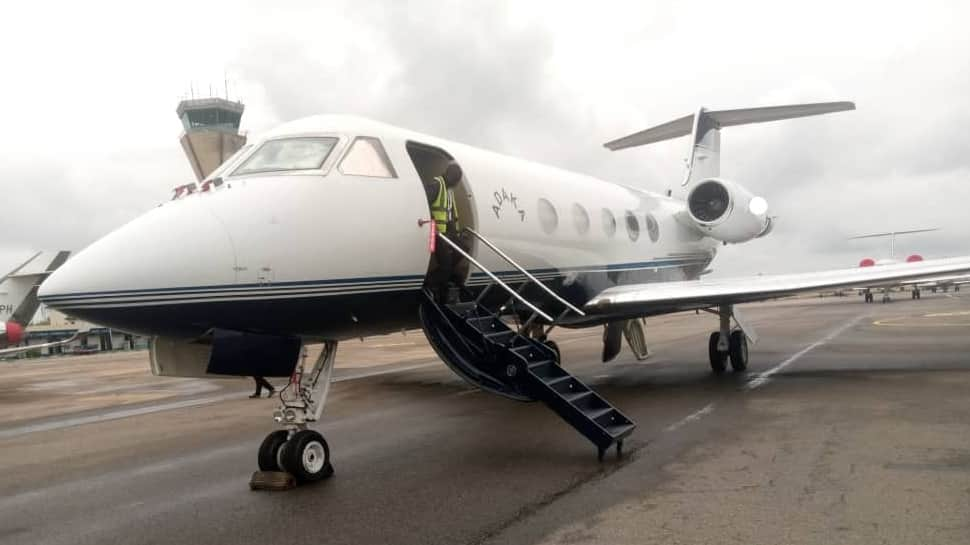
Modi's Air India One vs Sharif's Gulfstreamm IV: When it comes to VVIP air travel, the aircraft itself reflects not only prestige but also technological superiority and security preparedness. Prime Minister Narendra Modi’s Air India One, a custom Boeing 777-300ER, stands in stark contrast to the Gulfstream IV jet used by Pakistan’s Prime Minister. The two leaders' planes were filmed in Tianjin of China recently during the SCO Summit, showing a stark contrast between the two planes.
Boeing vs Gulfstream IV
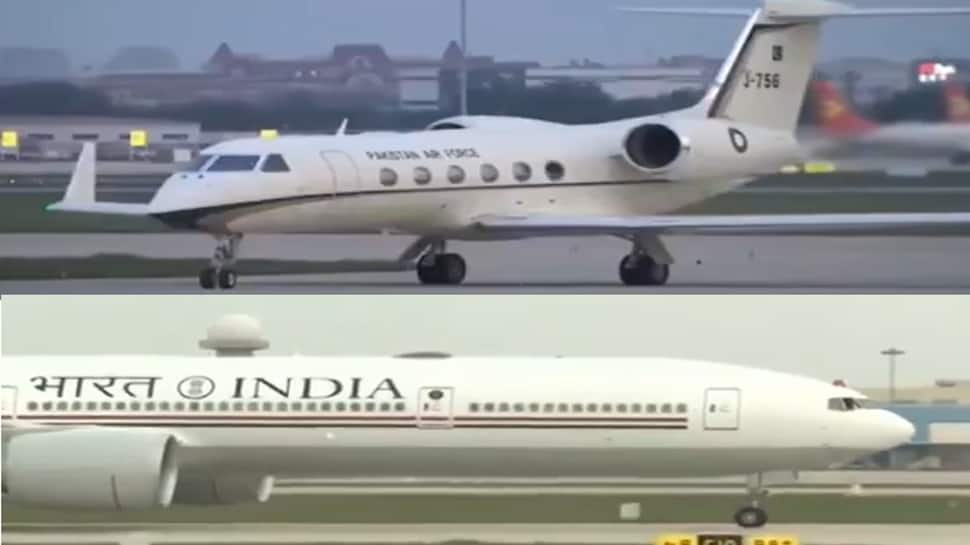
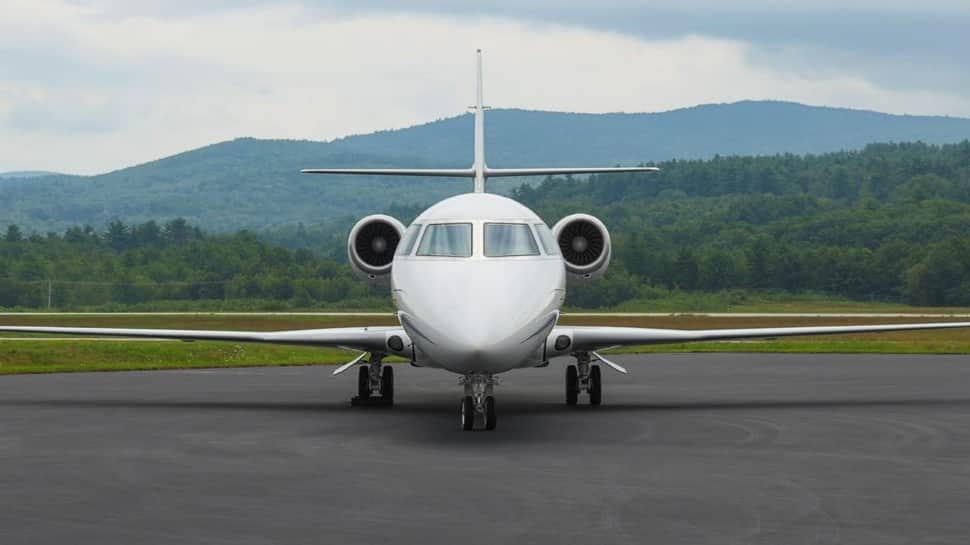
Air India One, based on the Boeing 777-300ER platform, is a wide-body, long-range aircraft that has been completely reconfigured for VVIP use. Its white-and-orange livery and the prominent national emblem give it an unmistakable presence, projecting grandeur and authority wherever it lands. In contrast, the Pakistani Prime Minister’s Gulfstream IV is a mid-sized business jet. Sleek and narrow, it resembles a private executive aircraft more than a state leader’s flagship jet. While it carries an understated elegance, it lacks the imposing stature of Modi’s aircraft.
Extensive Modification
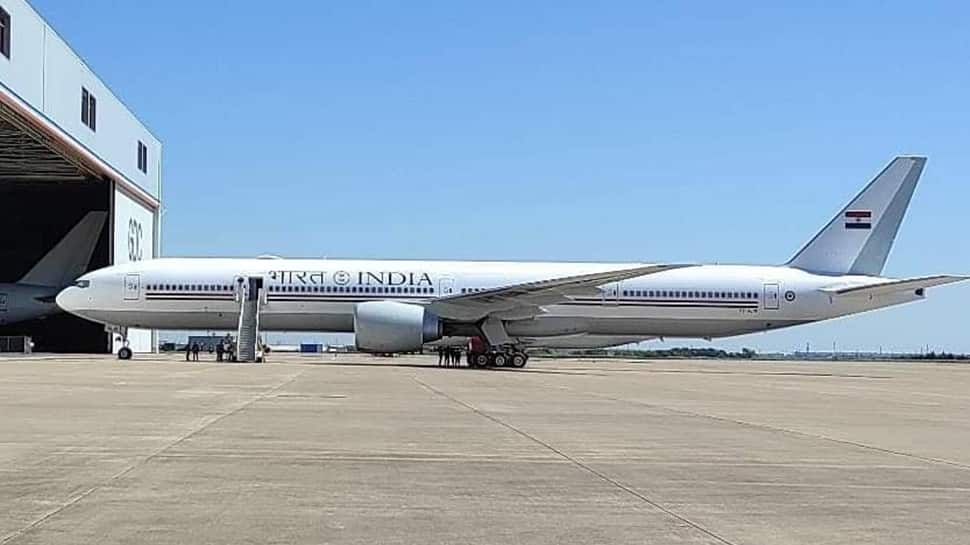
The Boeing 777s used for Air India One were built in the United States by Boeing and then underwent extensive modifications to meet India’s security and diplomatic needs. The aircraft includes reinforced structures, specialised avionics, and secure communication suites, allowing the Prime Minister to function seamlessly in flight. The Gulfstream IV, produced by Gulfstream Aerospace, was originally designed as a luxury business jet. Though it has been modestly adapted for official travel, its size restricts the level of customisation, keeping it more in line with comfort-oriented business use rather than high-security statecraft.
Flying Fortress vs Travel Jet
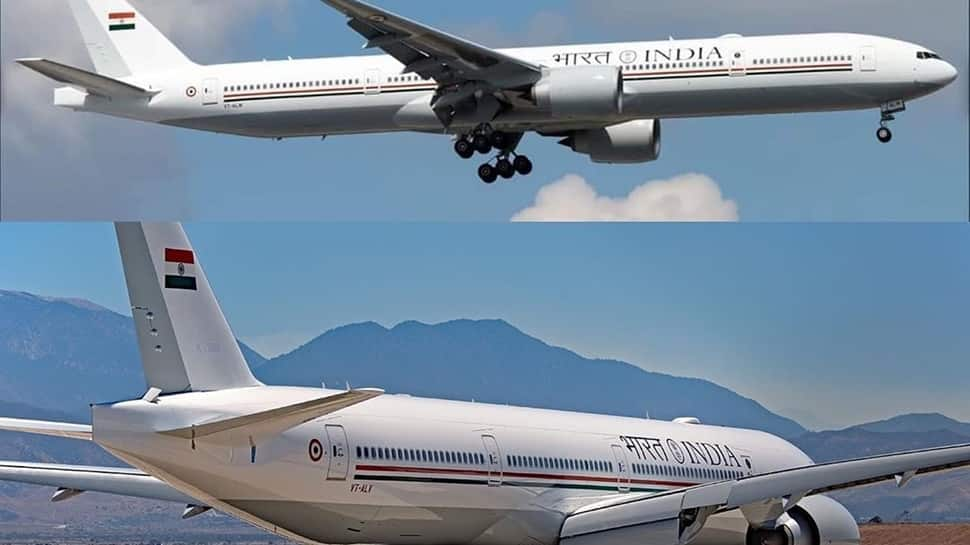
Air India One has often been described as a Flying Fortress, rivalling the American Air Force One in terms of defensive capability. It is equipped with advanced missile-defence systems, radar jammers, and electronic countermeasures that can deflect or neutralise threats in the air. Encrypted communication systems and satellite connectivity turn the jet into an airborne command centre, enabling the Prime Minister to issue orders or monitor military operations while flying. The Gulfstream IV, on the other hand, offers the standard safety features expected of a business jet, but it does not possess the layered defence systems or the airborne command capabilities that Modi’s aircraft carries.
Capacity and Comfort
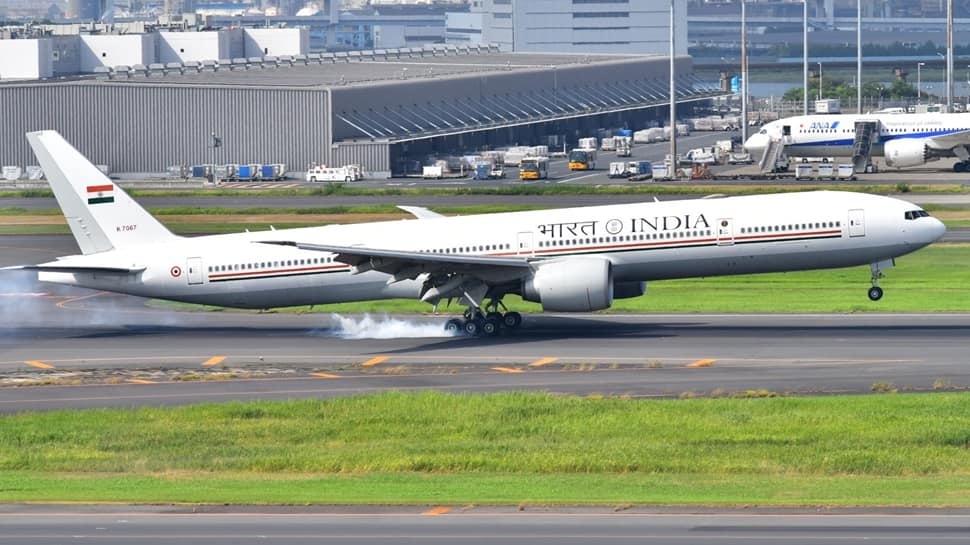
In terms of capacity, Air India One dwarfs its Pakistani counterpart. The Boeing 777 can ordinarily seat more than 300 passengers in a commercial layout, but in its VVIP configuration it has been redesigned to carry the Prime Minister, senior officials, security personnel, and support staff. It includes luxury suites, a dedicated medical centre, a secure conference hall, and several cabin sections for staff and delegates. The Gulfstream IV is designed for much smaller delegations, usually seating between 14 and 18 people. Its interiors are plush and well-appointed, with comfortable seating and meeting tables, but the limited space makes it suitable only for compact entourages.
Range and Refuelling
Air India One is also built for endurance. With a maximum range of around 13,650 kilometres, it can fly non-stop from India to the United States or Europe without the need for refuelling. It is also equipped with in-flight refuelling capabilities if required. The Gulfstream IV, by comparison, has a maximum range of just under 8,000 kilometres, nearly half that of Air India One. This makes it ideal for regional travel within Asia or the Middle East but impractical for long-haul non-stop journeys to destinations such as North America.
Verdict: A Clear Gap
The differences between the two aircraft are stark. Pakistan’s Gulfstream IV reflects modest functionality and a practical approach, suited to short regional trips and small delegations. India’s Air India One, in contrast, is a state-of-the-art airborne fortress, combining luxury, safety, and global reach. The two jets, placed side by side, not only highlight technological and security contrasts but also symbolise the differing global stature and strategic ambitions of the two nations.