Team India's Probable Playing XI vs Australia For IND vs AUS 2nd T20I: Will Arshdeep Singh Get A Chance?
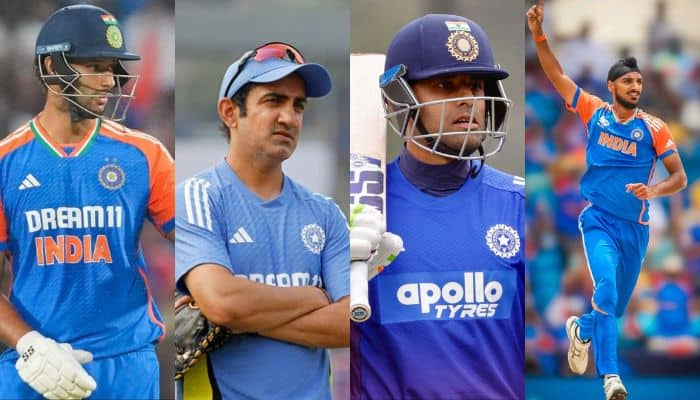
Team India head into the IND vs AUS 2nd T20I at the MCG with critical selection calls in focus after a rain-affected opener. The biggest talking point is whether Arshdeep Singh will replace Harshit Rana as India assess bowling balance for Melbourne’s pace-friendly track. With Jasprit Bumrah confirmed, India may tweak their attack, especially after the spin-heavy approach in Canberra. Under Gautam Gambhir’s aggressive selection strategy, form and role clarity remain key.
Team India head into the IND vs AUS 2nd T20I at the MCG with critical selection calls in focus after a rain-affected opener. The biggest talking point is whether Arshdeep Singh will replace Harshit Rana as India assess bowling balance for Melbourne’s pace-friendly track. With Jasprit Bumrah confirmed, India may tweak their attack, especially after the spin-heavy approach in Canberra. Under Gautam Gambhir’s aggressive selection strategy, form and role clarity remain key. As Suryakumar Yadav and Shubman Gill regain rhythm, India aim for stability and tactical sharpness against a dangerous Australian batting unit in this high-stakes T20 clash.
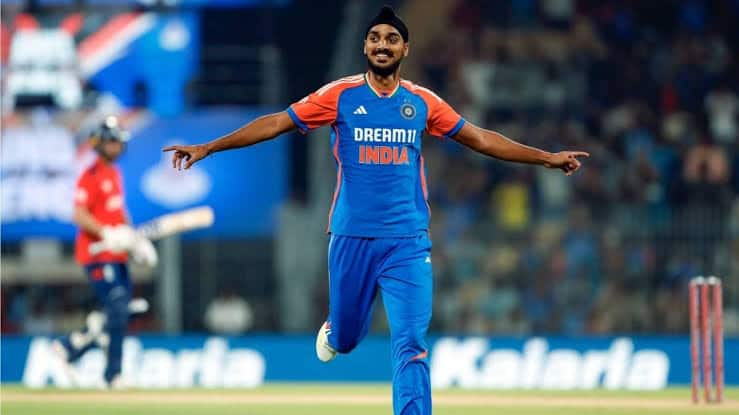
1. Arshdeep Singh’s Selection Under Spotlight
Arshdeep Singh’s exclusion in the 1st T20I surprised many, given his proven ability in powerplay and death overs, making his selection a major talking point ahead of Melbourne.
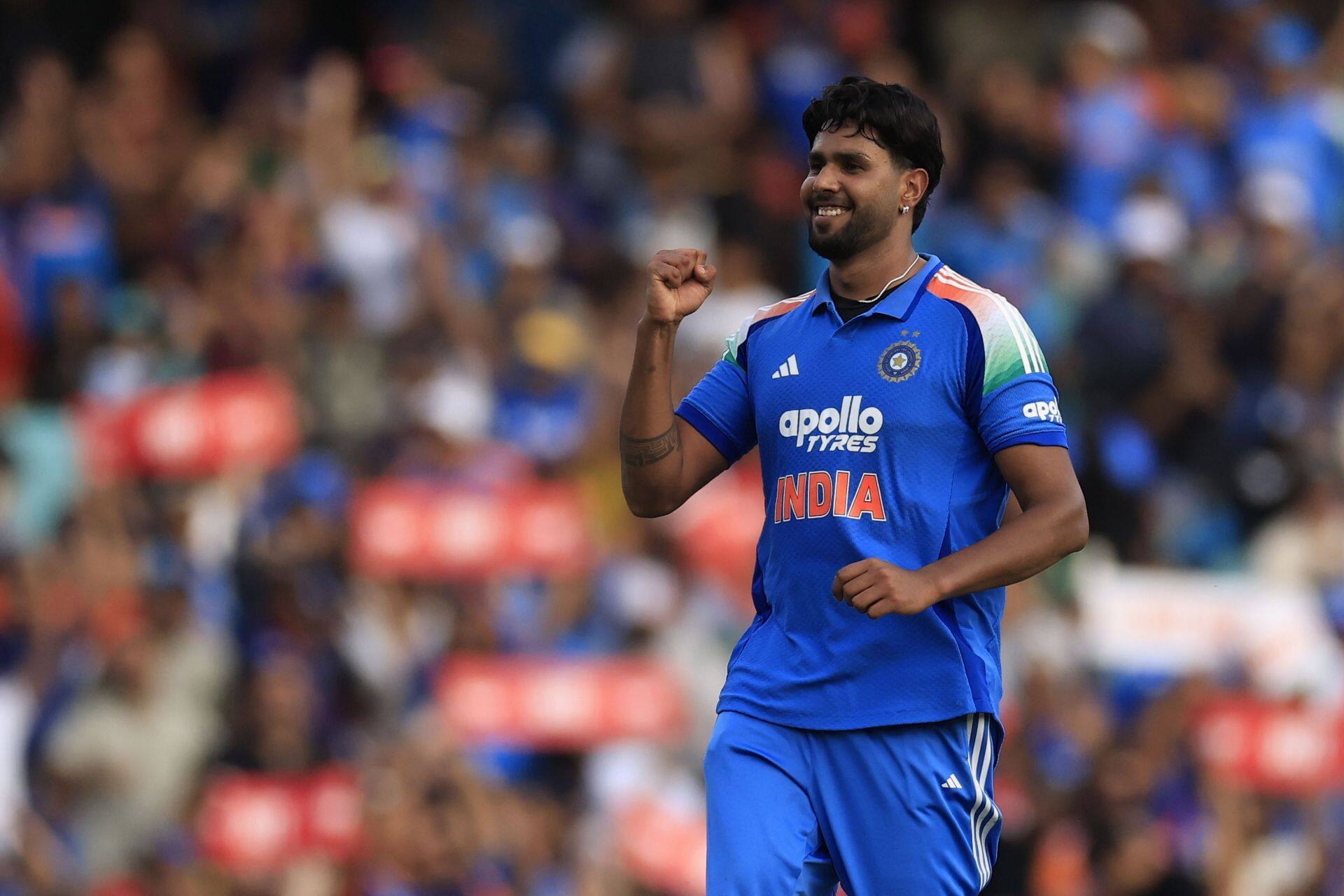
2. Harshit Rana’s Form Intensifies Competition
Harshit Rana’s four-wicket ODI burst against Australia and solid T20 form make the second-seamer slot highly competitive, adding pressure on Arshdeep’s return case.
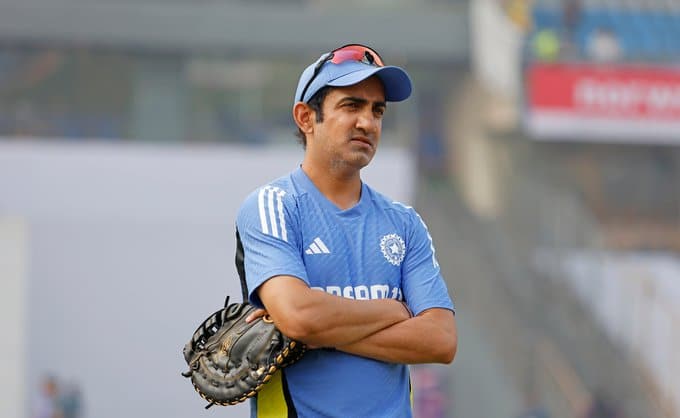
3. Gambhir’s Bold Selection Model Continues
Head coach Gautam Gambhir’s attack-first, performance-based strategy suggests players must earn their place every match, reinforcing India’s aggressive long-term planning.
4. Spin-Heavy Call from Canberra Under Scrutiny
India’s three-spinner experiment in Canberra sparked debate on balance, especially in rain-affected conditions that reduced spin involvement and testing.
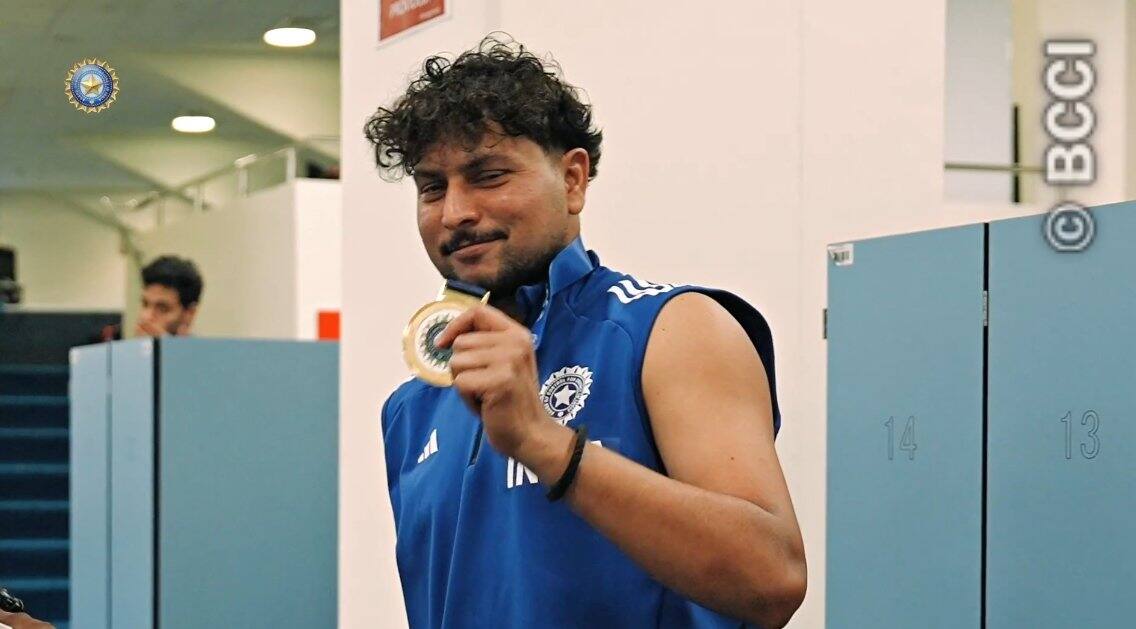
5. MCG Conditions Likely to Favor Pacers
Melbourne traditionally supports bounce and seam movement, increasing the probability of India reinforcing pace and revisiting Arshdeep’s role as a left-arm swing option.
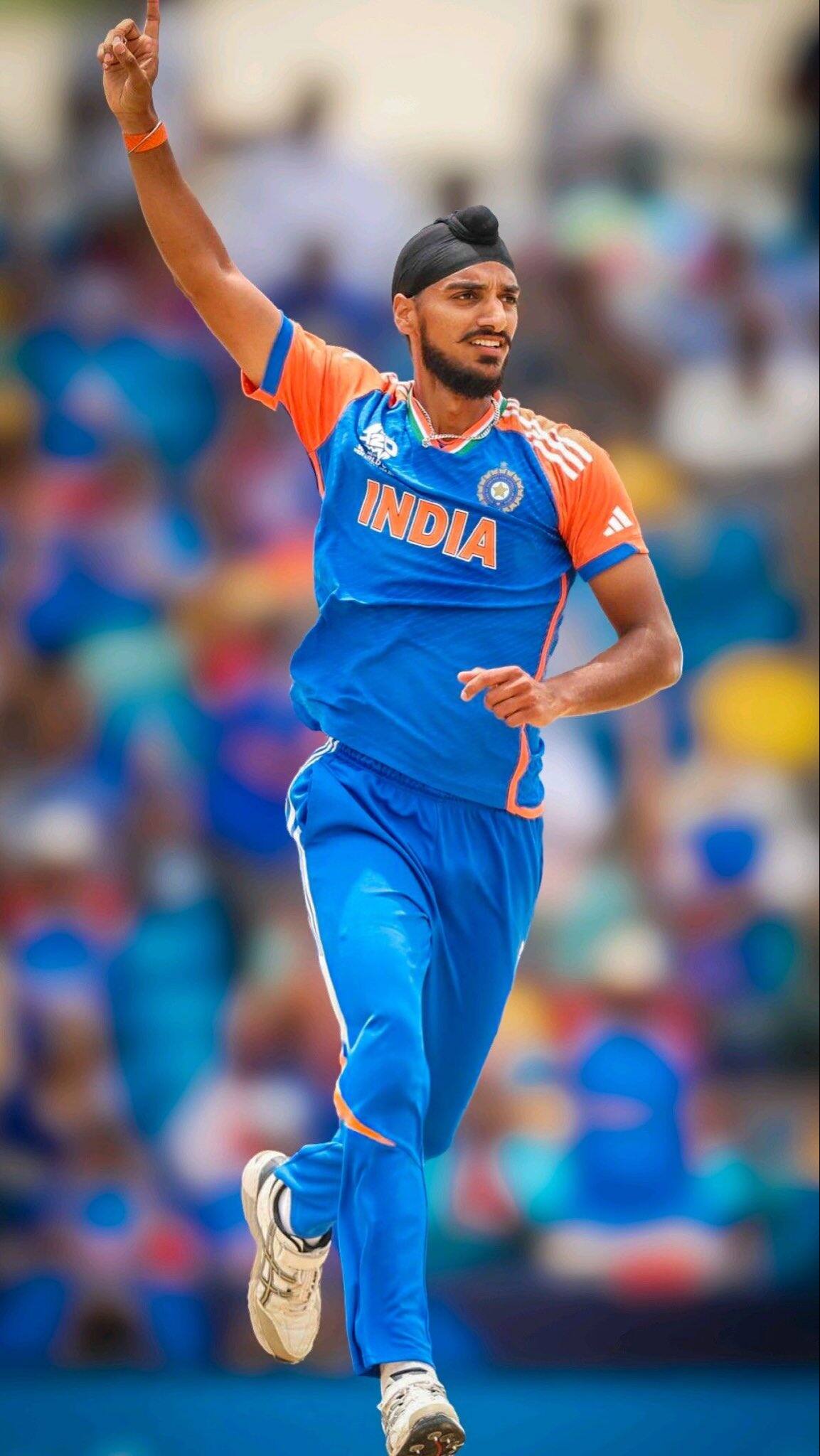
6. Death-Overs Execution Could Decide Selection
With quality hitting in Australia’s lineup, India may prioritize death-overs specialists, making Arshdeep’s yorker control and experience a potential selection edge.
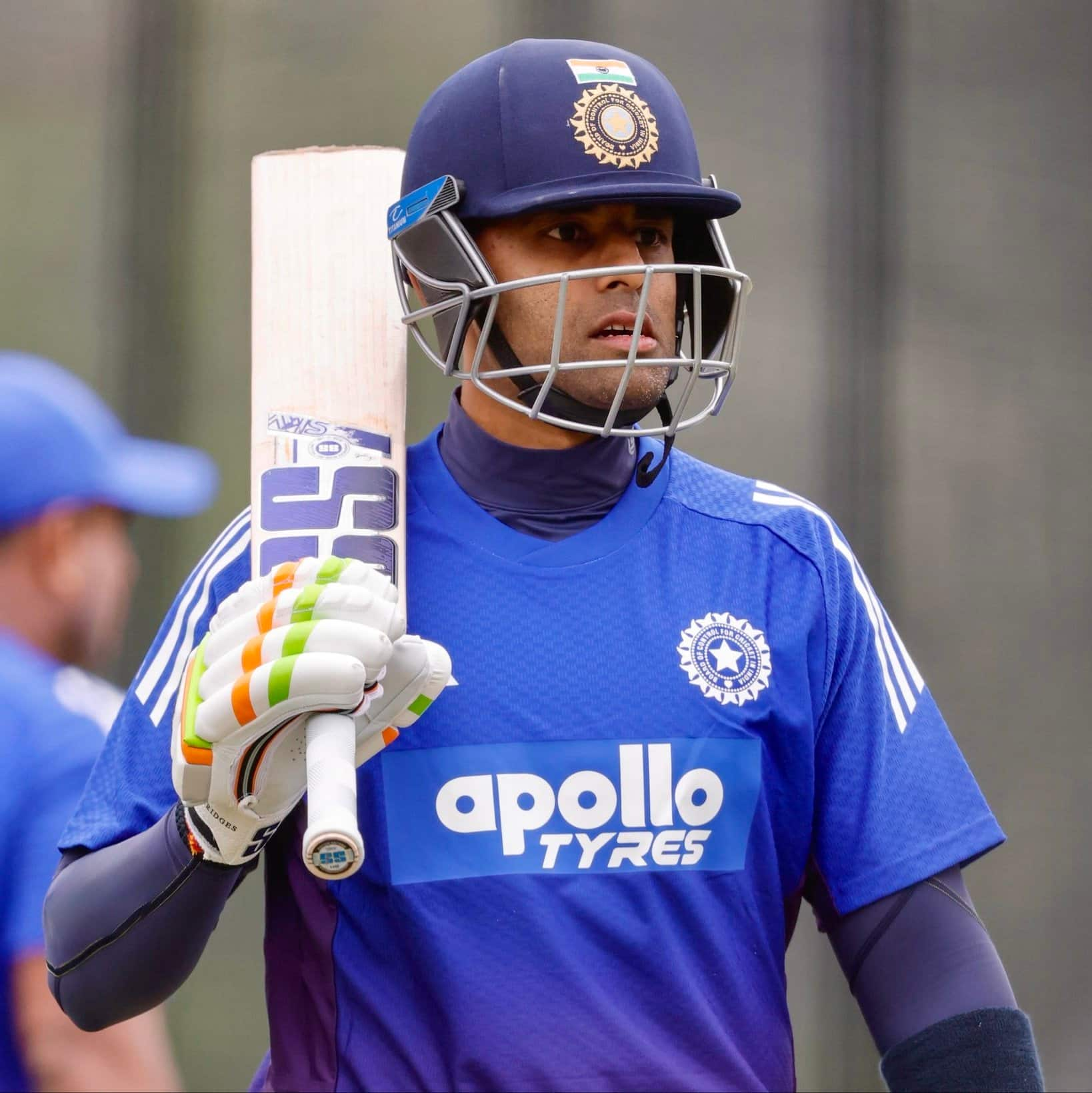
7. Bumrah’s Role Set, Supporting Cast Key
Jasprit Bumrah remains an automatic pick, but the rotating second-pacer spot between Harshit Rana and Arshdeep Singh becomes the defining tactical decision.
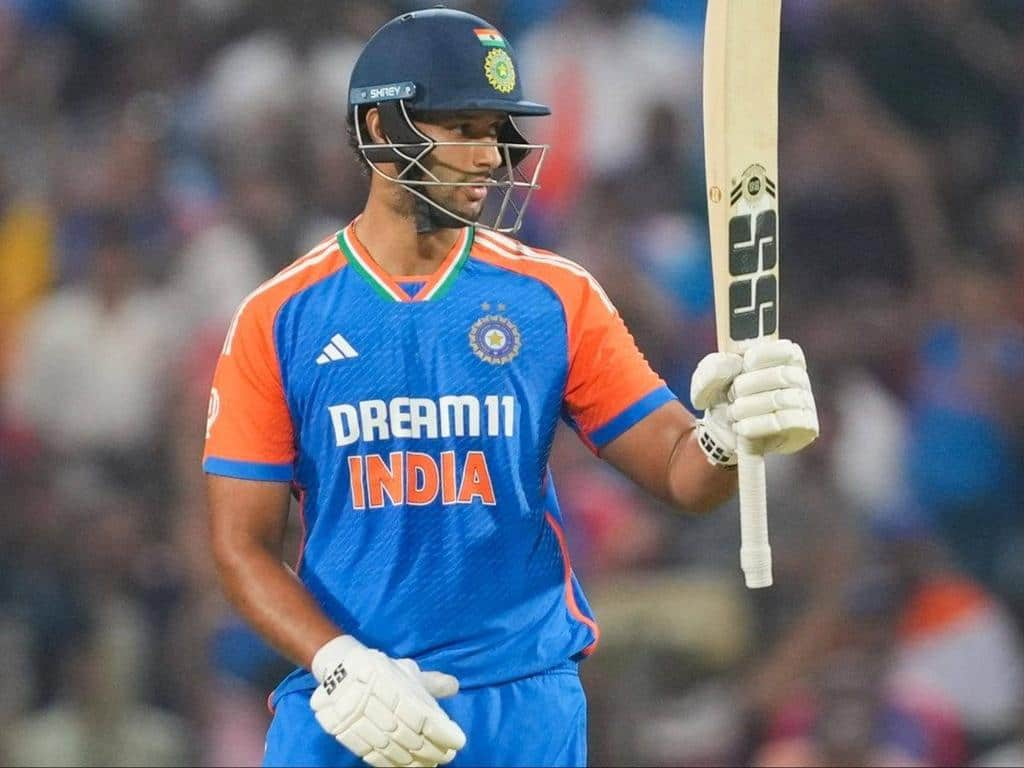
8. Strong Top Order Eases Tactical Choices
Shubman Gill and Suryakumar Yadav finding form gives India batting stability, allowing flexibility to experiment with bowling combinations without weakening lineup strength.
9. Shivam Dube Adds Seam Depth and Balance
Shivam Dube’s ability to contribute medium-pace overs provides tactical cushion, enabling India to field varied bowling options based on match-ups and pitch behaviour.
10. Match-Ups vs Australia’s Power Hitters Crucial
Facing aggressive strikers like Travis Head, Mitchell Marsh and Tim David demands wicket-taking variety, boosting the case for left-arm pace and swing upfront and at the death.
1. Arshdeep Singh’s Selection Under Spotlight
2. Harshit Rana’s Form Intensifies Competition
3. Gambhir’s Bold Selection Model Continues
4. Spin-Heavy Call from Canberra Under Scrutiny
5. MCG Conditions Likely to Favor Pacers
6. Death-Overs Execution Could Decide Selection
7. Bumrah’s Role Set, Supporting Cast Key
8. Strong Top Order Eases Tactical Choices

9. Shivam Dube Adds Seam Depth and Balance