


From Mount Etna To Mayon: Top 10 Most Active Volcanoes In The World
Discover the world’s 10 most active volcanoes—from Mount Etna to Mount Mayon—that scientists believe could erupt sooner than expected. This list highlights the most dangerous volcanic hotspots currently under close monitoring.
Volcanoes are among nature’s most powerful and unpredictable forces. Even though many of them lie quiet for years, they are far from dormant. Around the world, several volcanoes remain active, continuously simmering beneath the Earth’s surface and capable of erupting at any moment. These fiery giants have shaped landscapes, destroyed cities, and continue to pose significant risks to nearby populations.
Here are 10 active volcanoes that scientists keep a close watch on—because they are very much alive and capable of erupting again.
Mount Vesuvius, Italy
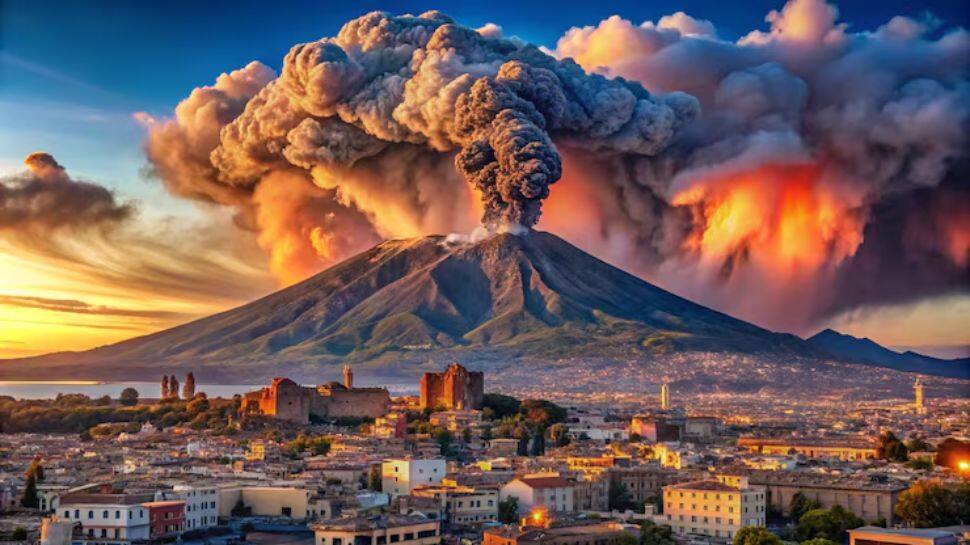
Mount Vesuvius is infamous for its catastrophic eruption in 79 AD, which buried the cities of Pompeii and Herculaneum under ash and volcanic debris. Today, it stands as one of the world’s most dangerous volcanoes due to its location near a densely populated region around Naples. Although currently quiet, it remains highly active and closely monitored.
Ethiopia Volcano, Hayli Gubbi
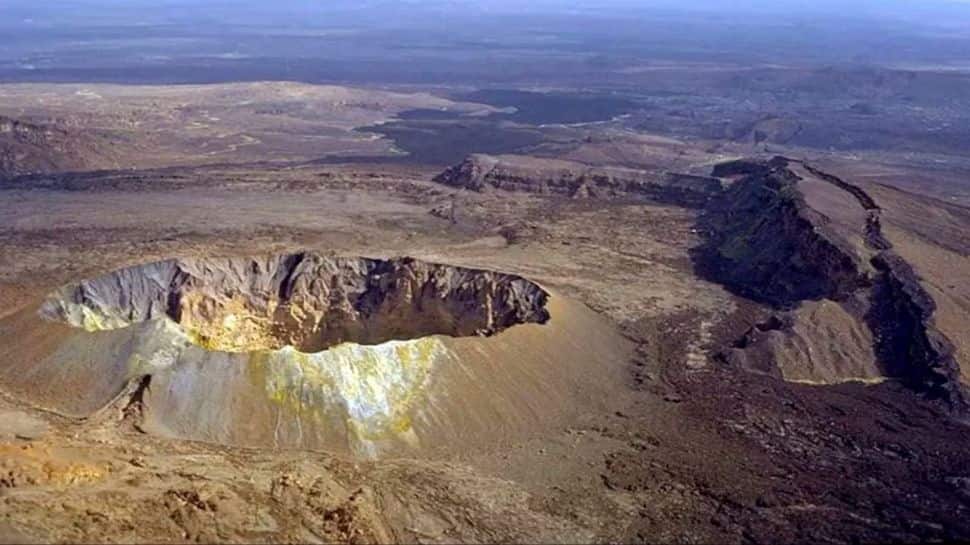
The Hayli Gubbi volcano in Ethiopia’s Afar Region erupted on 23 November 2025, marking its first known eruption in nearly 12,000 years. Although the eruption did not produce lava or magma flows, it was classified as Sub-Plinian due to its explosive nature. The volcano released massive amounts of ash, sulfur dioxide (SO₂), and fine glass shards, sending a towering ash cloud up to 45,000 feet into the atmosphere. Hayli Gubbi is a shield volcano, and its last recorded activity dates back to approximately 10,000–12,000 years ago, making this sudden eruption highly significant for scientists.
The ash plume generated by the eruption travelled across several regions due to strong atmospheric winds. It drifted from Yemen to Oman, spread over the Arabian Sea, and later reached parts of western India. With such widespread impact, the eruption has become a major subject of scientific observation, drawing global attention to the long-dormant volcano and its unexpected reactivation.
Mount Etna, Italy
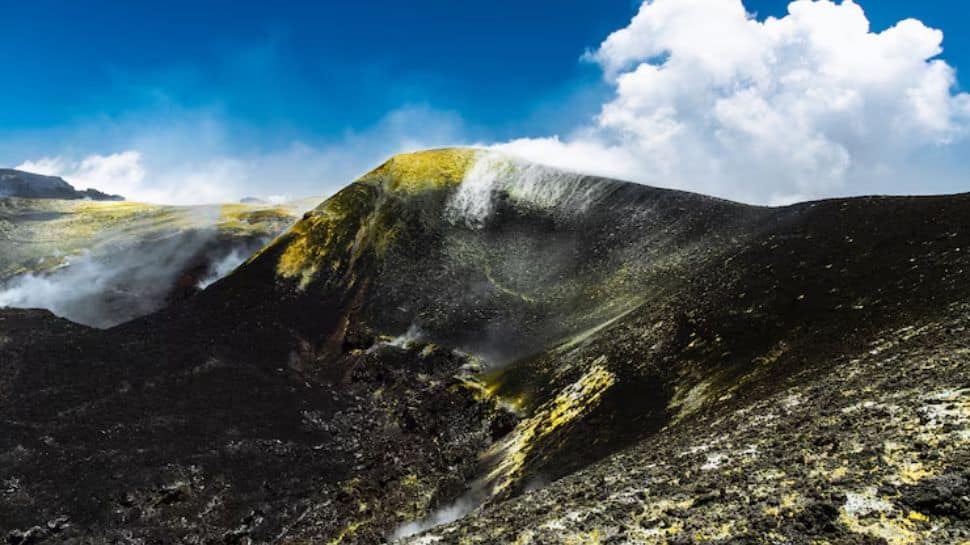
Located in Sicily, Mount Etna is Europe’s tallest and most active volcano. It frequently releases lava and ash, with numerous recorded eruptions throughout history. Its activity sometimes disrupts air travel and poses risks to nearby communities, making it one of the most studied volcanoes in the world.
Mount Merapi, Indonesia
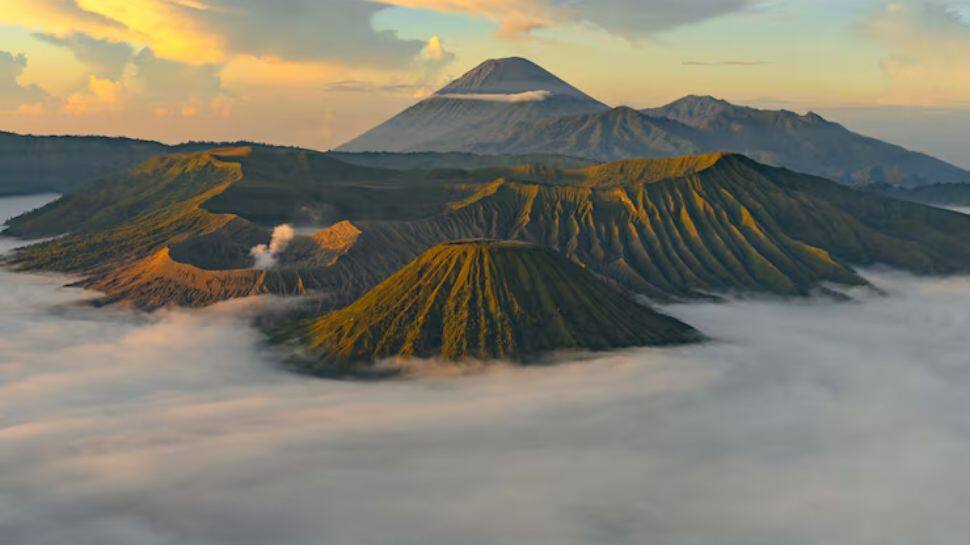
Known as the “Mountain of Fire,” Mount Merapi is one of Indonesia’s most active and dangerous volcanoes. It erupts regularly, producing deadly pyroclastic flows—fast-moving clouds of hot gas and volcanic material that can devastate nearby villages. Its unpredictable nature makes it especially hazardous.
Mount Nyiragongo, Democratic Republic of Congo
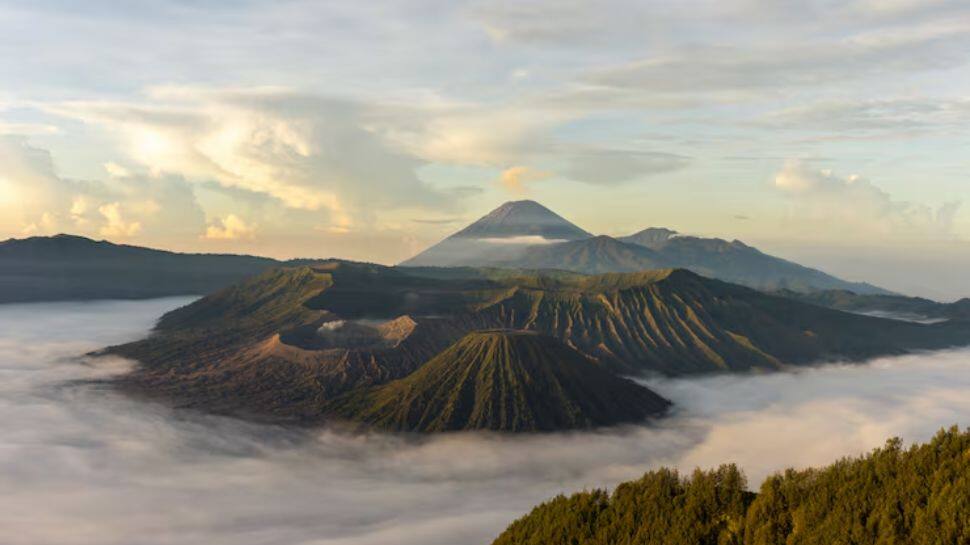
Mount Nyiragongo is feared for its unusually fast-moving lava, capable of racing downhill at speeds of up to 60 km/h. Overlooking the city of Goma—which has more than 2 million residents—this volcano poses a major threat. It also contains one of the world’s largest lava lakes, adding to its unpredictable behaviour.
Mount Sakurajima, Japan
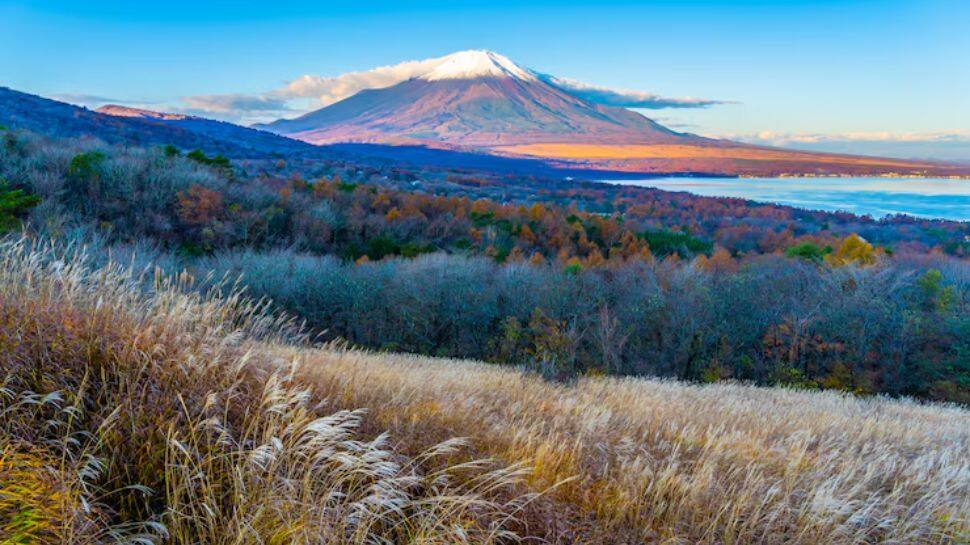
Mount Sakurajima in Japan is known for its frequent and powerful eruptions, sometimes occurring several times a day. The nearby city of Kagoshima constantly faces volcanic ash showers, and evacuation drills are a normal part of life for its residents. Its persistent activity makes it a high-risk volcano.
Mount Kilauea, Hawaii, USA
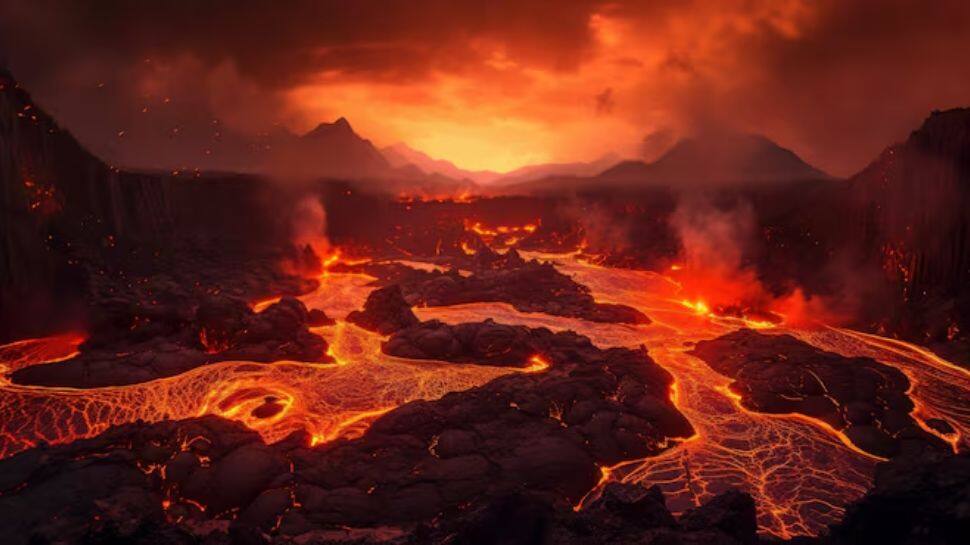
Popocatépetl, Mexico
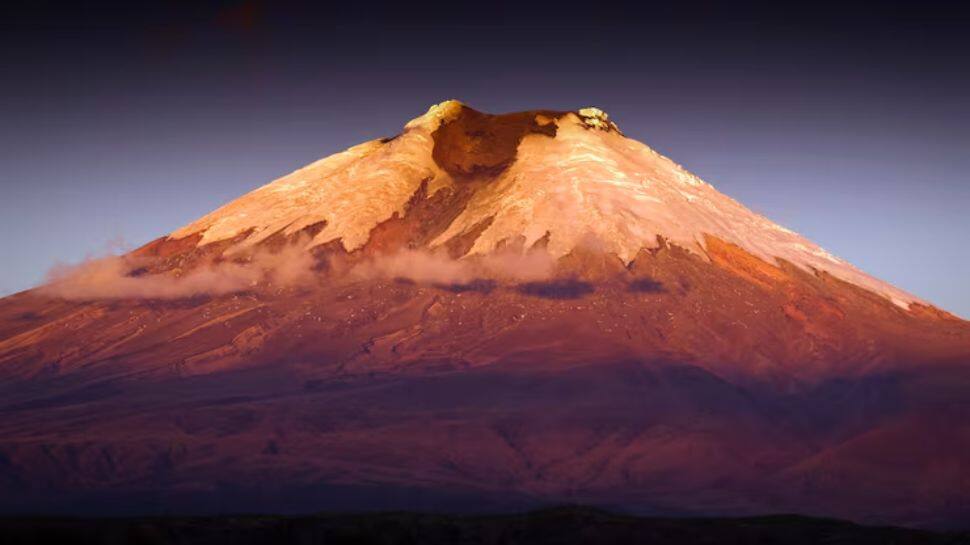
Mount Stromboli, Italy
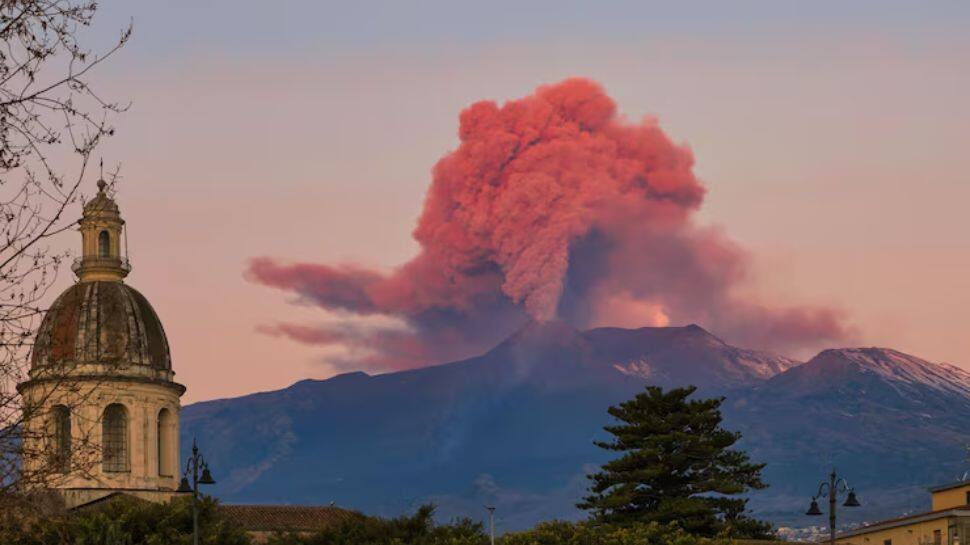
Nicknamed the “Lighthouse of the Mediterranean,” Mount Stromboli has been erupting almost continuously for the past 2,000 years. Its bright lava fountains create spectacular nighttime displays that attract tourists from around the world. Despite the beauty, the volcano remains dangerous and unpredictable.
Mount Erebus, Antarctica
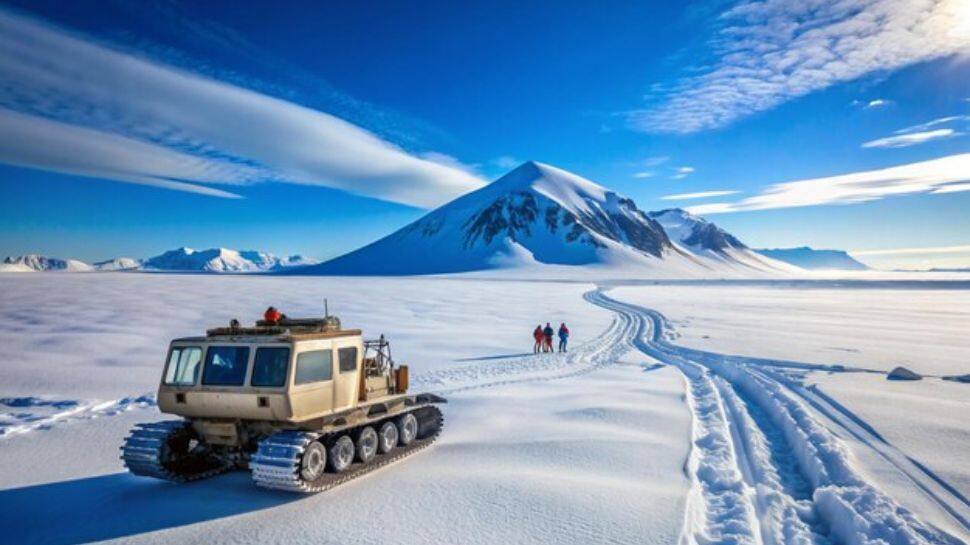
Mount Mayon, The Philippines
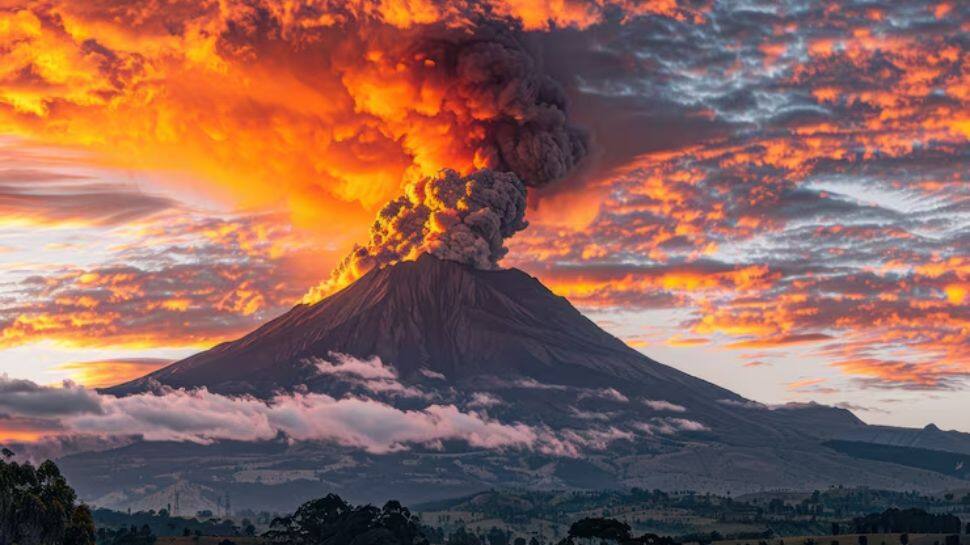
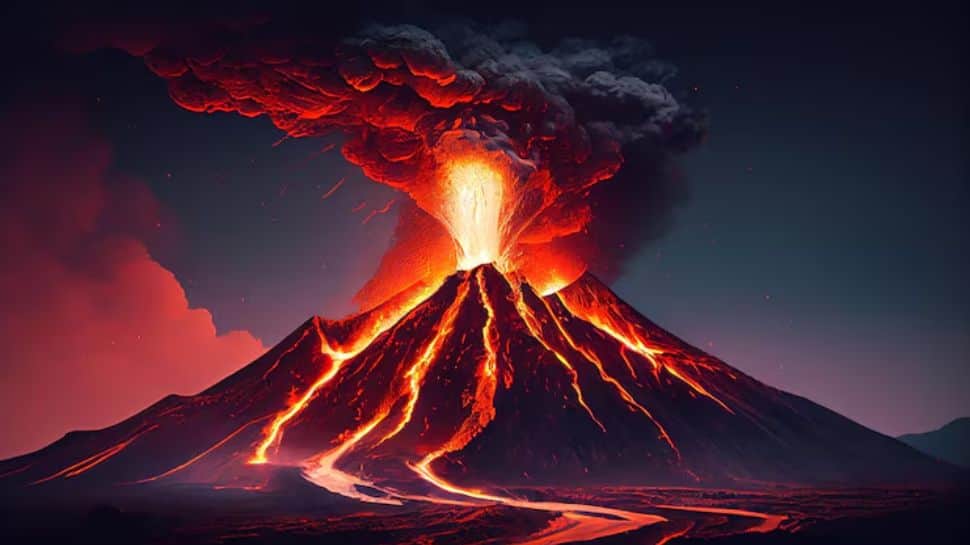
These volcanoes are powerful reminders of Earth’s raw natural energy. Though many appear calm, they remain active beneath the surface—ready to erupt again. With millions of lives, landscapes, and ecosystems at risk, scientists around the world monitor these fiery giants closely. Their unpredictable nature makes them both fascinating and fearsome, proving that the planet is still very much alive.