Meet World's Oldest Dinosaur: Unearthed In Brazil, Way Older Than Humans Evolution, Reveals Existence Of Life On Earth .... Million Years Ago
Dinosaurs first appeared around 245 million years ago, during the Triassic period, just after Earth’s biggest extinction event.
Introduction to the Oldest Dinosaurs

Dinosaurs first roamed Earth around 245 million years ago during the Triassic Period. The oldest dinosaur fossils offer a window into their early evolution, revealing how these creatures began their journey to dominate the planet. This gallery dives into the key contenders for the title of the world’s oldest dinosaur, highlighting recent discoveries and their impact on paleontology.
Nyasasaurus parringtoni - The Earliest Candidate?
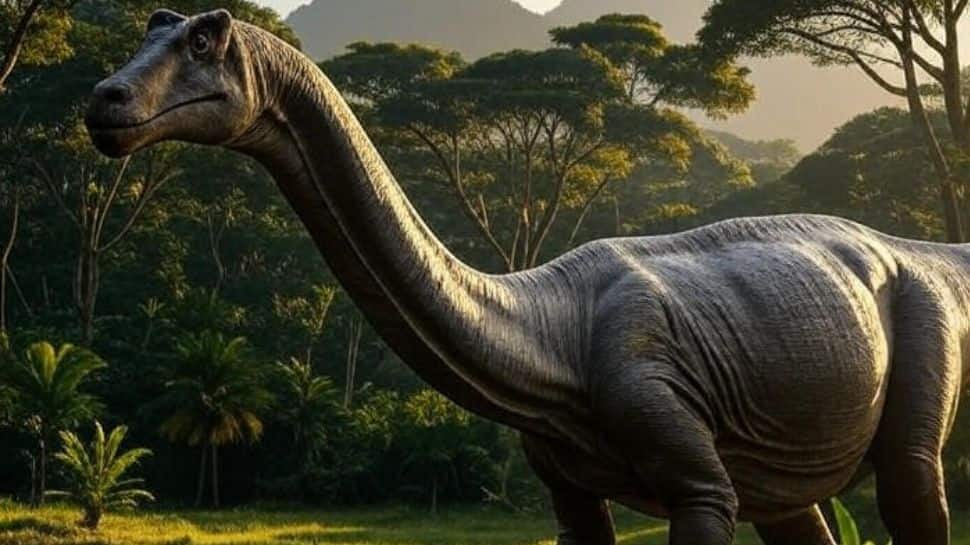
Found in Tanzania in the 1930s, Nyasasaurus parringtoni is dated to about 243 million years ago, making it a strong contender for the oldest dinosaur. Its fossils, including an arm bone and vertebrae, show dinosaur-like features, such as a deltopectoral crest. However, scientists debate whether it’s a true dinosaur or a close relative, as its traits blur the line between dinosaurs and their precursors.
Brazil’s 233-Million-Year-Old Herrerasauridae
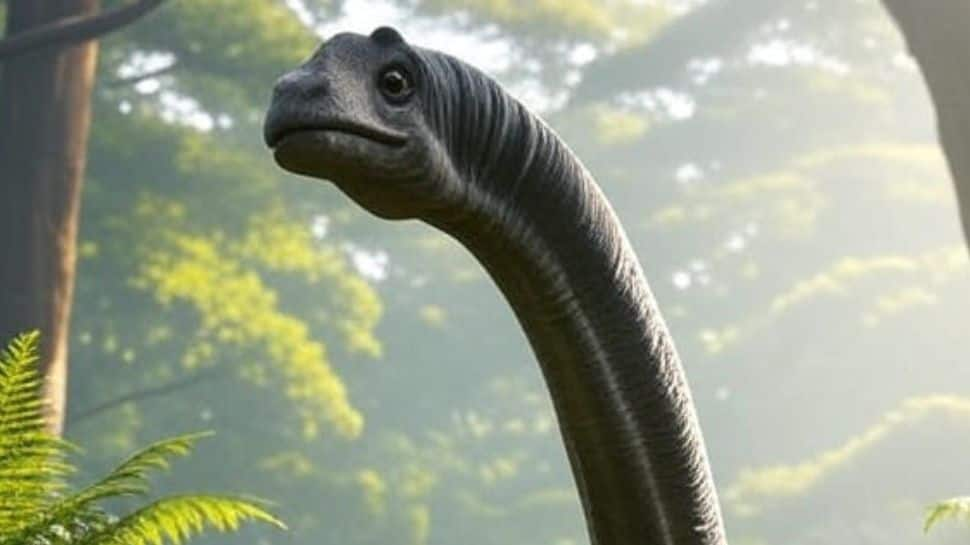
In 2024, heavy rains in Rio Grande do Sul, Brazil, exposed a nearly complete Herrerasauridae skeleton, dated to 233 million years ago. This bipedal carnivore, roughly 2.5 meters long, is one of the oldest known dinosaurs. Its discovery provides fresh insights into the early evolution of predatory dinosaurs in South America.
The Herrerasauridae Family
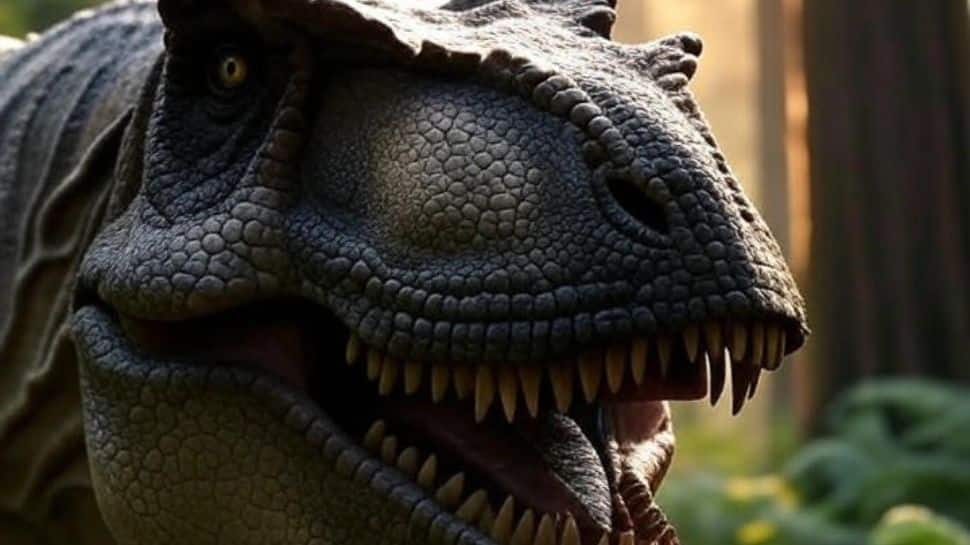
Herrerasauridae, an early dinosaur family, includes species like Herrerasaurus and Gnathovorax cabreirai. These bipedal predators, with sharp claws and serrated teeth, were apex predators in the Late Triassic. Found primarily in South America, their fossils help us understand the early diversification of dinosaurs.
Eoraptor - An Early Saurischian
Discovered in Argentina’s Ischigualasto Formation, Eoraptor lived about 231 million years ago. Once thought to be a Herrerasaurid, it’s now classified as an early sauropodomorph. This small, omnivorous dinosaur, with both herbivorous and carnivorous traits, shows how dinosaurs began to branch into different groups.
Ahvaytum bahndooiveche - North America’s Oldest
The Triassic Period Context
The oldest dinosaurs emerged in the Middle to Late Triassic, following the Permian-Triassic extinction event, which wiped out much of Earth’s life. On the supercontinent Pangaea, these early dinosaurs thrived in regions now known as South America, Africa, and North America, setting the stage for their global dominance.
Fossil Preservation and Discovery
Paleontological Significance