World’s Oldest And Most Mysterious Temple: Not In India Or China But In...Older Than Pyramids- Buried By Its Builders
World's Oldest Temple: India is home to lakhs of temples with many of them being centuries old. India is not only among the world’s oldest civilisations, but also boasts of ancient cultures still prevalent. The Mundeshwari Devi Temple in India is considered the world's oldest living Hindu temple, with its oldest parts dated by the Archaeological Survey of India (ASI) to 108 AD. However, when it comes to the oldest temples, people often think that it should be in India, but that is not the case.
Stone Pillars That Defy Logic
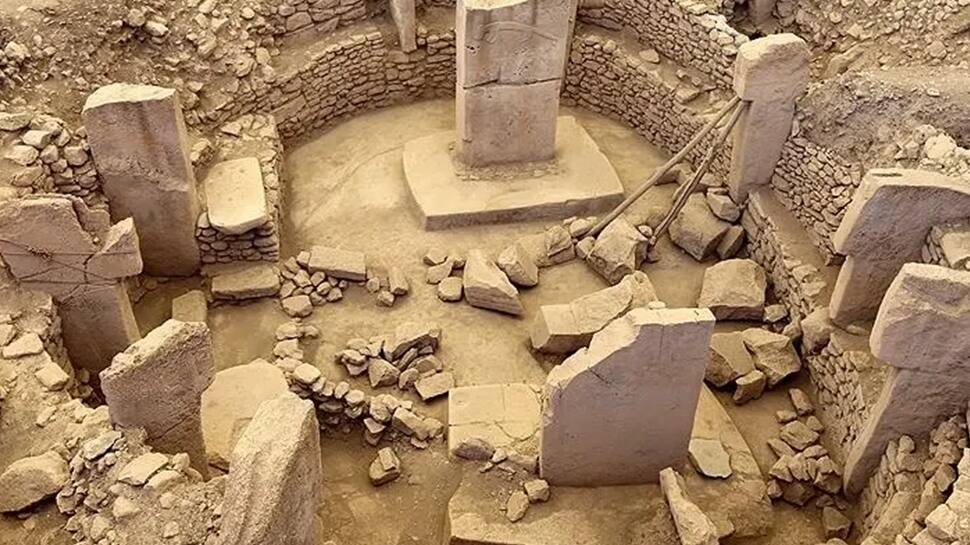
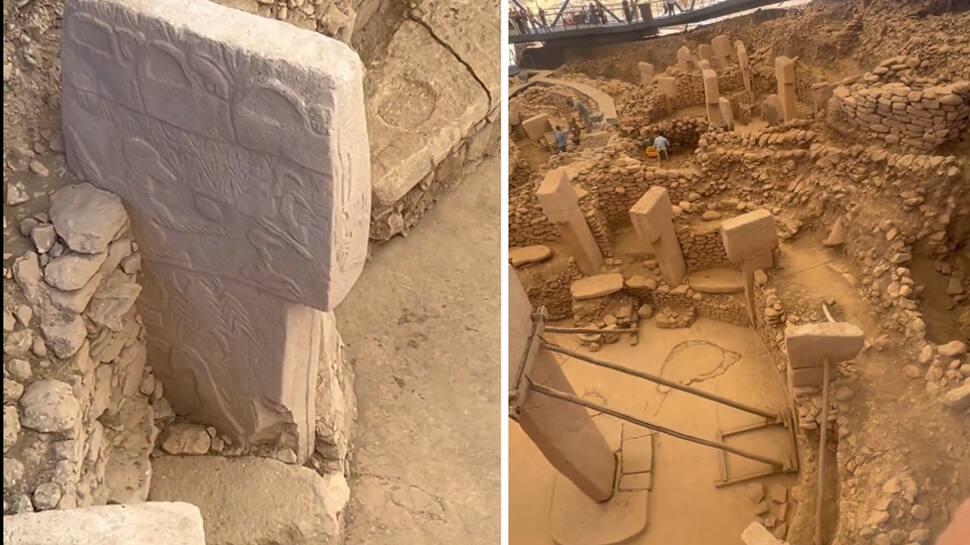
At the heart of Göbekli Tepe are massive T-shaped stone pillars, some weighing up to 20 tons. Standing in circles, these pillars were quarried, carved, and lifted into place by hunter-gatherers who supposedly lacked the tools or technology for such a feat. How did they do it? That’s a mystery still unsolved. (Image: X)
Carvings Full of Secrets
Place Without Homes
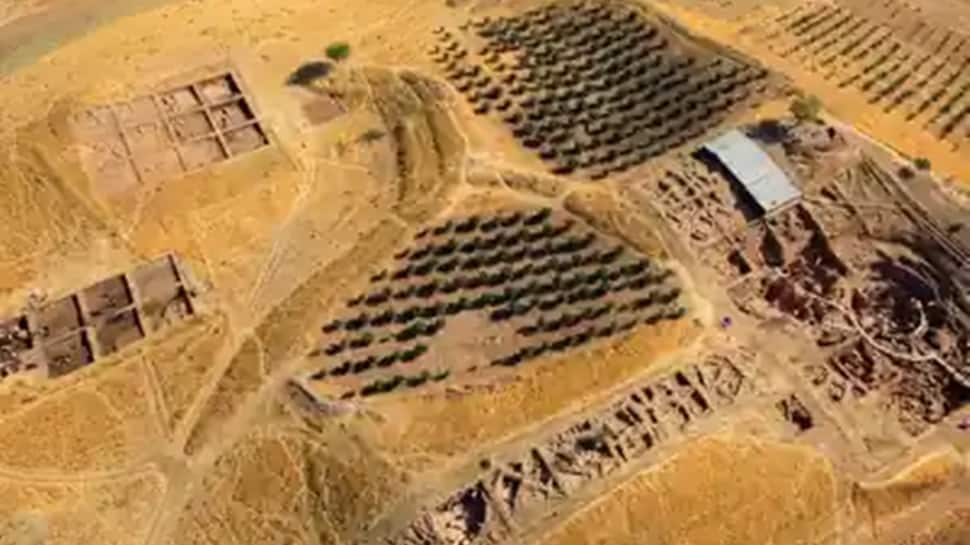
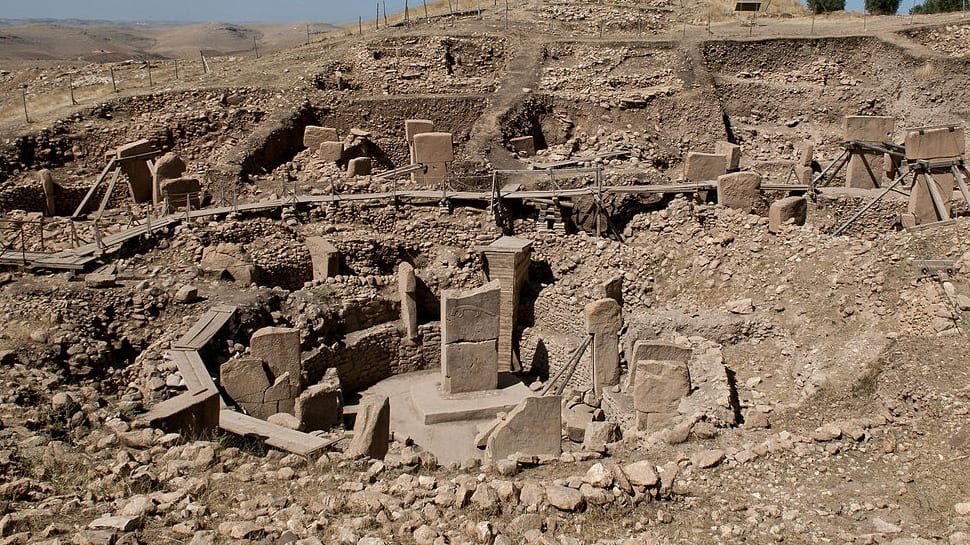
Unlike later temples, Göbekli Tepe wasn’t surrounded by villages or farmland. There’s no evidence of people living nearby. That means thousands of people may have come together just to build a site dedicated to rituals, ceremonies, or belief systems—long before permanent settlements existed. (Image: UNESCO)
Buried By Its Builders
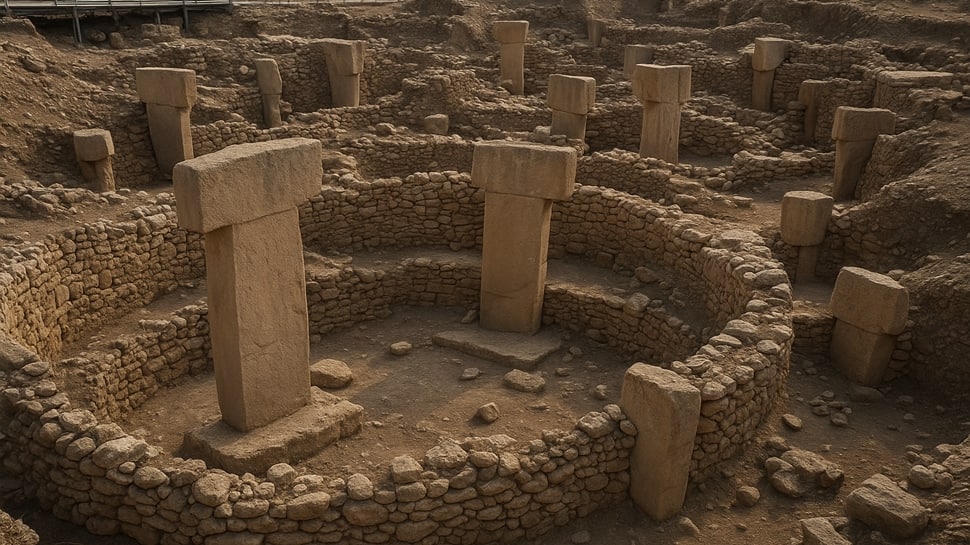
Perhaps the most baffling detail: around 8,000 BCE, Göbekli Tepe was deliberately buried by its builders. Archaeologists found tons of soil and debris packed around the pillars. Why cover up such a masterpiece? Was it to protect it, or was it part of a ritual closure? The answer remains lost in time. (Image: ChatGPT)
Changing Story Of Humanity
No Domestic Use
Popular Tourist Destination