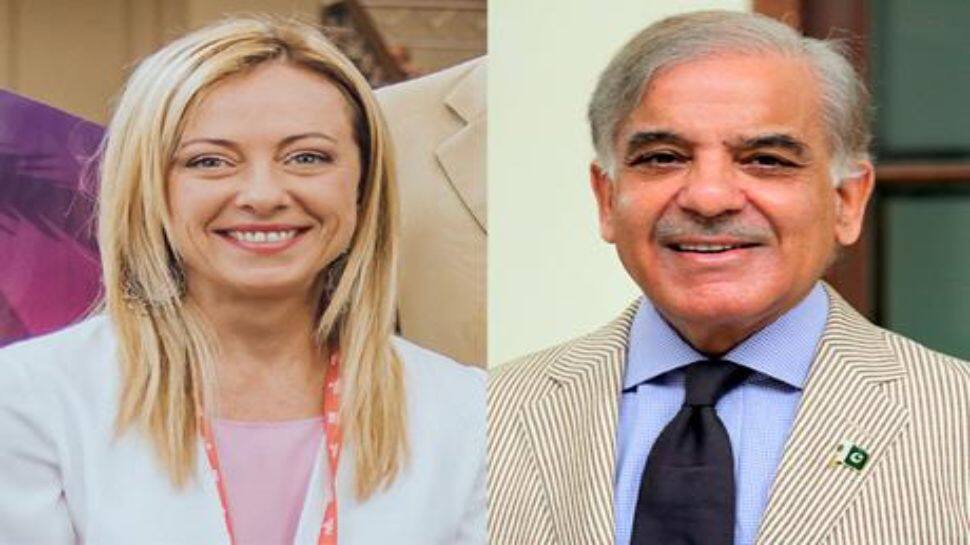
New Delhi: In a desperate attempt to revive its faltering diplomacy, Pakistan has now pinned its hopes on Italy’s Prime Minister Giorgia Meloni to mediate peace talks with India.
Speaking at a ceremony in Islamabad marking Italy’s National Day, Pakistan’s Information Minister Ataullah Tarar hailed Italy as a “trusted peace builder” and insisted that if Meloni steps in as a mediator, a lasting peace deal between India and Pakistan could finally emerge.
But the reality on the ground paints a very different picture.
Pakistan, for years, has dabbled in peace overtures, only to sabotage talks with terror attacks and inflammatory rhetoric. With its diplomatic isolation deepening and economic crisis worsening, Islamabad now appears to be grasping at straws and hoping that a European middleman can somehow bail it out.
Tarar spoke warmly about the long-standing 75-year relationship between Pakistan and Italy, expressing hopes to deepen ties in areas like trade, investment, security, education and migration. He pointed out that trade between the two nations has now surpassed the $1 billion milestone, with more Italian companies setting up shop in Pakistan.
Italy, he added, has become a popular choice for many Pakistani students, especially those attending well-known institutions such as Rome’s La Sapienza University.
But despite all these positive developments on paper, the bigger reality remains unchanged – Pakistan’s ongoing failure to take serious action against terror groups operating within its borders continues to cast a long shadow over any progress.
India’s demands for a terror-free environment have been repeatedly ignored by Islamabad, making any peace talk attempts appear hollow.
Pakistan’s appeal to Italy also highlights its growing diplomatic isolation from traditional allies. While it courts Europe, its main supporters have quietly distanced themselves due to its involvement in cross-border terrorism.
As Pakistan looks west for a peace solution, real peace can only come when it stops exporting terror and confronts its own militancy. Any hopes, until then, pinned on Italy’s mediation seem more like a political stunt than a serious effort.