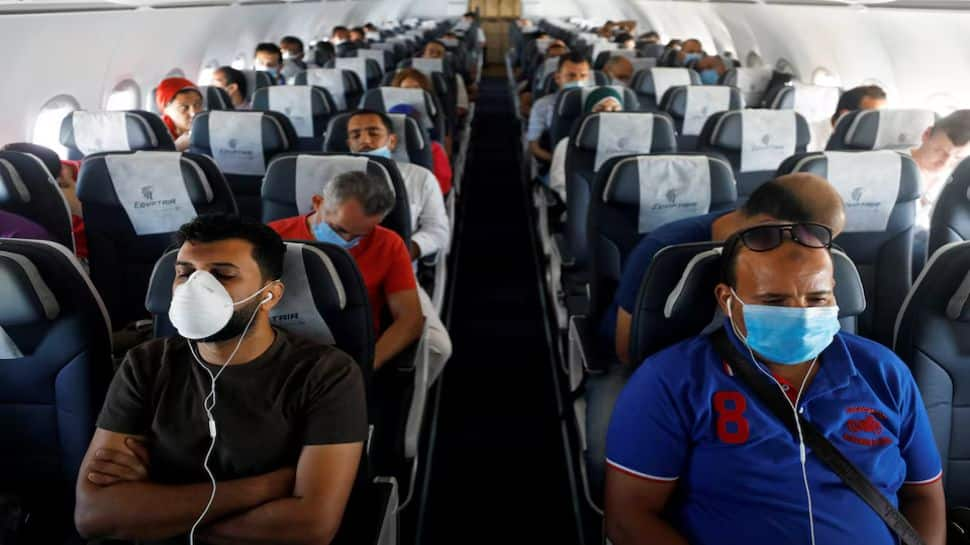
New Delhi: Most people board a flight believing it is a smooth trip above the clouds. The steps are the same every time. Bags go in. Seat claimed. Belt pulled tight. Engines steady. Regular travellers almost drift into a peaceful zone. The plane rises, the mind loosens and the journey seems easy. But inside the body, especially inside the heart, the experience is far more intense than most people ever imagine.
Dr Dmitry Yaranov, a cardiologist known online as @heart_transplant_doc, has been trying to make people aware of this hidden strain. In a detailed video, he explained that the peaceful appearance of a cabin hides a series of physical changes that demand continuous effort from the cardiovascular system.
He put it, “Most people think flying is only sitting in a chair in the sky. But your body, especially your heart, is doing real work up there.”
What Happens To The Heart Mid-Air
The doctor broke down the process step by step, describing the environment passengers enter the moment the aircraft’s doors shut. The cabin has lower pressure and lower oxygen levels than people feel on the ground. He says the body instantly begins adjusting.
On Instagram, he listed the chain of reactions:
- Cabin pressure drops; and as a result, oxygen levels fall.
- Heart works harder to deliver the same oxygen.
- Cabin air is drier than the desert; and therefore, you lose water just by breathing.
- Blood volume goes down. So, blood gets a little thicker.
- Sitting still slows circulation, making legs heavy and swollen.
- Airway lining dries and immune system barrier weakens.
- That ‘jet lag’ feeling? Not just time zones. It is physiology.
His explanation reveals how the body shifts into a mild stress mode throughout the flight. Passengers feel comfortable, but the heart must pump with more strength because of reduced oxygen.
The extremely dry cabin air pulls moisture out of the body with each breath, leaving blood slightly thicker. When combined with long periods of immobility, this slows down circulation in the legs and allows fluid to pool.
Understanding Each Change Inside The Cabin
Lower oxygen at altitude: Even though cabins are pressurised, they still mimic an altitude of around 6,000-8,000 feet. According to Dr. Yaranov, blood oxygen levels dip slightly at this range, and the heart increases its output to deliver enough oxygen to tissues. As a result, heart rate rises, circulation speeds up and the body has to work harder.
Dry air and dehydration: Cabin humidity levels fall far below what travellers experience on the ground. This dry environment pulls water from the body constantly, thickening blood and putting an extra load on circulation.
Limited movement and heavy legs: Remaining seated for long stretches, particularly on long-haul flights, slows blood flow through the legs. The muscles do not contract enough to pump blood upward, which leads to swelling and increases the risk of deep vein thrombosis (DVT) or clots that may travel to the lungs or heart.
Travel stress and disrupted routine: Even minor travel stress, changes in sleep and irregular eating patterns can push heart rate and blood pressure higher. Each factor adds weight to the cardiovascular system, which is already adapting to the cabin environment.
Who Should Be Extra Careful While Flying
Healthy travellers generally manage these changes without problems. Some groups, however, must pay closer attention.
People who recently had a heart attack or heart surgery, those with unstable angina, heart failure, valve disorders, arrhythmias or pulmonary hypertension and those who remain seated for long flights have additional risks.
Even when symptoms are not visible, the body is still handling multiple stressors at once.
How One Can Protect His Heart While Flying
In addition to explaining the risk, the cardiologist also shared the steps he personally follows whenever he boards a plane:
He suggests people to hydrate before boarding (start ahead, not behind, skip salt and alcohol in the air (as both thicken the blood), stand /stretch every hour to keep circulation moving, use saline nasal spray before takeoff to protect immune defense and walk after landing to reset blood flow and oxygen delivery.
Simple Steps Every Traveller Can Take
Passengers can reduce strain on their bodies with a few simple habits, the doctor says. Drink water before boarding and keep sipping during the flight. Avoid alcohol and too much caffeine because they dry you out. Move around when you can, or do small leg and ankle stretches in your seat.
Wear compression stockings if advised, especially on long trips. Keep important medicines in your hand luggage. If you have a heart condition, inform the airline. After landing, stay mobile to help your circulation return to normal.