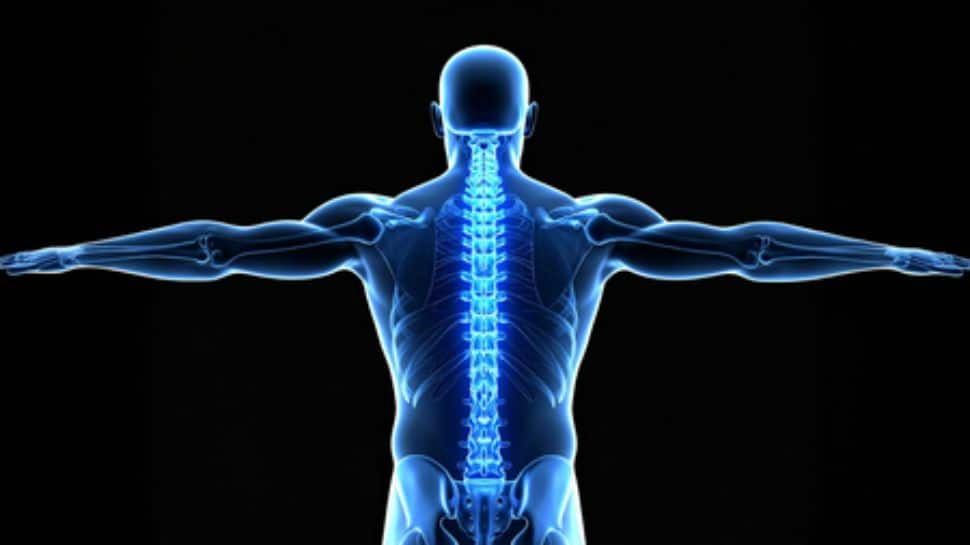
A team of researchers from Japan has successfully treated spinal fractures in animal models using stem cells derived from fatty tissue. The team from Osaka Metropolitan University used stem cells extracted from adipose — the body’s fatty tissue — to treat spine fractures in rats similar to those caused by osteoporosis in humans.
These cells offer the advantage of being easy to collect, even from elderly individuals, and cause little stress to the body, suggesting a non-invasive way of treating bone diseases.
Bone regeneration and strength were significantly improved in rats transplanted with adipose-derived stem cells (ADSCs). The genes involved in bone formation and regeneration were also activated. The study was published in Bone and Joint Research.
“This study has revealed the potential of bone differentiation spheroids using ADSCs for the development of new treatments for spinal fractures,” said Yuta Sawada, a student at the university’s Graduate School of Medicine.
“Since the cells are obtained from fat, there is little burden on the body, ensuring patient safety. This simple and effective method can treat even difficult fractures and may accelerate healing,” added Dr. Shinji Takahashi.
Osteoporosis is a disease that causes bones to become brittle and prone to fractures. Among osteoporosis-related fractures, compression fractures of the spine — known as osteoporotic vertebral fractures — are the most common type and pose a serious problem, often leading to long-term care needs and a significant decline in quality of life.
The team used stem cells, which are multipotent, meaning they can differentiate into many different cell types. They developed ADSCs into bone-differentiated spheroids — three-dimensional spherical clusters — and combined them with beta-tricalcium phosphate, a material widely used for bone reconstruction, to successfully treat rats with spinal fractures.
“This technique is expected to become a new treatment that helps extend the healthy lifespan of patients,” Takahashi said.