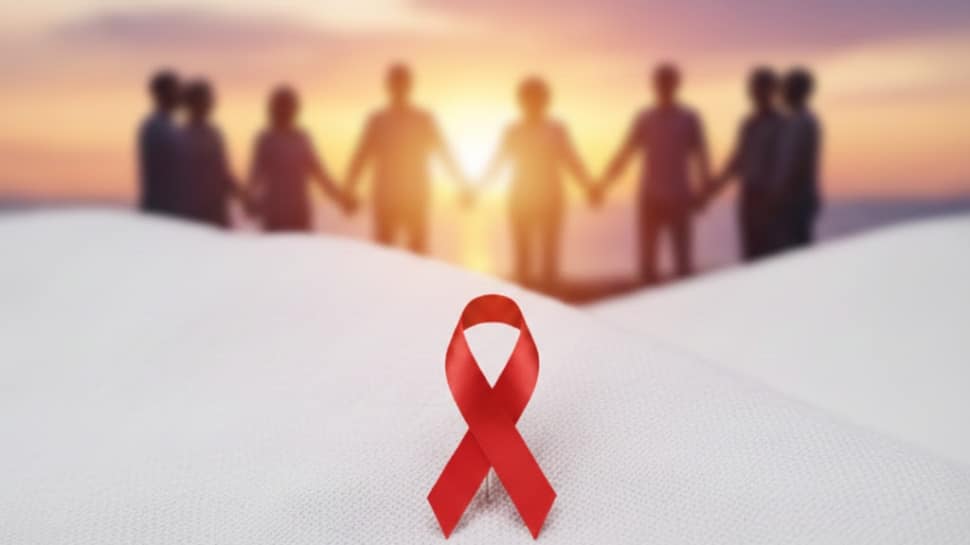
World AIDS Day: World Health Organization (WHO) established World AIDS Day in 1988 as a global health observance to raise awareness about AIDS (caused by HIV), support people living with HIV, and remember those who have died from AIDS-related illnesses.
Since then, December 1 has become a key date across the world — and in India too for campaigns focused on awareness, prevention, testing, treatment access and fighting stigma.
In India, the journey against HIV/AIDS began with its first diagnosed case in 1986. Encouraged by the global movement, India too embraced the global World AIDS Day observance from 1988 onwards, aligning national efforts with the worldwide campaign.
In 2024, an estimated 40.8 million people globally were living with HIV, and around 630,000 people died from AIDS-related causes.
(Also Read: Thrombophilia In Pregnancy: How To Manage Blood Clot Risks For A Healthy Future)
Awareness
On World AIDS Day, government agencies, health organisations, NGOs and civil-society groups in India focus on spreading accurate information about HIV — how it spreads, how it does not spread, and how it can be prevented.
The day also serves as a reminder: though medicines have improved and many people live normal lives with HIV, the threat still exists. Continued awareness and testing are important.
From First Case to National Response
After the first HIV/AIDS case in 1986, India gradually built a national strategy to fight the disease. The National AIDS Control Organisation (NACO) was later established in 1992 under the government’s health ministry to coordinate prevention, control and treatment efforts nationwide.
On December 1 each year, various activities take place: awareness drives, public education campaigns, free HIV testing camps, distribution of educational materials, and advocacy for equal treatment and support for people with HIV. Governments and NGOs — sometimes in collaboration with global agencies — also highlight progress made and gaps that remain.
Why the Day Still Matters
Though HIV/AIDS is more manageable today than in the early years, the threat is not over. Continued awareness, access to testing and treatment, and social acceptance are vital. World AIDS Day reminds us that prevention, care and compassion must go on — until HIV is no longer a public-health threat.
For India, with its large and diverse population, the government suggests that sustained efforts on World AIDS Day are essential to ensure everyone receives correct information, care and dignity.