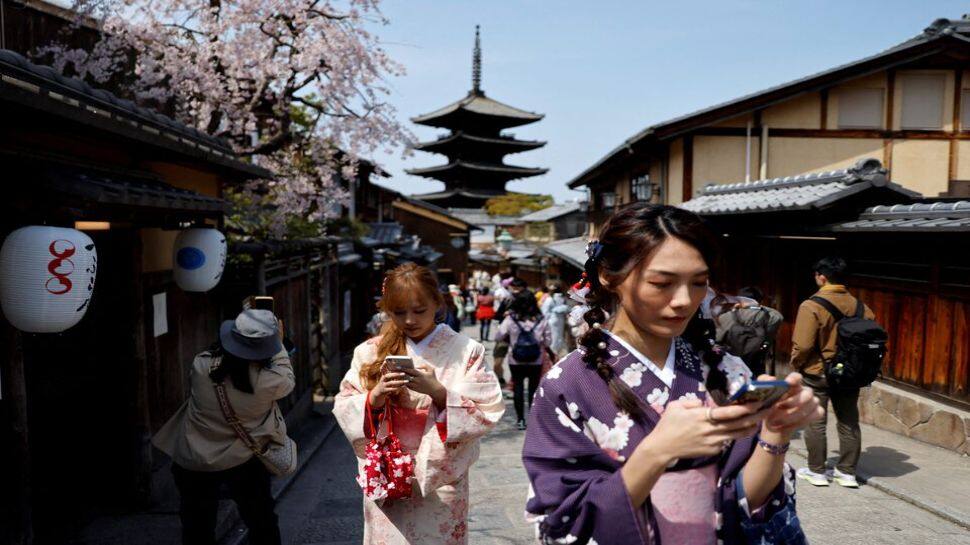
Tokyo: Japan stands apart as a land where long life is not an accident, but a way of living. The average Japanese today lives up to 84.8 years, nearly 15 years longer than the average Indian, whose life expectancy hovers around 70.4, according to the World Population Review. The difference cannot be explained by modern hospitals or advanced medicines alone. It lies in how the Japanese live eat, move, rest and nurture balance every single day.
Water Over Oil
A revolution brews inside the Japanese kitchen. Here, the rhythm of cooking flows with water, not oil. Meals are steamed, simmered or poached, never drowned in frying pans or deep oil vats. These gentle methods lock in vitamins like C and B, preserve natural flavours and prevent the creation of toxins that inflame the body.
When little or no oil is used, the food remains light and hydrating. Digestion becomes easier, and the heart beats a little stronger. Each meal, though humble, feeds longevity itself.
The Power Of The Sea
Japan’s diet breathes the ocean. Fresh fish, seaweed, tofu, rice and fermented foods dominate their plates. Together, they deliver a steady supply of omega-3 fatty acids and antioxidants that soothe the heart and lower inflammation.
Pickled vegetables and miso enrich the gut with friendly bacteria, keeping the digestive system balanced and strong. In contrast, many Indian kitchens have shifted from whole foods to packaged, processed and oil-heavy meals. The shift has changed not just taste, but the very rhythm of health itself.
The Art Of Stopping Early
There is a phrase in Japan, “hara hachi bu”, which means “eat until you are 80 percent full”. It is not a diet rule, but a philosophy. People eat slowly, listen to their bodies and stop when satisfied.
This simple habit prevents overeating and keeps weight under control. It mirrors the mindful eating once seen in Indian households decades ago, when meals were family rituals, not hurried breaks. Today, rushed eating and constant snacking have buried that wisdom.
Movement As A Way Of Life
In Japan, movement is not confined to gyms or sports clubs. It happens naturally, walking to work, cycling to markets, participating in community exercises and even bowing as a form of stretching.
Such rhythm keeps muscles strong and joints supple through the decades. A 2024 Lancet Global Health study showed that nearly half of India’s adults do not reach the physical activity levels recommended by the World Health Organisation.
That lack of motion often brings with it the weight of fatigue, illness and early aging.
The Calm Of Early Evenings
Dinner in Japan is served early and kept light. This gives the body time to digest before sleep, allowing rest to repair instead of struggle. In many Indian homes, dinner arrives late, often rich, heavy and close to bedtime, disturbing both stomach and sleep.
The body works through the night when it should be restoring itself. Small changes here can transform not just sleep but the body’s entire metabolic rhythm.
The Meaning Of Longevity
Longevity, as the Japanese show, is not a gift of luck or wealth. It grows from small, patient habits that repeat day after day. It comes from treating each meal, walk and rest as an investment in life. Every act of self-care adds a thread to the long fabric of time.
Living longer is not about chasing years. It is about building days that nourish you deeply, body, mind and spirit. The Japanese secret is simple: moderation, mindfulness and movement. Over time, these invisible acts become a shield, protecting health and extending the story of life itself.